


 Soybean Futures Slip as Traders Await Trump-Xi Trade Signals
  Oil Prices Surge as U.S.-Iran Diplomacy Hopes Fade
  Russian Envoy Dmitriev Heads to US for Ukraine Talks
  Japan Private-Sector Growth Slows as Domestic Demand Weakens
  Mexico-US Trade Talks Delayed to October as Tariff Negotiations Continue
  Asian Currencies Mixed as Dollar Holds Near Two-Month High
  Trump, Xi Focus on Trade and AI at White House Summit
  RBI Uses $10 Billion Currency Swaps to Drain Excess Rupee Liquidity
  Gold Prices Fall as Treasury Yields Rise on Fed Rate Hike Bets
  Fed Unveils Stablecoin Rules Under GENIUS Act
  Dollar Holds Near Two-Month High as Yen Approaches 160
  China’s ‘Lipstick King’ Says AI Won’t Replace Livestream Hosts
  Oil Prices Jump 3% as Houthi Attack Revives Supply Fears
  Wall Street Falls as Treasury Yields Surge, Oil Rebounds on Iran Tensions
  US, China Extend Trade Truce to Jan. 10 Ahead of Trump-Xi Summit
  U.S. Treasury Yields Surge as 30-Year Hits 22-Year High
  US Stock Futures Fall as Treasury Yields Surge Ahead of Trump-Xi Summit


 Add as a preferred source on Google
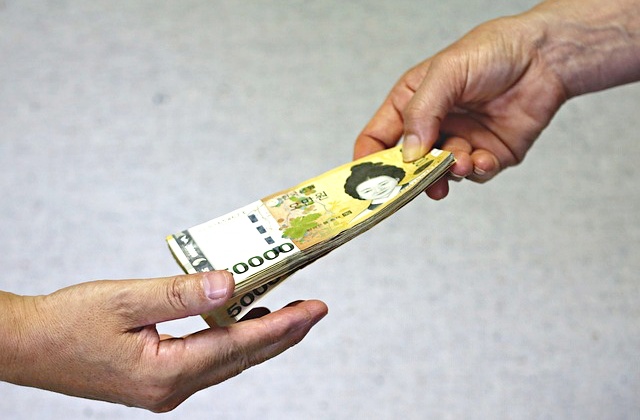
Most Asian currencies traded slightly weaker on Thursday as the U.S. dollar edged higher, supported by easing geopolitical and trade-related tensions, while the Australian dollar surged to a fresh 15-month high following robust domestic employment data. The movement in the foreign exchange market reflected a mix of shifting global risk sentiment, regional political developments, and expectations around central bank policy.
The U.S. Dollar Index, which tracks the greenback against a basket of major currencies, rose marginally after gaining 0.1% in the previous session. Dollar index futures were flat in early Asian trading, suggesting limited near-term momentum. The dollar found support after U.S. President Donald Trump softened his stance on potential tariffs linked to Greenland, stepping back from earlier threats and ruling out the use of force. Trump’s comments about the possibility of a framework deal helped calm investor nerves, reducing safe-haven demand and lending modest strength to the dollar.
Against this backdrop, Asian currencies broadly edged lower as traders reassessed regional policy outlooks. The Japanese yen remained under pressure, with the USD/JPY pair rising about 0.3% and hovering near 18-month lows. Market focus has turned to Japanese Prime Minister Sanae Takaichi’s call for a snap election and proposals for expansionary fiscal measures, including a temporary suspension of the consumption tax on food and non-alcoholic beverages. Analysts have warned that such measures could raise concerns over deficit financing, keeping the yen vulnerable despite Japan’s stated commitment to fiscal discipline and potential FX intervention.
Elsewhere, the South Korean won weakened modestly, while the Singapore dollar was largely unchanged. The Indian rupee traded flat near 91.58 per dollar, staying close to recent record lows, as persistent dollar strength and capital outflows continued to weigh. In China, the onshore yuan was little changed, reflecting ongoing efforts by authorities to manage currency stability.
In contrast, the Australian dollar outperformed its regional peers. The AUD/USD pair jumped around 0.8% after data showed employment rose by a much stronger-than-expected 65,200 jobs in December, while the unemployment rate fell to 4.1%. The upbeat labor market data reinforced expectations that the Reserve Bank of Australia could consider raising interest rates as early as February, boosting demand for the Aussie dollar in the forex market.







