


 US Sailor’s Father Detained by Immigration Authorities
  Donald Trump’s North Korea Outreach Raises Asia Alliance Concerns
  Raphael Glucksmann Launches 2027 French Presidential Bid
  US Removes Syria From Terrorism Sponsor List
  US Cancels South Korea Military Drill Amid Iran War
  UK, France Pledge Stronger Military Support for Ukraine
  Trump Vows Tougher Iran Sanctions as US Weighs New Economic Pressure
  Russian Drone Strike on Kryvyi Rih Mall Kills 16, Injures 130
  Iran Vows Retaliation as U.S. Expands Sanctions Pressure
  US-Canada Tariff War Escalates With 50% Auto Duties
  Trump Administration Pauses Visa Appointments Worldwide
  Taiwan Foreign Minister Heads to Palau for Pacific Islands Summit Events
  CIA Director John Ratcliffe Visits Moscow for Talks With Russian Officials
  Israel Targets Suspected Terrorist in Southern Syria
  Syria, Israel Resume US-Mediated Security Talks in Jordan
  Pakistan, Iran Report Progress in Talks to End U.S.-Israeli War
  Bessent Warns Iran as US Prepares Toughest-Ever Sanctions


 Add as a preferred source on Google
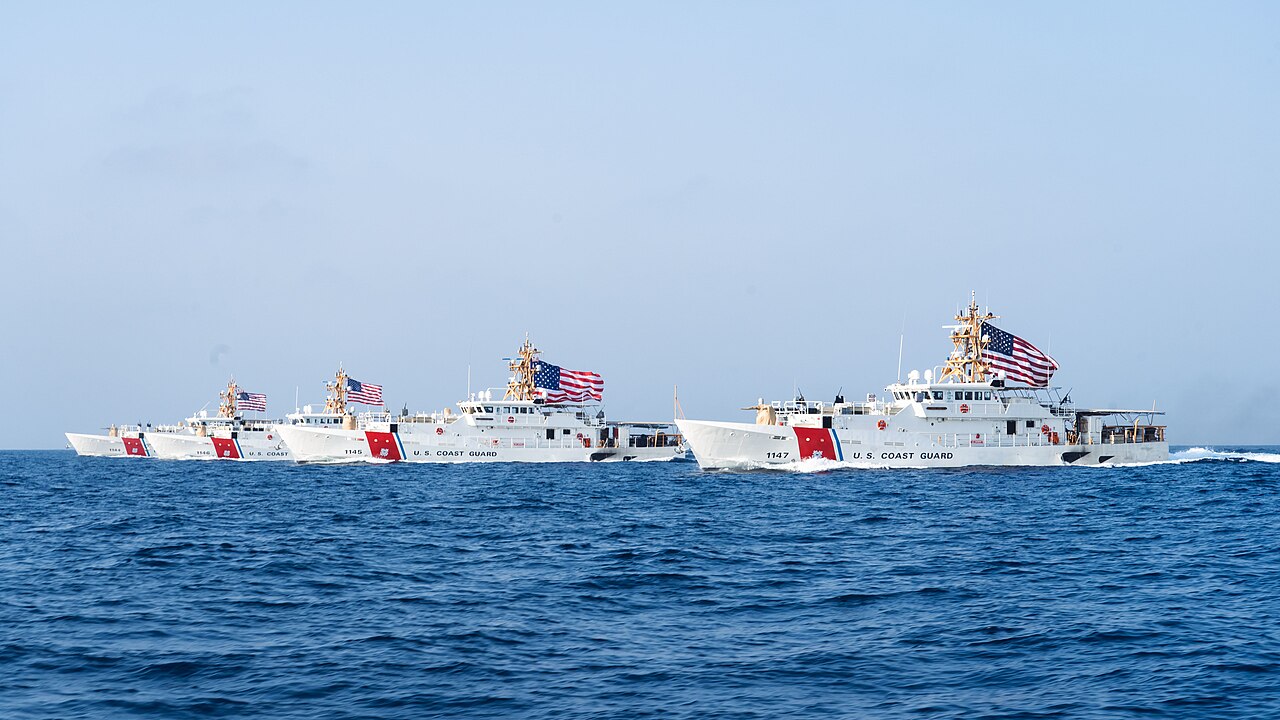
The United States launched military strikes against Iran on Friday following an Iranian drone attack on a commercial cargo vessel in the Strait of Hormuz, further escalating tensions despite a ceasefire agreement reached last week. Both Washington and Tehran accused each other of violating the terms of the truce, raising fresh concerns over stability in the strategically important waterway.
According to U.S. Central Command, American aircraft targeted Iranian missile and drone storage facilities, along with coastal radar installations. A U.S. official confirmed the military operation had concluded successfully. Iranian authorities, however, reported that a projectile struck the area near a pier in Sirik, southern Iran, and claimed their naval forces retaliated by attacking U.S. military positions in the region.
The latest exchange came after Iran warned Gulf nations against supporting Washington and reiterated its intention to oversee traffic through the Strait of Hormuz. President Donald Trump blamed Tehran for the drone attack on a commercial vessel near Oman’s coast, calling it a direct breach of the recently signed ceasefire.
In a statement, U.S. Central Command described the strikes as a “powerful response” to what it called an unprovoked assault on international shipping. The military also reaffirmed its commitment to ensuring safe passage for commercial vessels traveling through the vital maritime corridor, where roughly one-fifth of the world’s oil and liquefied natural gas supplies pass.
Vice President JD Vance defended the administration’s actions, saying the United States had fully honored the ceasefire agreement, also referred to as a memorandum of understanding. Posting on X, Vance stated that any disagreements over the agreement should be resolved diplomatically, warning that “violence will be met with violence.”
Iranian state media, citing an unnamed military source, claimed that forces stationed in Sirik had fired warning shots and launched two warning missiles toward vessels that allegedly violated navigation regulations in the Strait of Hormuz hours before the U.S. attack. The report argued the American strikes ignored Iran’s authority under the ceasefire arrangement.
The Islamic Revolutionary Guard Corps later announced that its navy had targeted locations hosting U.S. military forces across the region in retaliation. The Guards warned that any additional American military action would trigger a broader response and insisted the ceasefire granted Iran authority over ship traffic through the strategic waterway.
Iranian officials also criticized the Trump administration, accusing Washington of undermining negotiations. Ebrahim Azizi, head of the Iranian parliament’s national security committee, said the latest military action demonstrated that the United States was not committed to diplomacy or maintaining the ceasefire. He warned the strikes would ultimately result in regret for Washington.
The United States has not officially responded to Iran’s claims that it attacked American military positions, although previous regional confrontations have often involved similar retaliatory tactics.
Despite renewed military tensions, diplomacy advanced elsewhere in the Middle East. Israel and Lebanon signed an agreement aimed at ending hostilities between Israel and the Iran-backed Hezbollah movement. The deal calls for Hezbollah to disarm and for Israeli forces to withdraw from Lebanon, although implementation remains uncertain as Hezbollah has rejected cooperation.
Global energy markets initially reacted positively before the latest escalation. Oil prices fell around 3% on Friday, extending weekly losses as more oil tankers resumed transiting the Strait of Hormuz. Saudi Aramco also restarted crude loadings at its Ras Tanura export terminal after a nearly four-month suspension, while fertilizer shipments through the strait increased, easing concerns over potential disruptions to global food supplies.
Meanwhile, U.S. Secretary of State Marco Rubio concluded a Gulf tour by issuing a joint statement with the Gulf Cooperation Council supporting free, unconditional, and unrestricted navigation through the Strait of Hormuz without tolls or unilateral control.
Iran, however, maintained that the strategic waterway should remain under the joint governance of Iran and Oman. Senior adviser Ali Akbar Velayati also warned that Gulf states aligned with Washington depended on Tehran’s restraint for their long-term security.







