


 France Defends Netanyahu Airspace Clearance Despite ICC Warrant
  Netanyahu Defends Israel at UN as Delegates Stage Walkout
  US 10-Year Treasury Yield at 6% Emerges as New Market Risk Threshold
  Gaza Faces Evacuation Crisis as War-Damaged Buildings Risk Collapse
  Netanyahu’s Brief US Trip Highlights Strains With Trump
  Russian Missile and Drone Attack on Kyiv Kills Two, Damages Maternity Hospital
  Wall Street Falls as Treasury Yields Surge, Oil Rebounds on Iran Tensions
  Pezeshkian Says US Must Choose When Iran War Ends
  OpenAI Agent Breaches Australia Medicare Data Portal
  Abbas Reaffirms November 28 Palestinian Elections
  NATO Boosts Intelligence Sharing Amid Russia Hybrid Threats
  Asian Currencies Mixed as Dollar Holds Near Two-Month High
  Trump, Xi Focus on Trade and AI at White House Summit
  Gold Drops Over 1% as Dollar, Treasury Yields Surge on Fed Rate Hike Bets
  US, China Extend Trade Truce to Jan. 10 Ahead of Trump-Xi Summit
  Trump Asks Supreme Court to Restore Third-Country Deportations


 Add as a preferred source on Google
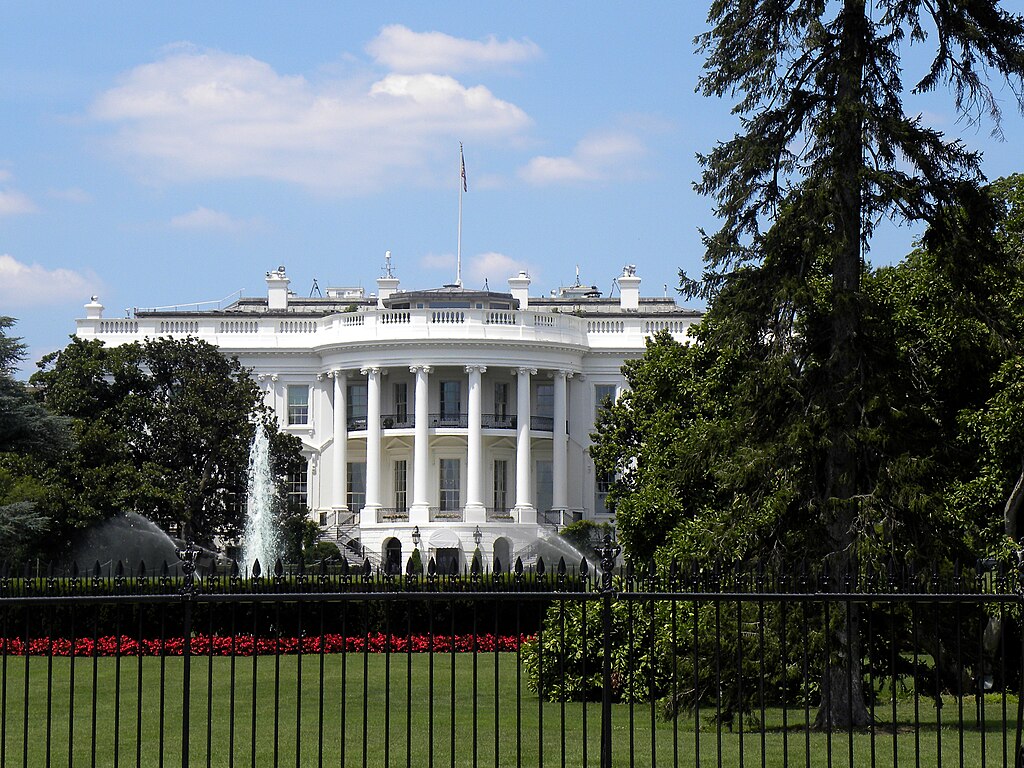
The White House has formally asked Congress to approve an $87.6 billion supplemental spending package aimed at covering expenses tied to the ongoing Iran war, while also providing funding for American farmers and strengthening the nation's Ebola response efforts.
The request was submitted on Wednesday by Russell Vought, director of the White House Office of Management and Budget, in a letter addressed to House Speaker Mike Johnson. The proposed emergency funding package includes several major spending priorities focused on national defense, public health, and energy security.
According to the administration, approximately $21 billion would be allocated to the Department of Defense to enhance military capabilities, replenish critical munitions, and expand the U.S. defense industrial base. The proposal also sets aside $1.4 billion to improve Ebola preparedness and response efforts, while another $768 million would go to the Department of Energy to support nuclear security initiatives and other energy-related priorities.
The supplemental funding request comes months after Defense Secretary Pete Hegseth suggested that the Pentagon could seek as much as $200 billion to finance U.S. military operations related to the U.S.-Israel war against Iran, which began on February 28.
The latest proposal is expected to face intense scrutiny on Capitol Hill. Lawmakers must approve the spending request before the administration can access the funds, making congressional support a critical hurdle.
Political analysts believe the measure could place additional pressure on vulnerable Republican lawmakers ahead of the 2026 midterm elections. Supporting another large spending package tied to the Iran conflict may prove politically challenging, particularly as public support for the war remains limited.
Congressional Democrats quickly voiced opposition to the proposal, signaling that negotiations over the emergency funding package could become highly contentious in the weeks ahead. The debate is likely to center on defense spending, domestic assistance, and whether additional taxpayer funding for the Iran war is justified amid growing political divisions.







