


 Lula and Flavio Bolsonaro Tied in Brazil Runoff Poll
  Trump Says U.S.-Iran Peace Deal Near After UN Talks
  US Plans Two New Military Bases in Greenland Under Arctic Deal
  Carney Condemns Belleville Synagogue Shooting That Wounded Police Officer
  Zelenskiy Warns Russia Preparing Major Attack on Ukraine
  Iran Vows ‘Crushing’ Response as US Talks Continue
  China Tightens Fentanyl Rules Ahead of Trump-Xi Summit
  Macron, Trump Discuss Ukraine-Russia Energy Strike Moratorium
  Kremlin Says No Grounds Yet for Ukraine Peace Talks
  Canada Unveils Bill to Fast-Track Major Resource Projects
  Paramount-Warner Bros $110 Billion Deal Draws Antitrust Backlash
  Trump Says ‘Freedom’ Is Coming to Cuba
  Lula Meets Mamdani in New York as Elections Approach
  Trump Board of Peace Unveils $2.45 Billion Gaza Recovery Plan
  Trump to Press Xi on Release of US Nuclear Expert Held in China
  UK, Mauritius Seek Diego Garcia Base Deal
  Vietnam, US Trade Deal Could Be Signed Soon, To Lam Says


 Add as a preferred source on Google
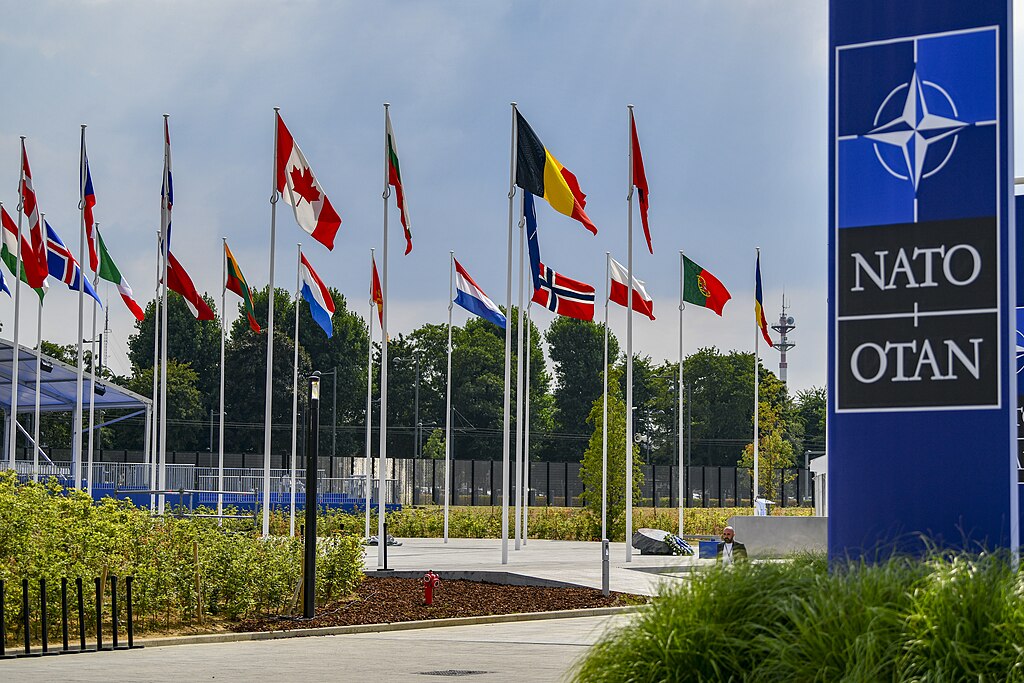
As NATO ramps up efforts to reinforce its Arctic defenses, alliance members are investing in military capabilities to counter Russia’s growing presence in the strategically important High North. The initiative comes as melting sea ice opens new Arctic shipping routes and intensifies geopolitical competition in the region.
During a large-scale military exercise in northern Norway, around 30,000 NATO troops participated in simulated combat operations designed to repel an invasion by an unnamed “enemy to the east,” a widely understood reference to Russia. The drills formed part of Arctic Sentry, a NATO initiative announced by Secretary General Mark Rutte earlier this year to strengthen security across the alliance’s northern flank.
The program was introduced as European allies sought to reassure U.S. President Donald Trump of NATO’s ability to defend the Arctic while easing tensions over his previous proposal to acquire Greenland. Although Rutte succeeded in keeping Washington engaged, military officials and defense analysts say expanding NATO’s Arctic capabilities will require years of investment.
Experts point to the need for additional icebreakers, submarines, surveillance drones, satellites, radar systems, and underwater sensors capable of operating in extreme Arctic conditions. These upgrades could cost hundreds of billions of dollars, especially as climate change alters ocean temperatures and currents, making submarine detection increasingly difficult.
Russia has significantly expanded its Arctic military infrastructure over the past decade by modernizing the world’s largest fleet of icebreakers and reopening Soviet-era military bases. The Kola Peninsula remains a major strategic concern for NATO because it hosts much of Russia’s nuclear second-strike capability, including the Northern Fleet and several nuclear-powered submarines.
NATO currently monitors Russian naval activity through the Barents Sea and the Greenland-Iceland-United Kingdom (GIUK) Gap, while Norway shares intelligence gathered near the Kola Peninsula with the United States. Defense analysts argue the alliance must further strengthen intelligence, surveillance, and reconnaissance capabilities to maintain an effective deterrent.
The Arctic’s harsh climate presents additional challenges. Winter temperatures in northern Norway can plunge below -45°C, making standard military equipment unreliable. Since much of the region is covered by ocean, maintaining a persistent security presence requires expensive naval assets, particularly ice-capable vessels.
The United States currently operates only two active icebreakers, compared with Russia’s fleet of 42, many of which are nuclear-powered. To narrow that gap, the U.S. and Finland are jointly building up to six new icebreakers, with the first expected to enter service next year.
Several NATO members are also increasing defense spending. Norway is acquiring new frigates and submarines, while Nordic countries have integrated portions of their air forces to create a larger combined fleet. Canada has unveiled a C$35 billion Arctic defense strategy focused on military infrastructure, airfields, and ice-capable ships, while Britain is doubling the number of Royal Marines permanently stationed in Norway. NATO has also activated a new 600-soldier force based in Finland and Sweden’s Lapland region.
Despite these initiatives, former U.S. defense official Iris Ferguson noted that maintaining focus on Arctic security remains difficult while Russia’s war in Ukraine continues to dominate defense priorities.
Concerns have also grown over the future of U.S. military commitments after the Trump administration announced reductions to certain NATO crisis-response assets in Europe, including fighter aircraft, drones, and naval forces. The Pentagon has not clarified whether additional troop reviews could affect Arctic operations.
Seeking to keep Washington engaged, Norwegian leaders continue to emphasize the Arctic’s strategic importance for U.S. national security. Prime Minister Jonas Gahr Stoere recently highlighted Russia’s massive nuclear arsenal near Norway’s border, arguing that its primary target remains the United States rather than Norway, underscoring the shared security interests that continue to bind NATO allies in the Arctic.







