


 Trump Signs Executive Order to Boost AI Research in Childhood Cancer
  Cogent Biosciences Soars 120% on Breakthrough Phase 3 Results for Bezuclastinib in GIST Treatment
  Trump Administration to Launch Autism Initiatives Targeting Acetaminophen Use and New Treatment Options
  NASA Artemis II: First Crewed Moon Mission Since Apollo Takes Four Astronauts on 10-Day Lunar Journey
  Senate Sets December 8 Vote on Trump’s NASA Nominee Jared Isaacman
  SpaceX Prioritizes Moon Mission Before Mars as Starship Development Accelerates
  Eli Lilly’s Inluriyo Gains FDA Approval for Advanced Breast Cancer Treatment
  Neuralink Expands Brain Implant Trials with 12 Global Patients
  FDA Adds Fatal Risk Warning to J&J and Legend Biotech’s Carvykti Cancer Therapy
  Blue Origin New Glenn Explosion Could Delay Launch Operations Until 2028
  Blue Origin’s New Glenn Achieves Breakthrough Success With First NASA Mission
  Trump and Merck KGaA Partner to Slash IVF Drug Costs and Expand Fertility Coverage


 Add as a preferred source on Google
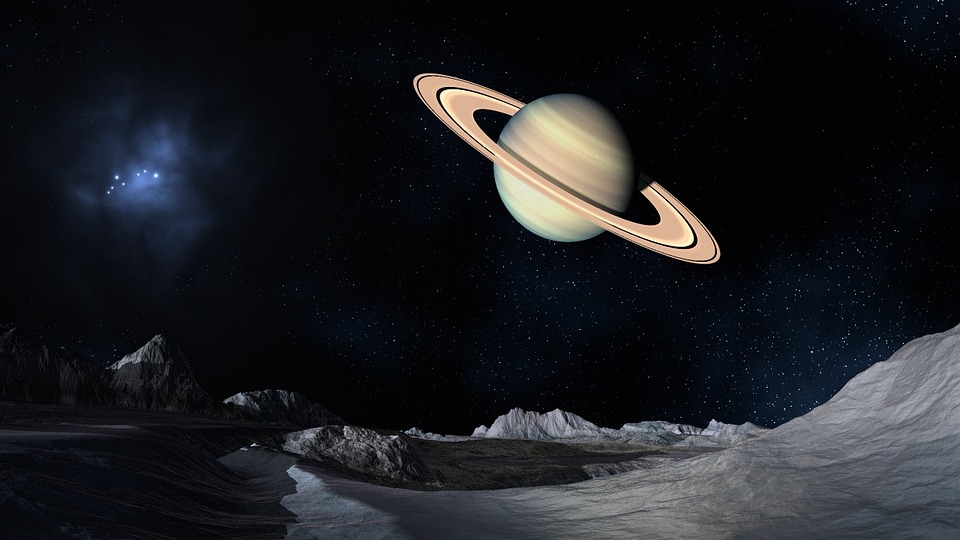
Space agencies all over the world continue to explore what lies beyond Earth and into the cosmos. Now, a group of scientists claims that alien life forms may exist in other exoplanets similar to that of Earth.
Over the years, space agencies have discovered many exoplanets that are in orbit in the galaxy. Although it may deem impossible for humans and even probes to explore these exoplanets, scientists can study the kind of atmosphere these planets have to determine if those are planets similar to Earth. US space agency NASA is preparing for an upcoming mission involving the new James Webb Space Telescope. According to Astronomy Professor Victoria Meadows, this new space telescope will play an important part in the search for life beyond Earth. Meadows even stated that the first breakthrough with this research might come within the decade.
“In the next five to 10 years, we’ll potentially get our first chance to observe the atmospheres of terrestrial exoplanets,” said Meadows.
The scientists will focus on the exoplanets that are 40 light-years away from Earth. Other potential subjects would be the exoplanets that orbit cool stars. So far, there are a number of planets that seem to fit the objective, like the planets in the TRAPPIST system, an M-Dwarf star.
As for evidence of alien life, one indicator that the James Webb Space Telescope may look out for is the presence of carbon dioxide, specifically the amount of carbon dioxide that may be present in the atmospheres of these planets.
Previously, scientists have discovered a sporadic fast radio burst coming from 500 million light-years away. The researchers first discovered these signals six years prior but were not able to determine the source of the signals. Although the source is unknown, the researchers noticed the behavioral pattern of the signals.
They found that the signals were being transmitted to Earth every 16 days. A signal is transmitted once every hour, lasting a few milliseconds long, for four days before going silent over the next 12 days. It resumes its signal transmission for another 16 days in a kind of cycle. Despite the discovery of these signals, the scientists have ruled out alien communication as the 16-day cycle would be inefficient.







