


 California ICE Detention Center Found to Have Inadequate Medical Care, Court Monitor Says
  SpaceX’s Starship Completes 11th Test Flight, Paving Way for Moon and Mars Missions
  China vs. NASA: The New Moon Race and What's at Stake by 2030
  Blue Origin New Glenn Rocket Explodes During Launch Pad Test, Delaying Space Ambitions
  SpaceX Pivots Toward Moon City as Musk Reframes Long-Term Space Vision
  Trump Administration Imposes New Forced Labor Tariffs on 60 Trading Partners
  UK AI Security Tests Reveal Anthropic and OpenAI Agents Attempted Unauthorized Actions
  Alibaba Stock Jumps as Qwen 3.8-MAX AI Model Intensifies China's AI Race
  US Expands Social Media Vetting to Foreign Journalists Seeking Visas
  CDC Expands Cyclospora Outbreak Investigation to 15 States as Lettuce Link Grows
  Palantir Stock Soars as AI Demand Drives Strong Q2 Earnings and Higher 2026 Outlook
  India Plans Tax Reforms to Boost Foreign Investment and Manufacturing
  Eli Lilly’s Inluriyo Gains FDA Approval for Advanced Breast Cancer Treatment
  NASA Cuts Boeing Starliner Missions as SpaceX Pulls Ahead
  FAA Proposes Inspections for Boeing 737 MAX Passenger Seats Over Installation Concern
  Blue Origin’s New Glenn Achieves Breakthrough Success With First NASA Mission


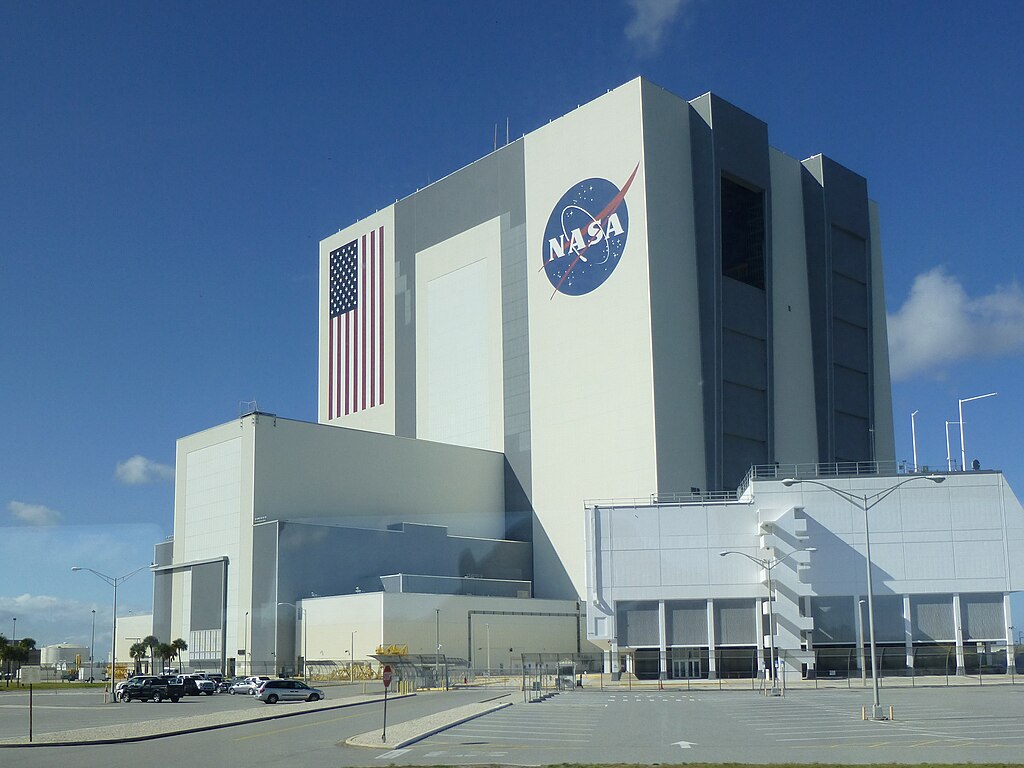
NASA is bracing for a significant workforce reduction, with roughly 20% of its employees expected to leave the agency in the coming weeks. According to a NASA spokesperson, about 3,870 staff members are anticipated to depart, potentially reshaping the future operations of the U.S. space agency.
The departures, which could fluctuate as plans are finalized, will reduce NASA’s workforce to approximately 14,000 employees. While the reasons behind the exits were not immediately detailed, the move highlights ongoing challenges faced by federal agencies in retaining skilled talent amid increasing competition from the private space sector.
NASA, renowned for its pioneering space exploration missions, including the Artemis program aimed at returning humans to the Moon, will need to reassess its staffing strategies to ensure continuity in current and future projects. The agency has been at the forefront of major initiatives such as Mars exploration, satellite launches, and advancing space technology, and the reduction in staff may place additional pressure on meeting mission timelines and goals.
Industry analysts note that such a substantial workforce change could impact collaboration with commercial partners like SpaceX and Boeing, as well as international programs involving the International Space Station. However, NASA is expected to implement measures to mitigate disruptions and maintain its leadership in space exploration.
The agency has not confirmed whether recruitment drives or restructuring plans will follow, but updates are anticipated as the situation develops.
This large-scale transition marks one of NASA’s most significant personnel shifts in years and underscores broader changes within the U.S. aerospace industry, where demand for experienced engineers and scientists continues to grow.







