


 Reflection AI Eyes $25 Billion Valuation in Massive $2.5 Billion Funding Round
  Google's TurboQuant Algorithm Sends Memory Chip Stocks Tumbling
  OpenAI Pulls the Plug on Sora, Ending $1 Billion Disney Partnership
  Lost in space: MethaneSat failed just as NZ was to take over mission control – here’s what we need to know now
  Eli Lilly’s Inluriyo Gains FDA Approval for Advanced Breast Cancer Treatment
  Explosion and Fire Erupt at Valero Oil Refinery in Port Arthur, Texas
  Elon Musk Confirms SpaceX, xAI, and Tesla Will Continue Large-Scale Nvidia Chip Orders
  CDC Vaccine Review Sparks Controversy Over Thimerosal Study Citation
  Global Flight Cancellations 2026: Middle East Air Travel Chaos Explained
  Amazon's "Transformer" Phone: Can It Succeed Where Fire Phone Failed?
  SpaceX Prioritizes Moon Mission Before Mars as Starship Development Accelerates
  Air Canada Express Crash at LaGuardia: Controller Distracted by Prior Emergency
  Nintendo Switch 2 Production Cut as Holiday Sales Miss Targets
  NASA Resumes Cygnus XL Cargo Docking with Space Station After Software Fix
  Malaysia Semiconductor Industry Eyes Helium Supply Risks Amid Middle East Conflict
  Alibaba Bets on AI Agents to Unify Its Vast Digital Ecosystem


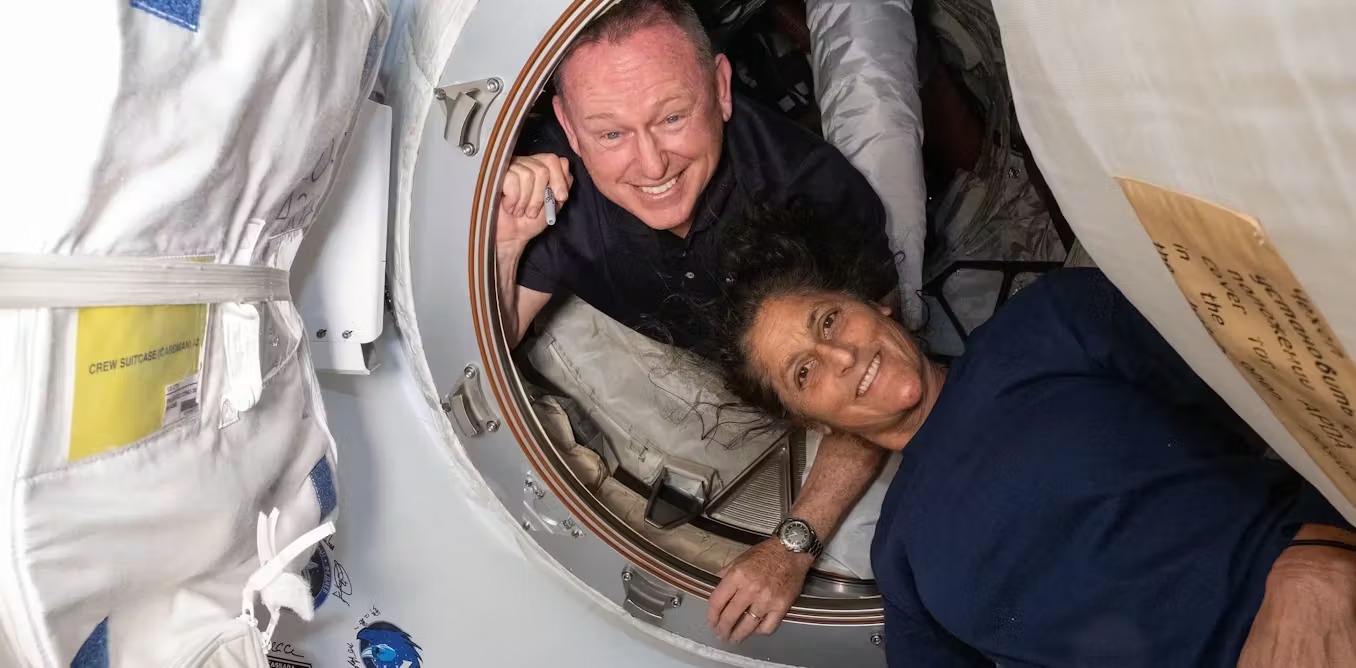
NASA astronauts Butch Wilmore and Suni Williams are steadily recovering after spending nine unexpected months aboard the International Space Station (ISS) due to issues with Boeing’s Starliner capsule. Initially intended for an eight-day test flight, the mission extended when Starliner experienced propulsion problems that forced NASA to return the capsule uncrewed in 2023.
The astronauts returned to Earth in March 2025 and have since undergone intensive physical therapy to readjust to gravity. Wilmore, 62, noted the difficulties of re-adapting to Earth's conditions, saying, “Gravity stinks for a period.” Williams, 59, echoed the challenges, highlighting muscle fatigue and delayed energy recovery. Both astronauts spent about two hours daily with NASA’s reconditioning specialists during a standard 45-day rehab period.
Despite lingering issues, such as neck pain for Wilmore and fatigue for Williams, both are now supporting Boeing and NASA operations, helping evaluate the Starliner program and contributing to ISS-related research. Wilmore noted that some of his preexisting physical pain vanished in microgravity but returned immediately upon splashdown.
Boeing has already incurred over $2 billion in costs developing Starliner and is awaiting a key decision from NASA: whether to mandate another uncrewed flight before resuming crewed missions. Williams supports the idea, citing the cautious approach taken by SpaceX and Russia in launching uncrewed missions before sending astronauts.
NASA expects to complete tests of Starliner over the summer, which will determine if it’s ready to fly humans again. Williams and Wilmore continue to be key figures in that assessment as Boeing aims to regain trust in its human spaceflight program.
The Starliner setback adds to Boeing’s ongoing challenges, contrasting with the consistent performance of rival capsules developed by SpaceX. NASA’s upcoming decision will be pivotal for Boeing’s future in space exploration.













