


 AstraZeneca Halts Phase III Volrustomig Lung Cancer Trial After Efficacy Setback
  Trump Administration Bars U.S. Travelers From Congo Flights Amid Ebola Outbreak
  3 clinical-grade skincare creams you really shouldn’t buy online
  Eli Lilly Eyes AtaiBeckley Acquisition to Expand Psychedelic Mental Health Pipeline
  Trump Administration Releases New UFO Files and Apollo Mission Records
  Cogent Biosciences Soars 120% on Breakthrough Phase 3 Results for Bezuclastinib in GIST Treatment
  FDA Investigates New Cyclospora Outbreak as U.S. Cases Continue to Rise
  Trump, Xi Visit US National Archives After White House Summit
  NASA Artemis II: First Crewed Moon Mission Since Apollo Takes Four Astronauts on 10-Day Lunar Journey
  Saudi Arabia, Turkey and Pakistan Plan Urgent Defence Talks Over Houthi Attacks
  Hims & Hers Shares Fall as GLP-1 Costs Widen Q2 Loss
  France Keeps Top Health Alert as Officials Brace for Another Heatwave
  Mexico-US Trade Talks Delayed to October as Tariff Negotiations Continue
  France Defends Netanyahu Airspace Clearance Despite ICC Warrant
  Hanmi Pharm Soars 30% on $2.3 Billion Genentech Obesity Drug Deal
  The government is ‘doubling down’ on its social media ban. But bigger penalties for platforms aren’t enough


 Add as a preferred source on Google
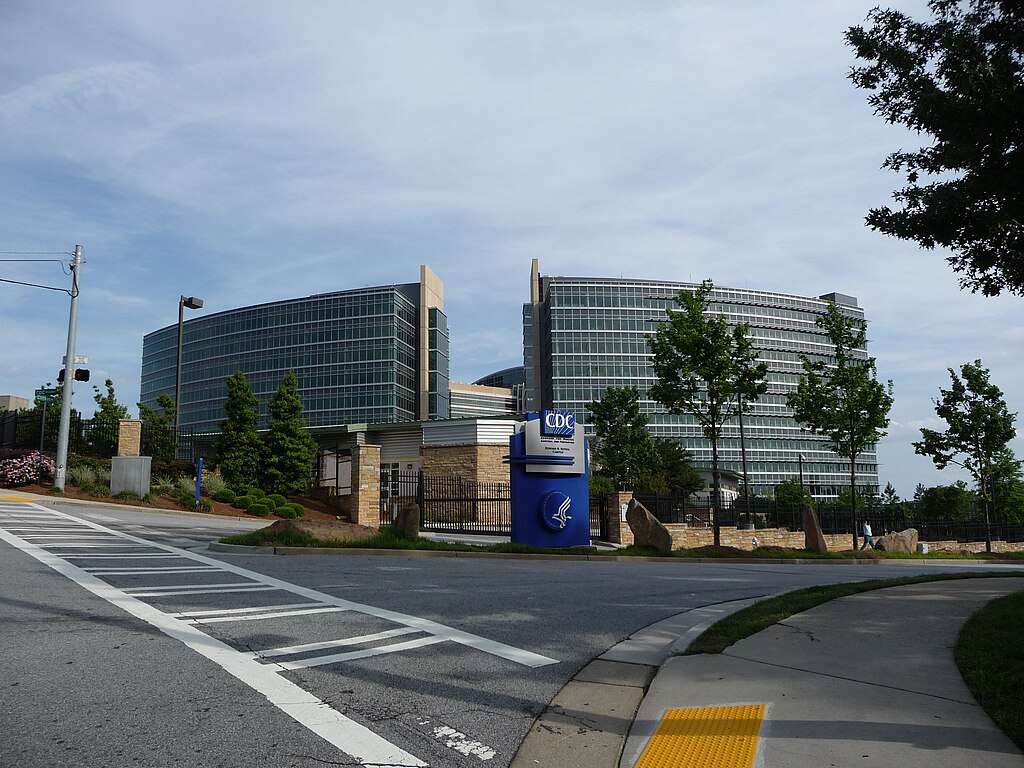
A presentation on thimerosal, a mercury-based vaccine preservative, set to be delivered to the CDC’s advisory committee has come under scrutiny for referencing a non-existent study. The report, “Thimerosal as a Vaccine Preservative,” authored by Lyn Redwood—former leader of the anti-vaccine group Children’s Health Defense—cited a 2008 study allegedly co-authored by UC Davis Professor Emeritus Robert Berman. However, Berman confirmed that such a study was never conducted by him and said the cited findings misrepresented his actual research published in Toxicological Sciences.
The erroneous citation was first reported by Reuters, prompting the CDC to upload a revised version of Redwood’s presentation, removing the disputed slide. The controversy has intensified after Health Secretary Robert F. Kennedy Jr. recently replaced the CDC’s entire 17-member vaccine panel with eight new members, half of whom are known vaccine skeptics.
Both Republican Senator Bill Cassidy and Democratic Senator Patty Murray have urged postponement of the June 25–26 meeting, citing the panel’s lack of vetting and the absence of a CDC director. Redwood’s presentation contrasts with a separate CDC staff report reaffirming that thimerosal-containing vaccines do not cause autism or other neurodevelopmental issues.
According to CDC data, 96% of flu vaccines administered during the 2024–25 season were thimerosal-free, and only 0.3% of flu vaccines given to pregnant women contained the preservative. Kennedy, a long-time critic of vaccine safety, has previously claimed thimerosal causes brain damage—claims consistently debunked by scientific research.
The thimerosal debate highlights rising tensions around vaccine policy and misinformation, especially as newly appointed CDC advisors consider whether to recommend thimerosal-free vaccines for all pregnant women and children. Redwood has not yet responded to requests for comment.







