


 SoftBank Launches $11 Billion Bond Sale to Fund OpenAI Investment
  Meta Partners With Shopify to Bring Shop Pay Checkout to Muse AI
  NASA Resumes Cygnus XL Cargo Docking with Space Station After Software Fix
  Is space worth the cost? Accounting experts say its value can’t be found in spreadsheets
  FDA Adds Fatal Risk Warning to J&J and Legend Biotech’s Carvykti Cancer Therapy
  US Federal Register Drops Alibaba Qwen AI Search Tool
  SoftBank Shares Jump 8% as SB Energy IPO Optimism Builds
  OpenAI Urges US-Led Global Standards for Frontier AI
  Westinghouse Targets $50 Billion Valuation in U.S. IPO
  Petrobras Joins Brazil’s New Diesel Subsidy Program
  Rosenblatt Starts Nokia at Buy on AI Networking Growth
  NASA Artemis II: First Crewed Moon Mission Since Apollo Takes Four Astronauts on 10-Day Lunar Journey
  Apple Pay Set for India Launch With Axis Bank
  AstraZeneca Shares Sink After Wainua Trial Misses Key Heart Disease Goal
  SpaceX Nasdaq 100 Weight to More Than Double in Rebalance
  Allegro Raises 2026 Outlook as International GMV Surges


 Add as a preferred source on Google
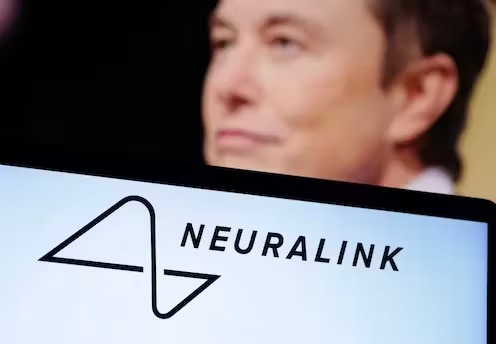
Elon Musk’s brain-computer interface company, Neuralink, announced that 12 people worldwide have now received its brain implants. This is up from seven patients reported in June, when the company’s partner, Barrow Neurological Institute, revealed that individuals with severe paralysis were successfully using Neuralink’s technology to control digital devices and physical tools through thought.
According to Neuralink, the collective use of its implants has surpassed 2,000 days, totaling over 15,000 hours of activity. The company shared the update on X (formerly Twitter), highlighting progress in real-world applications of its brain chip technology.
Neuralink also confirmed plans to expand clinical research in Europe. Beginning this year, the company will launch a trial in Great Britain in collaboration with University College London Hospitals and Newcastle Hospitals. The study aims to evaluate the safety and effectiveness of the brain implant in enabling patients with paralysis to regain independence through mind-controlled devices.
In June, Neuralink secured $650 million in funding, underscoring strong investor confidence in its mission to merge humans with advanced AI systems. The funding comes as the company scales its human trials, which officially began in 2024 after addressing safety concerns flagged by the U.S. Food and Drug Administration. The FDA had initially rejected Neuralink’s application in 2022 before granting approval for human testing.
With growing clinical evidence and international partnerships, Neuralink continues to position itself at the forefront of neurotechnology. The company’s brain-computer interface could mark a major breakthrough for patients with severe neurological conditions, while also driving advancements in human-AI integration.







