


 GSK Unveils $2.52 Billion Cost-Cutting Plan to Accelerate Drug Pipeline
  Venezuela Earthquake Health Risks Rise as Disease Monitoring Intensifies
  Trump Administration Plans Faster FDA Reviews for Smoke-Free Nicotine Products
  Trump Administration Bars U.S. Travelers From Congo Flights Amid Ebola Outbreak
  FAA Allows Boeing to Sell 35 More 777F Freighters Beyond 2028
  Australia Tightens Student Visa Rules, Targets Migration Cut by 2028
  Trump and Merck KGaA Partner to Slash IVF Drug Costs and Expand Fertility Coverage
  Senate Sets December 8 Vote on Trump’s NASA Nominee Jared Isaacman
  China vs. NASA: The New Moon Race and What's at Stake by 2030
  AstraZeneca Halts Phase III Volrustomig Lung Cancer Trial After Efficacy Setback
  Blue Origin New Glenn Explosion Could Delay Launch Operations Until 2028
  Canada Unveils Bill to Fast-Track Major Resource Projects
  Novo Nordisk Eyes Turnaround as Oral Wegovy Challenges Eli Lilly in Weight-Loss Drug Race
  US Backs Musk in Fight Against EU’s €120 Million X Fine


 Add as a preferred source on Google
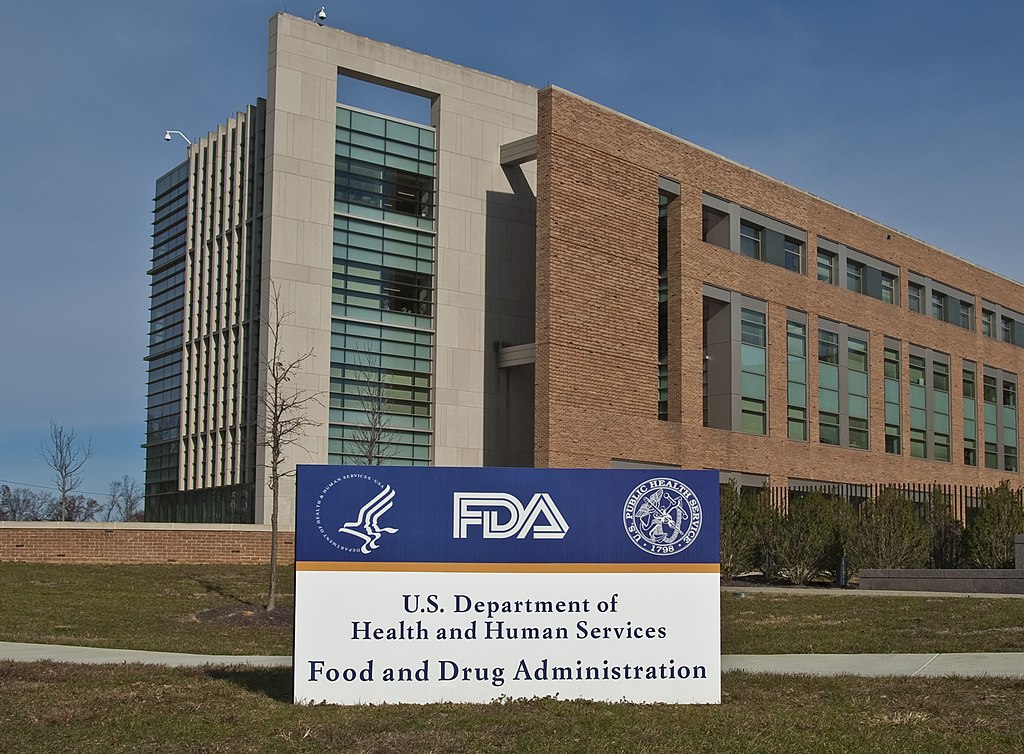
The U.S. Food and Drug Administration (FDA) has removed the Risk Evaluation and Mitigation Strategies (REMS) requirement for all currently approved CAR-T cell therapies, a move expected to improve patient access to these advanced cancer treatments.
CAR-T cell therapy, a form of gene therapy used to treat blood cancers such as leukemia, lymphoma, and multiple myeloma, involves reprogramming a patient’s T-cells to attack cancer cells. Despite serious side effects, including cytokine release syndrome and neurological toxicities, the FDA concluded that existing labeling and boxed warnings are sufficient to communicate these risks without the need for REMS.
This regulatory update affects therapies including Bristol-Myers Squibb’s Breyanzi and Abecma (developed with 2seventy bio), Johnson & Johnson’s Carvykti (with Legend Biotech), Novartis’ Kymriah, and Gilead’s Tecartus and Yescarta. Gilead confirmed label updates to reflect the FDA’s decision, stating it would ease the burden on healthcare providers and expand access to potentially curative treatments.
Bristol-Myers Squibb echoed this sentiment, emphasizing its commitment to breaking down barriers to CAR-T access. These therapies have been a breakthrough in oncology, offering new hope for patients with few alternatives.
In January 2024, the FDA had mandated additional safety warnings for CAR-T drugs following reports of secondary T-cell malignancies, including leukemia and lymphoma. Despite these risks, the agency now believes they can be effectively managed through existing safety measures.
With this change, the FDA aims to streamline access to CAR-T therapies while maintaining patient safety, reinforcing its support for innovation in personalized cancer treatment. This decision marks a significant regulatory shift that could accelerate the adoption of CAR-T across oncology care.







