


 Burnham Eyes UK Leadership Role in AI Ahead of Trump Meeting
  Who should own the knowledge that underpins AI technology?
  Trump Sets High-Stakes UN Meetings With Zelenskiy, Gulf Leaders
  U.S. Issues Cuba Health Alert as Illnesses Rise
  UK, Mauritius Seek Diego Garcia Base Deal
  Denmark Says Greenland Sovereignty Protected in US Military Deal
  Carney Condemns Belleville Synagogue Shooting That Wounded Police Officer
  AI is supercharging money scams – here’s what you can do to protect yourself
  AfD Wins German State Election as Merz’s CDU Hits Historic Low
  France Urges Faster AI Push Despite Safety Risks
  Australia Tightens Student Visa Rules, Targets Migration Cut by 2028
  Trump Open to Pezeshkian Meeting as Iran Tensions Escalate
  Moderna Wins FDA Approval for mFLUSIVA mRNA Flu Vaccine for Adults 50+
  Trump-Xi Summit Puts Trade Truce and Taiwan in Focus
  Russian Drone Attacks Kill Four in Kyiv Region, Including Three Children
  SoftBank Launches $11 Billion Bond Sale to Fund OpenAI Investment
  Hims & Hers Shares Fall as GLP-1 Costs Widen Q2 Loss


 Add as a preferred source on Google
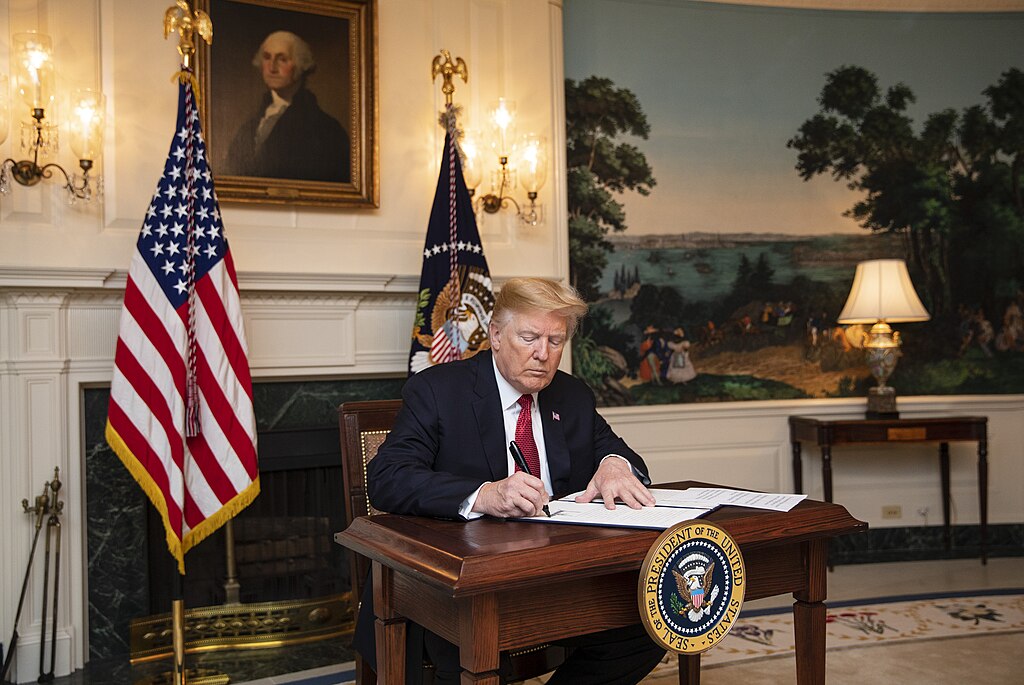
U.S. President Donald Trump has signed an executive order aimed at expanding the use of artificial intelligence (AI) in pediatric cancer research. The order provides an additional $50 million in research grants to accelerate progress in finding cures for childhood cancers, according to White House officials.
This move builds on the National Cancer Institute’s (NCI) Childhood Cancer Data Initiative, a decade-long, $500 million program launched in 2019 to collect and share vital data on pediatric cancers. Michael Kratsios, director of the White House Office of Science and Technology Policy, highlighted that childhood cancer remains the leading cause of disease-related deaths among children in the United States, with cases rising more than 40% since 1975.
Kratsios noted that advances in AI can now be harnessed to sharpen diagnoses, improve clinical trials, fine-tune treatment strategies, and enhance prevention methods. Data gathered through the NCI initiative is expected to empower researchers with new tools to tackle the complexity and diversity of pediatric cancers.
In addition to the $50 million in grants, the National Institutes of Health (NIH) will double its commitment by investing another $50 million. This funding aims to attract leading scientific teams through competitive research opportunities. Further investments are also anticipated to strengthen ongoing initiatives.
The announcement comes despite Trump’s 2026 budget proposal, which suggested a 37% cut to the NCI budget. Lawmakers in both the House and Senate, however, have pushed back against these cuts, and budget negotiations remain ongoing.
Globally, the World Health Organization reports that around 400,000 children and adolescents are diagnosed with cancer each year. While advances in adult cancer research have surged with AI, pediatric cancer research has lagged due to challenges like cancer rarity, diversity, and ethical concerns over patient data protection.
By reinforcing funding and leveraging AI, the administration aims to close this gap and accelerate life-saving innovations in childhood cancer treatment.







