


 US Treasury Plans Weekly Iran Sanctions Push
  Tennessee Plans to Rename Nashville Airport After Dolly Parton
  Nepal Declines Foreign Rescue Aid After Deadly Flash Flood
  US Military Uses Laser to Shoot Down Cartel Drones at Mexico Border
  Trump Posts AI Video of Iran’s Kharg Island Exploding as Tensions Surge
  Norway’s King Harald Dies at 89, Haakon VIII Takes Throne
  Ecuador Court Convicts Ex-President Lenin Moreno in Bribery Case
  South Korea Leveraged Chip ETF Trading Plunges After New Rules
  Nepal Seeks More China Glacier Data After Deadly Himalayan Flood
  Canada Backs €100B Global Defence Bank as G7 Support Lags
  Bessent Urges G20 to Rethink China Trade Ties
  Ukraine Eyes US Investment for New Defence Tech Fund
  Pentagon Eyes 100-Year Lease on Venezuela Oil Fields
  ICE Awards $16.7M Contract for Electric Shock Gloves
  Ukraine Seeks Early EU Funds to Cover $27B Defence Gap
  Iran Condemns New US Sanctions as Hormuz Standoff Deepens


 Add as a preferred source on Google
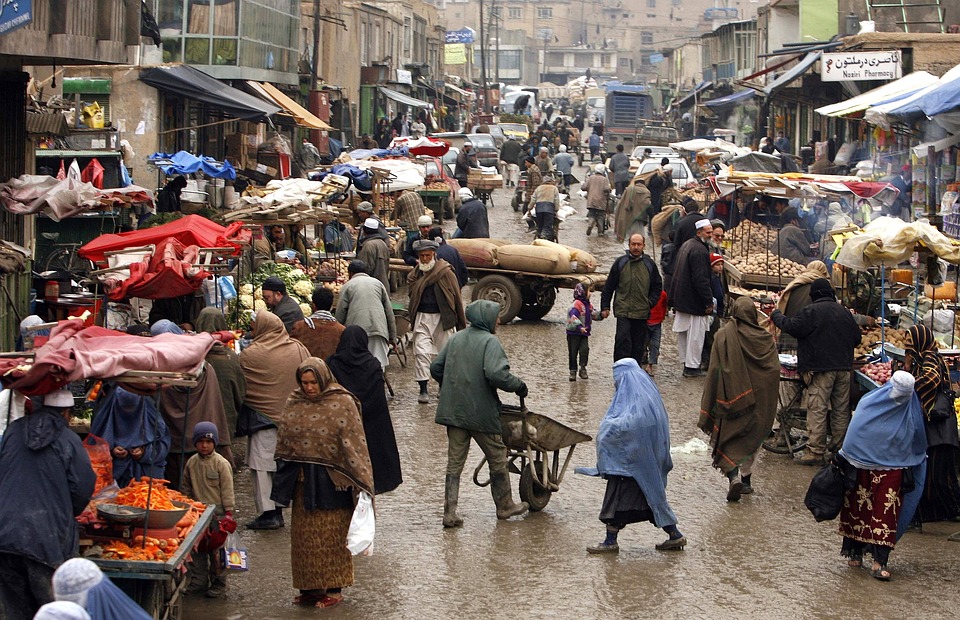
Among the restrictive policies the Taliban administration has imposed in Afghanistan was banning female aid workers, resulting in backlash from the international community. Some donors have raised concerns following some of the aid provided by the United Nations delivered by men only.
The United Nations has delivered some aid to Afghans in need by men, prompting concerns among donors and humanitarian groups that the move may be seen as giving in to the Taliban’s restrictions. UN aid chief Martin Griffiths acknowledged this week that women are not involved in some food aid operations which were described by the World Food Programme as “operational adjustments” for the group to continue its work. However, Griffiths said it was inadequate.
“There are still activities ongoing where men only, for example, delivering good, but it can’t work,” Griffiths told reporters on Monday after visiting Afghanistan last week. Griffiths also stressed that Afghan women need to work in food distribution to ensure that supplies reach the most vulnerable.
Any potential changes in the United Nations’ approach to food aid have raised concerns among donors and humanitarian groups. The United States has expressed concern that some UN agencies may be considering an all-male aid delivery model, according to deputy US ambassador to the UN Lisa Carty during a briefing with Griffiths and UN member countries.
“This could effectively cut off access to aid to women in need,” said Carty. “It could signal international agencies’ acquiescence to the Taliban’s unacceptable conditions thus normalizing the suppression with repercussions for humanitarian settings elsewhere.”
In an operational note on Wednesday, the International Rescue Committee said that female participation was an “operational necessity” and that “without female staff at all levels and across all sectors, we cannot accurately assess needs and deliver aid and programs at the necessary scale.”
In another restriction against women, last week, the Taliban ordered universities to ban female students from sitting in to take the entrance exams that are set to take place by the end of February. The order was in a letter from the Taliban-run ministry of higher education and sent to institutions in northern Afghanistan including the capital Kabul. This follows the insurgent group’s ban on female students entering universities back in December.







