


 US Military Uses Laser to Shoot Down Cartel Drones at Mexico Border
  Mojtaba Khamenei’s Absence Fuels Iran Leadership Doubts
  U.S. Strikes Iranian Launchers on Larak Island
  Iran Targets U.S. Forces in Jordan as Missiles Intercepted
  North Korea Vows to Strengthen Nuclear Arsenal Amid U.S. Tensions
  Ukraine Eyes US Investment for New Defence Tech Fund
  Flavio Bolsonaro Pledges to Respect Brazil Election Result
  Nepal Seeks More China Glacier Data After Deadly Himalayan Flood
  King Haakon VIII Honors Late Father Harald in First Address
  Iran’s Khamenei Urges Muslim, Gulf Unity Against ‘Real Enemy’
  South Korea Leveraged Chip ETF Trading Plunges After New Rules
  Bessent Urges G20 to Rethink China Trade Ties
  US Treasury Plans Weekly Iran Sanctions Push
  Iceland Counts Votes in Close EU Membership Talks Referendum
  Iran Weighs Conditions to Reopen Strait of Hormuz
  Tennessee Plans to Rename Nashville Airport After Dolly Parton


 Add as a preferred source on Google
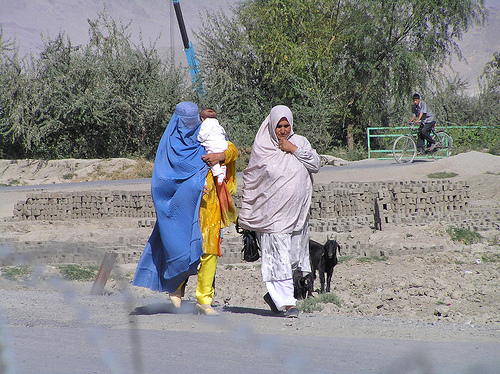
The United Nations deputy Secretary-General said that there was some progress following the talks between a UN delegation and Taliban officials in Afghanistan regarding women’s rights. However, the UN envoy noted that there is still work to be done.
Speaking with Al Jazeera on Saturday, UN deputy chief Amina Mohammed said the UN delegation’s meeting with the Taliban earlier in the week led to some progress, but there is still work to be done. Mohammed cited the exemptions the Taliban made when it came to female humanitarian workers, with the insurgent group allowing female aid workers in the healthcare sector to return to work as three NGOs resumed operations.
“There has been some progress. Some exemptions have been made to the edicts that have covered the health sector,” said Mohammed. “I think that’s because the international community, and particularly the partners that are funding this were able to show the implications and the impact of woman-to-woman services, particularly childbirth.”
Mohammed noted that this progress only marked the start of the remaining work to be done as the high-level talks followed the widespread criticism of the Taliban for its orders last month to bar female NGO workers from returning to work and barring female university and high school students from attending classes.
Mohammed led a UN delegation that met with Taliban cabinet members, including the acting foreign minister, deputy prime minister, and minister of refugees and returnees. The delegation also met with the governor of Kandahar province and the Shura leadership council responsible for making many key decisions.
“I was always very clear that I am going there as an opportunity to air the voices of Afghan women. We heard from young women who said, ‘We do not need your voice, what we need is you amplify yours,’” Mohammed told the news outlet.
Several member countries of the UN Security Council have previously urged the insurgent group to reverse its policy on the bans on female students and aid workers, calling on the Taliban to end its manner of treatment of women with its increasingly restrictive policies. The 15-member panel met in a closed-door meeting earlier this month at the request of the United Arab Emirates and Japan to discuss the recent policies by the Taliban.
11 members of the council have called on the Taliban to uphold the rights of women and girls as well as reverse the bans on women from attending universities and taking part in humanitarian work.







