


 Iran Weighs Conditions to Reopen Strait of Hormuz
  Iran’s Khamenei Urges Muslim, Gulf Unity Against ‘Real Enemy’
  Nepal Declines Foreign Rescue Aid After Deadly Flash Flood
  Bessent Defends US Yen Intervention Over Treasury Market Risks
  Ukraine Seeks Early EU Funds to Cover $27B Defence Gap
  King Haakon VIII Honors Late Father Harald in First Address
  Iran Targets U.S. Forces in Jordan as Missiles Intercepted
  Finland’s Stubb Says Russia Unlikely to Attack NATO
  Mojtaba Khamenei’s Absence Fuels Iran Leadership Doubts
  South Korea Leveraged Chip ETF Trading Plunges After New Rules
  Tennessee Plans to Rename Nashville Airport After Dolly Parton
  Bessent Says Yen Moves Contained as BOJ Rate Decision Looms
  Pentagon Eyes 100-Year Lease on Venezuela Oil Fields
  Ukraine Eyes US Investment for New Defence Tech Fund
  ICE Awards $16.7M Contract for Electric Shock Gloves
  South Korea, Japan and US Plan Joint Military Drills


 Add as a preferred source on Google
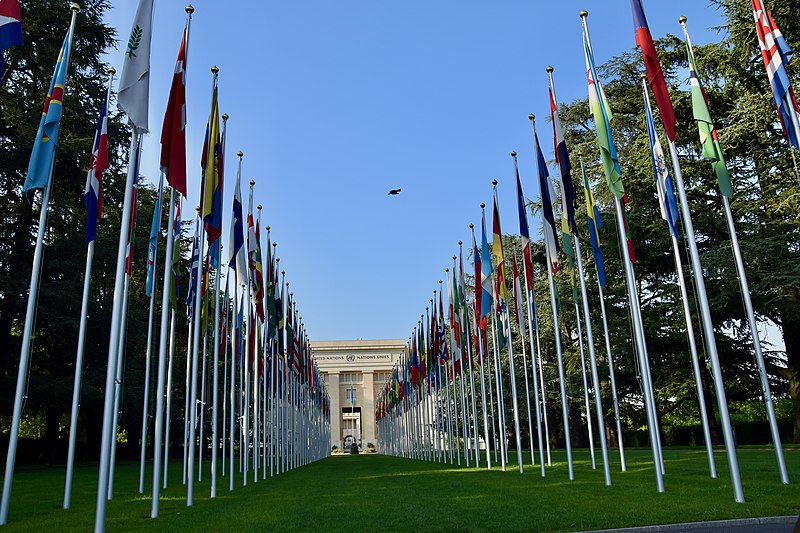
Top officials at the United Nations said they are trying to push for more exemptions to the Taliban’s ban on women aid workers. However, the agency also expressed concern that foreign women aid workers could be targeted by the Taliban administration next.
UN officials said on Wednesday that they are looking to push for more exemptions to the Taliban’s latest policy banning women NGO employees from returning to work. Speaking to Reuters during a visit to Afghanistan’s capital Kabul, UN aid chief Martin Griffiths said that he has told Taliban officials during their meetings that they should provide more exemptions if the administration does not plan on reversing the ban.
Many aid groups have since suspended operations following the Taliban’s latest policy that banned women aid workers. The latest policy is one of the many restrictive orders by the insurgent group since it returned to power in 2021.
Griffiths travelled to Afghanistan this week following the visit by UN deputy Secretary-General Amina Mohammed the week before. Griffiths said the Taliban has granted some exemptions, such as health and education and that there were signs that there may be a possible exemption for agriculture.
However, Griffiths said much more exemptions to the ban were needed as nutrition, water, and sanitation services are a major priority to prevent severe illnesses and malnutrition. Griffiths told Reuters that after his recent meetings with the Taliban administration, he hoped the group would create a set of written guidelines that would allow aid groups to operate with female staff in more areas in the coming weeks.
“The next few weeks are absolutely crucial to see if the humanitarian community…can stay and deliver,” said Griffiths. “I don’t want to speculate as to whether we’re going to come out of this in the right place.”
Authorities said on Thursday that over 160 Afghans have died from the cold weather this month in what would be the worst winter in over 10 years. Residents have described being unable to afford fuel that could heat their homes in below-freezing temperatures. Afghanistan’s ministry for disaster management spokesperson said 162 people died from the cold temperatures as of January 10, and 84 of the deaths took place last week.







