


 UN Peacekeepers to Deploy Ceasefire Monitoring Team to Eastern Congo After Doha Talks
  Australian Scandium Project Backed by Richard Friedland Poised to Support U.S. Critical Minerals Stockpile
  Netanyahu Warns U.S. Envoy Iran Unlikely to Honor Nuclear Deal as Talks Resume
  Trump, Petro Discuss Sanctions and Strengthening U.S.–Colombia Relations After Oval Office Meeting
  Trump Extends AGOA Trade Program for Africa Through 2026, Supporting Jobs and U.S.-Africa Trade
  Trump Spoke With FBI Agents After Georgia Election Office Search, Report Says
  Trump Plans Call With Savannah Guthrie After Mother’s Disappearance, Federal Support Considered
  Taiwan Urges Stronger Trade Ties With Fellow Democracies, Rejects Economic Dependence on China
  Trump Administration Sued Over Suspension of Critical Hudson River Tunnel Funding
  Laura Fernandez Set to Become Costa Rica’s Next President, Promising Sweeping Political Change
  Russia Prepares for Post–New START Era as U.S.-Russia Nuclear Arms Control Nears Collapse
  Medvedev Warns World Is Growing More Dangerous but Says Russia Seeks to Avoid Global Conflict
  U.S. Condemns South Africa’s Expulsion of Israeli Diplomat Amid Rising Diplomatic Tensions
  Cuba and U.S. Resume Limited Diplomatic Communications Amid Rising Tensions
  Trump Announces U.S.–India Trade Deal Cutting Tariffs, Boosting Markets and Energy Ties
  Israel Reopens Rafah Crossing, Offering Limited Relief to Gaza Patients Amid Ceasefire Efforts
  Trump Calls for “Nationalizing” Voting, Drawing Backlash Over Election Authority


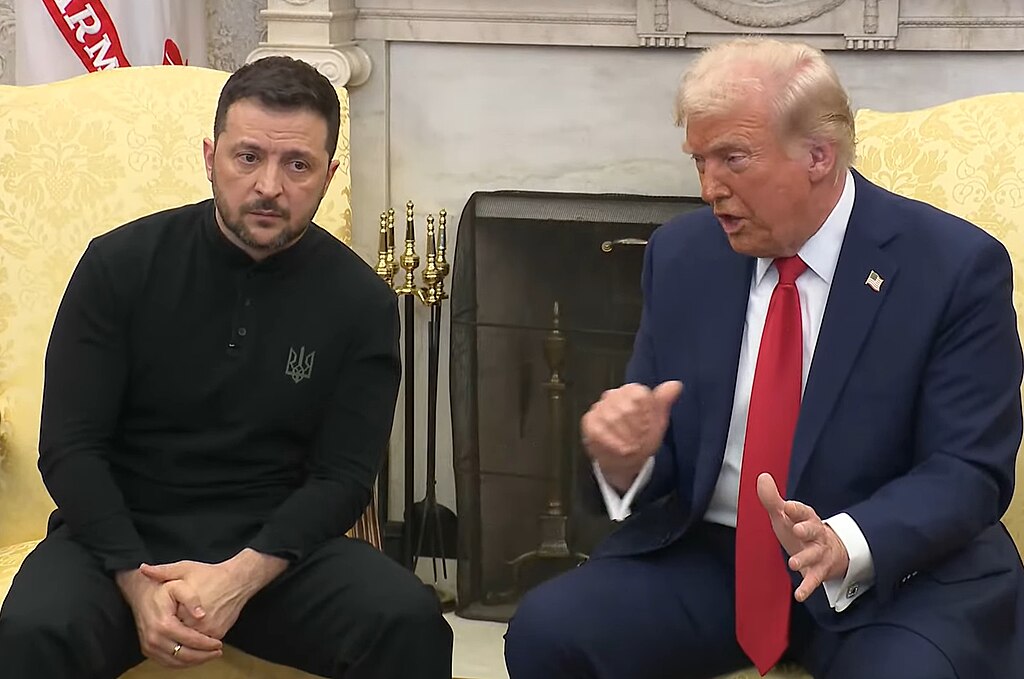
Ukrainian President Volodymyr Zelenskiy said Ukraine is waiting for a clear response from the United States following Russia’s latest overnight attacks that caused further damage to Ukrainian cities and critical energy infrastructure. The strikes come amid ongoing diplomatic efforts and renewed discussions about limiting attacks on civilian and energy targets during the winter period.
In his nightly video address, Zelenskiy emphasized that the proposal to halt strikes on energy infrastructure was initially put forward by the United States. He stressed that Ukraine has taken that initiative seriously and expects Washington to respond decisively after Russia ignored the spirit of those discussions. According to Zelenskiy, continued attacks on power facilities threaten civilian safety, economic stability, and humanitarian conditions, especially during colder months when energy supplies are vital.
Zelenskiy also addressed the broader issue of concessions in the conflict. He noted that while Ukraine has been expected to demonstrate flexibility in diplomatic talks, responsibility does not lie with Kyiv alone. He argued that meaningful progress requires Russia to make concessions as well, primarily by stopping its military aggression against Ukraine. Without such steps, Zelenskiy suggested, diplomatic efforts risk becoming symbolic rather than effective.
The latest Russian strikes reportedly targeted multiple urban areas, once again placing Ukraine’s energy grid under strain. Repeated attacks on infrastructure have led to power disruptions and raised concerns about long-term damage to essential services. Ukrainian officials have warned that sustained pressure on energy systems could have severe consequences for civilians and hinder post-war recovery efforts.
In Washington, White House spokeswoman Karoline Leavitt told reporters that U.S. President Donald Trump was not surprised by Russia’s latest actions. Her comments indicated that the administration views the strikes as consistent with Moscow’s recent military behavior, even as diplomatic channels remain open.
The situation underscores the fragile balance between diplomacy and ongoing military escalation in the Russia-Ukraine war. As Ukraine looks to its allies for support and accountability, the international response to these attacks may shape the next phase of diplomatic engagement and influence efforts to protect critical infrastructure from further harm.













