


 FBI Warns of Possible Iranian Drone Attacks on California Amid U.S.-Iran War
  Bipartisan Housing Bill Advances in Senate, Aims to Tackle U.S. Affordability Crisis
  Trump Administration Launches Trade Investigations Against 16 Countries Over Industrial Overcapacity
  Russian Drone Strikes Hit Kharkiv and Dnipro, Injuring Over 20 Civilians
  Anthropic Sues Pentagon Over AI Blacklist, Citing Free Speech Violations
  Venezuela Names Paula Henao as New Oil Minister Amid U.S.-Led Industry Overhaul
  U.S. and Russia Hold Diplomatic Talks in Florida Amid Ongoing Tensions
  Japan's BOJ Independence Under Fire as PM Takaichi's Rate Stance Draws Political Heat
  U.S.-Israel War on Iran Sends Crude Oil Prices Surging Amid Strait of Hormuz Tensions
  Trump-Putin Call Addresses Iran War, Ukraine Peace, and Global Oil Crisis
  Trump Administration Spent $5.6 Billion in Munitions in Opening Days of Iran Strikes
  Taiwan's MQ-9B SkyGuardian Drone Order Stays on Schedule Despite Middle East Conflict
  Trump Hints at Possible U.S. Takeover of Cuba Amid Deepening Humanitarian Crisis
  Trump Announces New U.S. Oil Refinery in Texas with Indian Energy Giant Reliance
  Ukraine Strikes Russian Missile Component Factory in Bryansk Using British Weapons
  After the Iran war, Persian Gulf nations face tough decisions on the US – a former diplomat explains


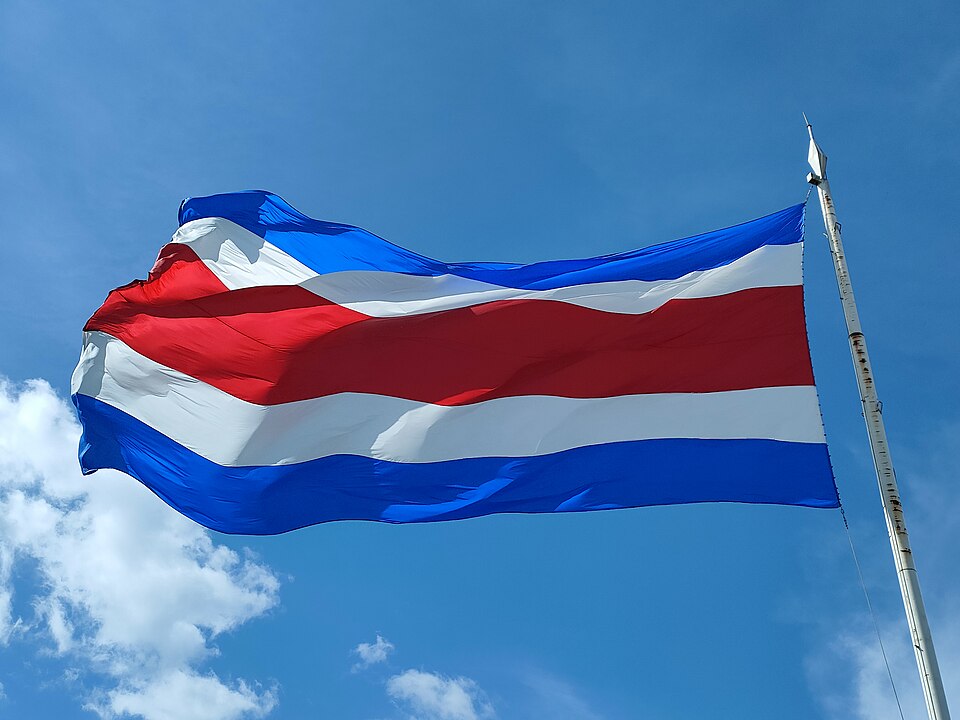
Laura Fernandez is poised to become Costa Rica’s next president, marking a significant political shift as she pledges to continue and deepen the populist agenda of outgoing President Rodrigo Chaves. Her victory signals a transformative moment for the Central American nation, as Fernandez has promised constitutional reforms, tougher security policies, and the temporary suspension of certain civil liberties to confront escalating drug-related violence.
At 39, Laura Fernandez represents a new generation of political leadership in Costa Rica. She built her career within the Ministry of National Planning and Economic Policy, where Chaves appointed her minister in 2022. A close ally of the president, Fernandez later served as his chief of staff before launching her own presidential campaign. Her rapid rise has made her one of the most prominent figures associated with the current administration’s political movement.
Fernandez’s candidacy was strongly backed by key allies of Chaves. Pilar Cisneros, a powerful lawmaker who leads the government’s bloc in Congress, revealed that Fernandez was hand-picked by a small circle close to the president. According to Cisneros, Fernandez’s deep knowledge of the state and its institutional challenges made her the preferred choice to carry forward the project begun by Chaves.
Known for her theatrical speaking style and energetic campaign rallies, Fernandez often connected with voters through music and dance, projecting an image of confidence and accessibility. Born in Esparza in the coastal province of Puntarenas and raised in San Jose, she has emphasized her personal story as part of her political appeal. A conservative Catholic, married with a young daughter, she has promoted a strong family-oriented message that resonated with evangelical and socially conservative voters.
On policy, Fernandez has drawn attention for her admiration of El Salvador President Nayib Bukele and his hard-line approach to crime. She has vowed to declare states of emergency in high-crime areas, limit certain civil liberties, and complete a high-security prison modeled after El Salvador’s CECOT facility. Critics argue these measures risk undermining Costa Rica’s democratic traditions.
Opponents have accused Fernandez of being overly dependent on Chaves, labeling her a political “puppet.” Supporters reject this claim, insisting she will govern independently while remaining loyal to the broader political project. In her victory speech in San Jose, Fernandez declared that Costa Rica’s “second republic” was over and promised to build a “third republic,” signaling what she described as deep and irreversible change.
Fernandez will be Costa Rica’s second female president, following Laura Chinchilla. Chinchilla, now a vocal critic of the current administration, has warned that Fernandez’s leadership follows a familiar authoritarian pattern. Despite the controversy, Fernandez’s presidency is set to reshape Costa Rica’s political landscape and redefine its approach to governance and security.













