


 U.S. Patriot Missiles Redeployed From South Korea Amid Middle East Conflict
  Trump Announces New U.S. Oil Refinery in Texas with Indian Energy Giant Reliance
  U.S.-Israel War on Iran Sends Crude Oil Prices Surging Amid Strait of Hormuz Tensions
  Anthropic Sues Pentagon Over AI Blacklist, Citing Free Speech Violations
  Iran-Israel War Sparks Global Oil Crisis as Tankers Burn in Gulf Waters
  Shots Fired at U.S. Consulate in Toronto in Suspected National Security Incident
  FBI Warns of Possible Iranian Drone Attacks on California Amid U.S.-Iran War
  Venezuela Names Paula Henao as New Oil Minister Amid U.S.-Led Industry Overhaul
  Iran's Government Remains Stable Despite U.S. and Israeli Strikes, Intelligence Shows
  After the Iran war, Persian Gulf nations face tough decisions on the US – a former diplomat explains
  U.S. Calls for Reassessment of International Aid to Taliban-Ruled Afghanistan
  Bipartisan Housing Bill Advances in Senate, Aims to Tackle U.S. Affordability Crisis
  Israel-Iran War: Herzog Urges Patience as U.S. and Israeli Strikes Intensify
  Iran-U.S. Oil Tensions Escalate as Revolutionary Guards Threaten Strait of Hormuz Blockade
  IEA Releases Record 400 Million Barrels of Oil Amid U.S.-Iran War
  Boeing Secures $289 Million Smart Bomb Contract With Israel
  Trump Administration Spent $5.6 Billion in Munitions in Opening Days of Iran Strikes


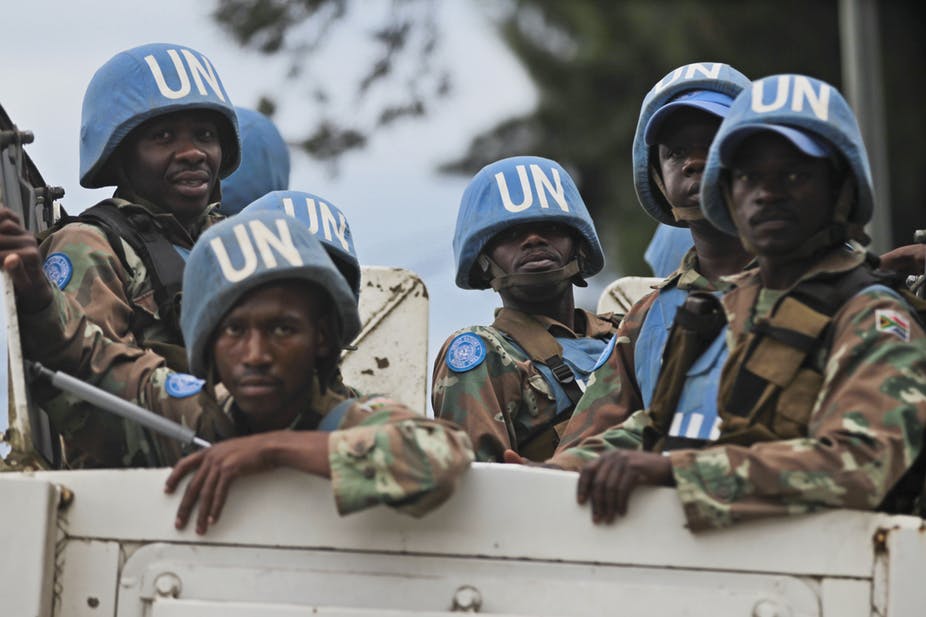
The United Nations peacekeeping mission in the Democratic Republic of Congo is preparing to deploy its first ceasefire monitoring team to eastern Congo in the coming days, following progress in Qatar-mediated talks between the Congolese government and the AFC/M23 rebel group. Qatar’s foreign ministry confirmed the development on Monday after hosting direct negotiations in Doha, signaling renewed diplomatic momentum in efforts to stabilize the conflict-hit region.
According to Qatari officials, the UN monitoring team will be deployed to Uvira, a strategically important city in eastern Congo. Uvira was captured by AFC/M23 fighters in December during a swift offensive that marked one of the group’s most significant territorial expansions to date. Congolese government forces, supported by allied militias, re-entered the city last month and restored state control after the rebels announced their withdrawal.
The planned deployment reflects tangible progress in the Doha talks, which have focused on implementing a ceasefire agreement initially reached in October. Qatar said both sides have now agreed on detailed terms of reference for the ceasefire monitoring mechanism and reaffirmed their commitments under a broader peace framework signed in November. These steps are viewed as critical to reducing violence and rebuilding trust after years of conflict in eastern Congo.
The diplomatic push comes as fighting continues to destabilize the region. Over the weekend, Congolese authorities reported that explosive-laden drones targeted the airport serving Kisangani, a major city in northeastern Congo. If confirmed to be an AFC/M23 operation, the attack would represent the group’s furthest westward strike so far, raising concerns about a widening conflict.
Parallel diplomatic efforts are also underway. The United States is hosting separate talks between Congo and Rwanda, which the United Nations and several Western governments accuse of backing the AFC/M23 rebels, a claim Rwanda has consistently denied. Together, these negotiations highlight intensified international engagement aimed at de-escalation, regional stability, and a sustainable peace in the Democratic Republic of Congo.













