


 Anthropic Sues Pentagon Over AI Blacklist, Citing Free Speech Violations
  Venezuela Names Paula Henao as New Oil Minister Amid U.S.-Led Industry Overhaul
  Iran-Israel War Sparks Global Oil Crisis as Tankers Burn in Gulf Waters
  Taiwan's MQ-9B SkyGuardian Drone Order Stays on Schedule Despite Middle East Conflict
  Russian Drone Strikes Hit Kharkiv and Dnipro, Injuring Over 20 Civilians
  Trump Doubts Iran Mining Reports as Strait of Hormuz Tensions Escalate
  Iran-U.S. Oil Tensions Escalate as Revolutionary Guards Threaten Strait of Hormuz Blockade
  U.S. Calls for Reassessment of International Aid to Taliban-Ruled Afghanistan
  U.S. Senate Greenlights AI Chatbots for Official Staff Use
  Trump Administration Spent $5.6 Billion in Munitions in Opening Days of Iran Strikes
  Trump Announces New U.S. Oil Refinery in Texas with Indian Energy Giant Reliance
  Israel-Iran War: Herzog Urges Patience as U.S. and Israeli Strikes Intensify
  U.S.-Israel War on Iran Sends Crude Oil Prices Surging Amid Strait of Hormuz Tensions
  Iran's Government Remains Stable Despite U.S. and Israeli Strikes, Intelligence Shows
  Trump Administration Launches Trade Investigations Against 16 Countries Over Industrial Overcapacity
  Bipartisan Housing Bill Advances in Senate, Aims to Tackle U.S. Affordability Crisis
  Boeing Secures $289 Million Smart Bomb Contract With Israel


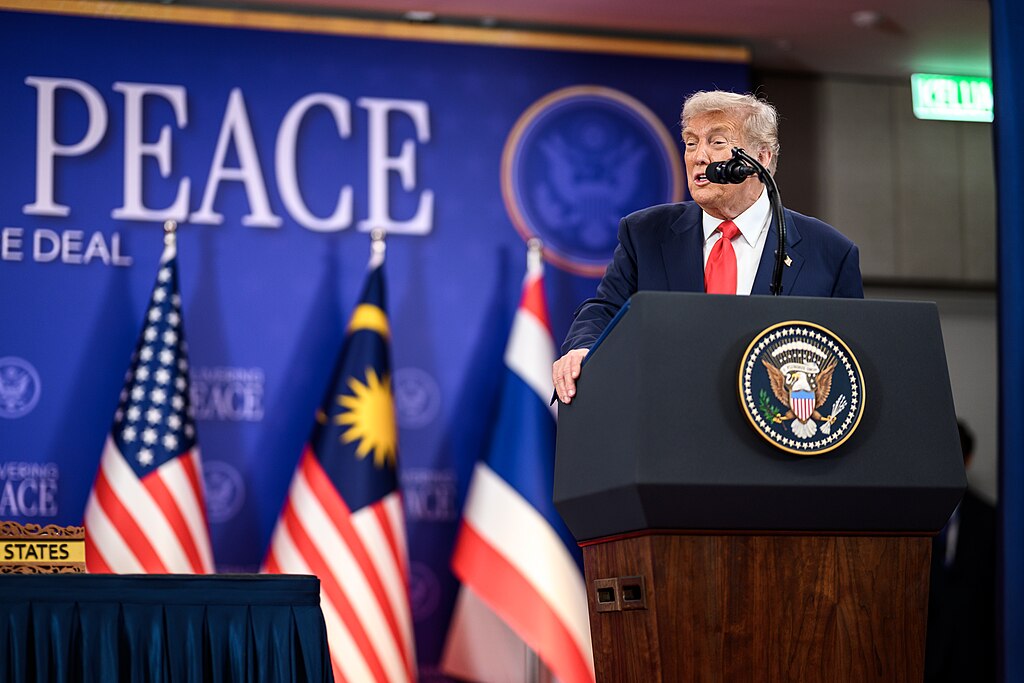
President Donald Trump sparked controversy after saying Republicans should “nationalize” and “take over” voting in at least 15 unspecified locations, repeating his long-standing and false claims that U.S. elections are plagued by widespread fraud. The remarks were made during an interview on “The Dan Bongino Show,” hosted by Trump’s former FBI Deputy Director Dan Bongino.
In the podcast, Trump again alleged without evidence that immigrants were brought into the United States to vote illegally, accusing Republicans of not being tough enough on election issues. He suggested the GOP should assert federal control over voting in certain places, claiming that some states are “crooked” and improperly counting votes. Trump did not identify the states or explain how such a takeover would occur, nor did the White House immediately respond to requests for clarification.
Trump’s comments were quickly met with resistance, including from within his own party. Republican Representative Don Bacon said on X that he opposed nationalizing elections, noting he had rejected similar proposals in the past and would do so again. State officials also pushed back. Michigan Department of State spokesperson Cheri Hardmon emphasized that the U.S. Constitution clearly gives states, not the federal government, authority over elections, calling that framework settled law.
The remarks come amid renewed attention on Trump’s continued claims that the 2020 election was stolen, allegations that have been repeatedly dismissed by courts, state officials, and members of his former administration. They also follow a recent FBI search of an election office in Georgia’s Fulton County related to 2020 election records. According to reports, Trump spoke by phone with some of the FBI agents involved shortly after the search, an unusual move that has drawn scrutiny.
The controversy unfolds as the United States prepares for midterm elections in November, which will decide control of Congress. Under the Constitution, elections are administered by states and local jurisdictions, a system that has long been defended as a safeguard of federalism. Trump’s renewed calls to nationalize voting are likely to intensify debate over election integrity, federal authority, and the future of U.S. democracy.













