


 Iran Mines Strait of Hormuz: Crude Oil Prices Surge Amid Middle East Tensions
  Iran's Government Remains Stable Despite U.S. and Israeli Strikes, Intelligence Shows
  Iran-U.S. Oil Tensions Escalate as Revolutionary Guards Threaten Strait of Hormuz Blockade
  RBA Set for Back-to-Back Rate Hikes, Westpac Forecasts
  Israel-Iran War: Herzog Urges Patience as U.S. and Israeli Strikes Intensify
  Gold Prices Slip as U.S.-Israel-Iran War Fuels Dollar and Oil Demand
  Russian Drone Strikes Hit Kharkiv and Dnipro, Injuring Over 20 Civilians
  China's Trade Surplus Surges Past Forecasts in Early 2026
  U.S. Solar Market Contracts in 2025 as Trump Rolls Back Renewable Energy Incentives
  Asian Markets Retreat as Oil Prices Surge Toward $100 Amid Middle East Tensions
  FBI Warns of Possible Iranian Drone Attacks on California Amid U.S.-Iran War
  Trump Administration Launches Trade Investigations Against 16 Countries Over Industrial Overcapacity
  U.S. Futures Slide as Oil Prices Surge on Middle East Shipping Attacks
  Iran-Israel War Sparks Global Oil Crisis as Tankers Burn in Gulf Waters
  Trump Doubts Iran Mining Reports as Strait of Hormuz Tensions Escalate
  Dollar Strengthens Amid Oil Price Surge and Inflation Fears
  Diesel Price Surge Threatens Global Economy Amid Middle East Conflict


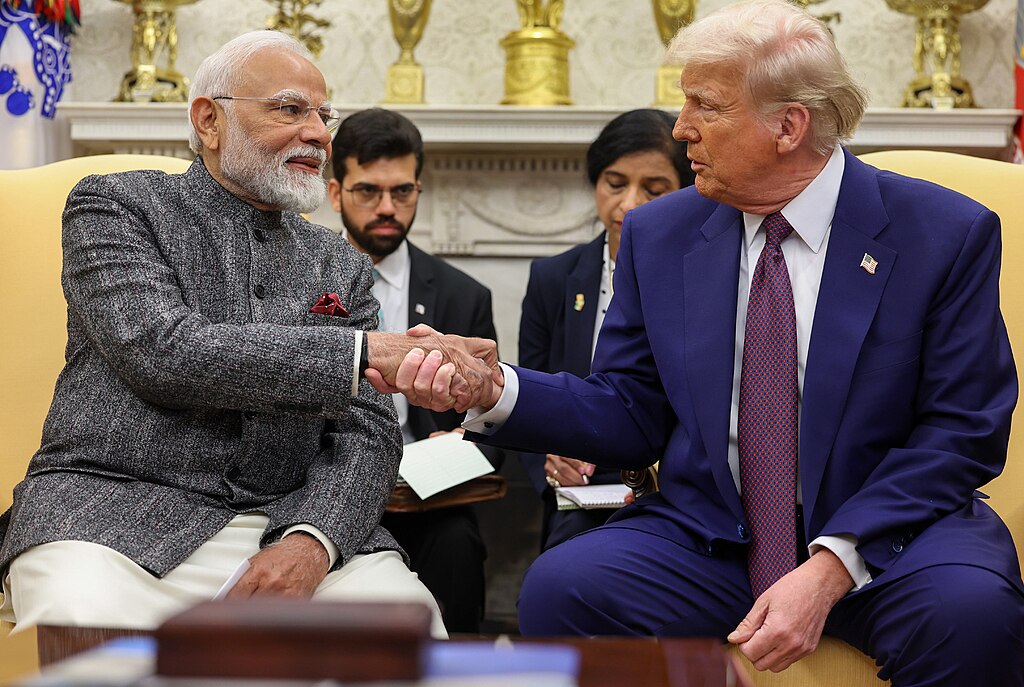
U.S. President Donald Trump announced a major U.S.–India trade deal on Monday that significantly reduces U.S. tariffs on Indian goods to 18% from a previous combined rate of 50%. The agreement, revealed after a phone call with Indian Prime Minister Narendra Modi, is aimed at reshaping trade relations, energy sourcing, and market access between the two countries while pressuring India to halt its purchases of Russian oil.
According to Trump, India has agreed to stop buying Russian crude and instead source more oil from the United States, with potential purchases from Venezuela also under consideration. A White House official confirmed that Washington would rescind an additional punitive 25% duty imposed over India’s Russian oil imports, which had been stacked on top of a 25% reciprocal tariff. While the announcement sparked optimism, key implementation details such as timelines, enforcement mechanisms, and legal proclamations have yet to be released.
Financial markets reacted positively to the news. U.S.-listed Indian stocks rallied sharply, with Infosys, Wipro, and HDFC Bank posting strong gains, while the iShares MSCI India ETF climbed about 3%. The announcement also lifted broader U.S. market sentiment, adding to gains in semiconductor and artificial intelligence stocks.
Trump said India committed to “BUY AMERICAN” at a much higher level, including more than $500 billion worth of U.S. energy products such as oil and coal, as well as technology, agricultural goods, and other exports. He also stated that India would work toward reducing tariffs and non-tariff barriers on U.S. goods to zero, a claim that has drawn both interest and skepticism from trade experts.
Indian leaders welcomed the deal. Modi thanked Trump publicly, highlighting the reduced tariff rate on “Made in India” products, while Trade Minister Piyush Goyal said the agreement would strengthen economic ties, boost exports, and improve access to U.S. technology. Economists noted that aligning India’s tariffs with other Asian economies could ease pressure on exports and the rupee after months of market underperformance.
Despite enthusiasm, U.S. business groups urged caution, noting that tariffs remain far higher than pre-2024 levels. With India also finalizing a landmark trade deal with the European Union, the U.S.–India agreement marks a pivotal moment in global trade dynamics, even as many details remain unresolved.













