


 Trump Orders DOJ Investigation Into Exxon, Chevron Over High Gas Prices
  Israeli Airstrike Kills Two in Gaza City as Ceasefire Violations and Truce Talks Persist
  Israel Cabinet Rejects Supreme Court Ruling, Sparking Constitutional Crisis Fears
  Russia Claims Capture of Kostiantynivka as Putin Pushes Donetsk Offensive
  Khamenei Funeral Draws Massive Crowds as Iran’s New Supreme Leader Remains Absent
  FIFA Suspends Balogun Ban, Clears U.S. Striker for Belgium World Cup Clash
  Russian Attacks Kill Six Across Ukraine as Kyiv Mourns Deadly Strike
  Fortescue Faces Class Action Over Sexual Harassment Claims at Australian Mining Sites
  Flavio Bolsonaro Urges Trump to Delay Brazil Tariffs Until After 2026 Election
  US Ambassador Prioritizes Cook Islands Critical Minerals, Warns of China’s Pacific Influence
  JD Vance Says Britain Needs Major Political Change as Leadership Transition Looms
  Apple Challenges India Antitrust Probe, Says CCI Copied Rivals’ Claims in App Store Case
  US Appeals Court Limits ICE Detention Without Bond Hearings After 90 Days
  China Submarine Missile Test Sparks Concern Across Asia-Pacific
  California Court Dismisses Trump Administration Lawsuit Against Los Angeles Sanctuary Policy
  Amy Coney Barrett Faces Conservative Backlash After Key Supreme Court Rulings Against Trump
  ICC Judges Sue Trump Administration Over Sanctions, Calling Measures Unlawful


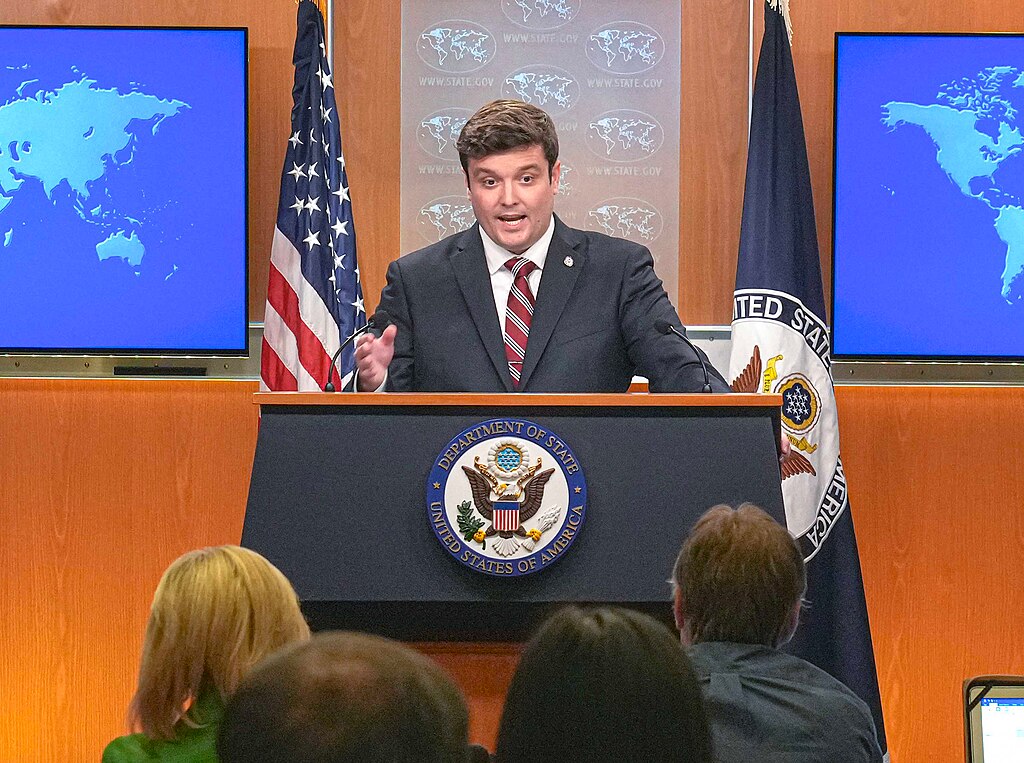
The United States has sharply criticized South Africa’s recent decision to expel Israel’s top diplomat, calling the move politically motivated and harmful to diplomatic norms. The condemnation was delivered on Tuesday by U.S. State Department Deputy Spokesperson Tommy Pigott, who said the action reflects what Washington views as South Africa prioritizing “grievance politics” over constructive international engagement.
In a statement posted on X, Pigott argued that expelling a diplomat for publicly criticizing the African National Congress’s alleged ties to Hamas and other antisemitic groups undermines open dialogue and damages South Africa’s national interests. According to the U.S., such a step risks further isolating Pretoria at a time of already heightened geopolitical tension. South Africa’s embassy in Washington has so far declined to comment on the remarks.
The diplomatic dispute escalated last Friday when South Africa declared Israel’s senior diplomat persona non grata, ordering him to leave the country within 72 hours. South African officials accused the diplomat of unacceptable violations of diplomatic norms, including making remarks they said insulted President Cyril Ramaphosa. The move marked a significant downturn in already strained Israel–South Africa relations.
Israel responded swiftly by expelling South Africa’s senior diplomatic representative, signaling a tit-for-tat escalation that underscores the depth of the rift between the two nations. Relations have been deteriorating since South Africa filed a genocide case against Israel at the International Court of Justice in 2024 over Israel’s military campaign in Gaza.
That case has drawn global attention, with several human rights organizations, legal experts, and scholars characterizing Israel’s actions in Gaza as genocide. Israel has strongly rejected those claims, maintaining that its military operations are acts of self-defense following the October 2023 Hamas-led attack.
The legal challenge has also strained South Africa’s relationship with the United States. President Donald Trump has repeatedly criticized Pretoria over the case, coupling his rhetoric with trade sanctions and an executive order last year that cut U.S. funding to South Africa. As diplomatic tensions continue to mount, analysts warn that the dispute could have lasting implications for regional stability and international relations.







