


 US Reviews Mexican Consulates Amid Rising Diplomatic Tensions
  US to Withdraw 5,000 Troops from Germany Amid Growing Rift with European Allies
  U.S.-China Beef Trade Deal Hopes Rise Ahead of Trump-Xi Summit
  Trump Expands Cuba Sanctions Targeting Key Sectors and Foreign Entities
  Israel’s Secret Iraq Base Allegedly Supported Iran Air Campaign, WSJ Reports
  New York Moves to Ban Masked Law Enforcement During Immigration Operations
  Iran Accuses U.S. of Violating Strait of Hormuz Ceasefire with Ship and Coastal Attacks
  Vietnam Plans AI-Driven Propaganda Push With Influencers and Podcasts
  US House Advances $70 Billion Immigration Enforcement Budget Plan
  Israel Expands Gaza Restricted Zones, Raising Concerns for Civilians and Aid Access
  Judge Delays SEC Settlement With Elon Musk Over Twitter Stock Disclosure Case
  Ukraine-Russia Ceasefire Confirmed as Prisoner Swap Deal Advances
  Trump Inspects Lincoln Memorial Reflecting Pool Renovation in Washington
  CDC Monitors U.S. Travelers After Hantavirus Outbreak on Luxury Cruise Ship
  US Sanctions Target Iran’s Shadow Banking Network and Terror Financing
  U.S., South Korea Launch Shipbuilding Partnership Initiative
  US Revises UN Resolution on Iran Strait of Hormuz Attacks Amid Russia-China Opposition


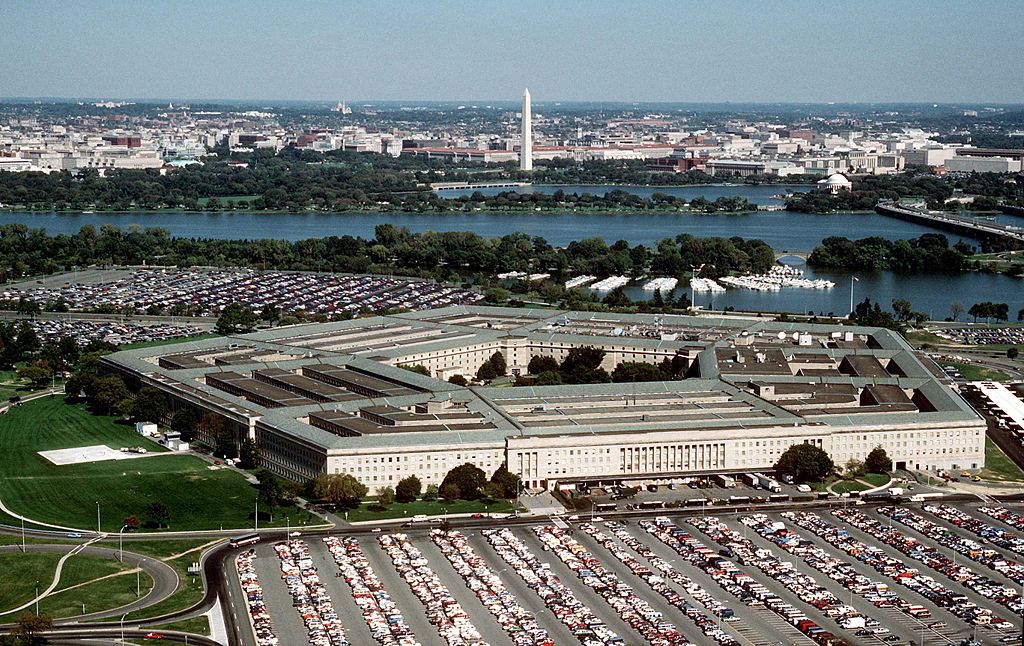
The final text of the U.S. National Defense Authorization Act (NDAA) released this week includes a significant measure aimed at reducing the Pentagon’s reliance on foreign countries—particularly China—for electronic display technology. This annual defense spending bill, which outlines funding and priorities for the U.S. military, could face a congressional vote within days after House and Senate negotiators produced the finalized version.
A key amendment in the bill would require the Department of Defense to identify its long-term needs for electronic displays, essential components found in devices ranging from smartphones and handheld military systems to advanced fighter jets. The Pentagon must map out these requirements through 2040 and develop a comprehensive strategy to eliminate dependence on China, Russia, and other geopolitical rivals for display supplies. Lawmakers expect the Pentagon to deliver a progress report on this initiative by March 2027.
If the legislation passes both chambers of Congress, it will then move to the desk of U.S. President Donald Trump for final approval. The push to secure domestic and allied production of display technology comes amid growing national security concerns. Experts warn that China’s rapid expansion in the global display market—driven by major manufacturers like BOE, which now supplies companies such as Apple—has weakened the competitive position of long-standing U.S. allies including Japan and South Korea. This shift raises questions about whether the U.S. military could reliably source critical display components in the event of geopolitical tensions or conflict.
The NDAA provision reflects increasing efforts to strengthen American supply chains and safeguard access to essential technologies. By targeting electronic displays, lawmakers aim to reduce vulnerabilities and ensure that U.S. defense capabilities are not compromised by foreign dependence.







