


 29 US states are suing Meta. What might it mean for the rest of the world?
  Meta Agrees to $18 Billion Settlement, Tightens Teen Social Media Rules
  US, Australia Pledge $580 Million for Pacific Islands
  Honduras Court Drops Charges Against Ex-President Juan Orlando Hernandez
  SEC Moves to Dismiss Insider Trading Case Against Trump-Pardoned Terren Peizer
  U.S., New Zealand Fund $60M Cook Islands Port Upgrade
  Maduro Seeks Dismissal of US Drug Trafficking Charges
  Australia, US Move to Expand Defence Ties in Indo-Pacific
  US Strikes Iran as Tehran Retaliates, Oil Prices Surge
  Prince Harry, Elton John Ordered to Pay £9.54 Million in Daily Mail Legal Costs
  Bashar al-Assad Sentenced to Death by Syrian Court
  US Sailor’s Father Detained by Immigration Authorities
  Trump Orders Reduction in U.S.-South Korea Military Drills, Citing Kim Jong Un Ties
  New Mexico Sues DOJ Over Unredacted Jeffrey Epstein Files Amid Ongoing Investigation
  Trump Reviews U.S. Position on Falkland Islands
  CK Hutchison Seeks $1.5 Billion From Panama Over Canal Ports


 Add as a preferred source on Google
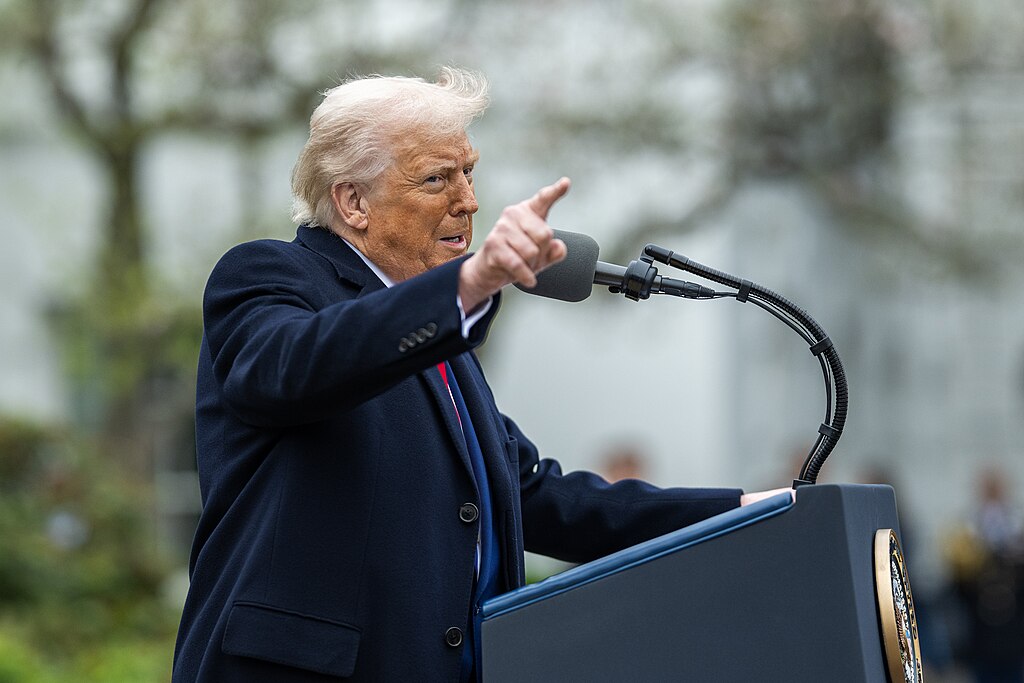
A federal judge in Minnesota has declined to order an immediate halt to President Donald Trump’s expanded immigration enforcement operation in Minneapolis, dealing a setback to state and local officials who accuse federal agents of widespread civil rights violations. The ruling allows U.S. Immigration and Customs Enforcement and other Department of Homeland Security agencies to continue their activities in the Twin Cities despite ongoing legal challenges.
U.S. District Judge Kate Menendez acknowledged that Minnesota officials presented compelling evidence that federal immigration tactics have had “profound and even heartbreaking consequences” for residents. The lawsuit, led by Minnesota Attorney General Keith Ellison and joined by the City of Minneapolis, alleges racial profiling, unlawful detention of citizens and lawful residents, and excessive force by federal agents. The case also cites two fatal shootings of U.S. citizens by immigration officers, incidents that sparked weeks of protests and national attention.
Despite these concerns, Judge Menendez said the request to halt the entire federal operation went too far. She pointed to a recent federal appeals court decision that overturned a narrower injunction limiting immigration agents’ interactions with protesters in Minnesota. In her written order, Menendez stated that if a limited injunction was deemed excessive, stopping the full enforcement effort would be even less justified.
The Trump administration defended the immigration surge, saying it is a lawful effort to enforce federal immigration laws. Administration officials have argued that Minnesota’s “sanctuary” policies hinder enforcement and suggested the operation could end if the state rolled back legal protections for undocumented immigrants. U.S. Attorney General Pam Bondi praised the ruling as a major victory, saying federal law enforcement would not be blocked by litigation or local resistance.
Minneapolis Mayor Jacob Frey expressed disappointment but said the city will continue pursuing the lawsuit, emphasizing the fear and disruption residents say they have experienced. Meanwhile, tensions remain high as questions persist over the use of force by federal agents and their refusal to cooperate with local investigations. The case highlights a broader national debate as Trump continues deploying federal law enforcement to Democratic-led cities in the name of immigration enforcement and public safety.







