


 Russian Drone Strikes Hit Kharkiv and Dnipro, Injuring Over 20 Civilians
  U.S. Patriot Missiles Redeployed From South Korea Amid Middle East Conflict
  Iran's Government Remains Stable Despite U.S. and Israeli Strikes, Intelligence Shows
  Mexico's Electoral Reform Bill Fails in Congress as Coalition Fractures
  Pentagon Taps Wall Street Talent to Manage $200 Billion Defense Investment Fund
  Trump Administration Launches Trade Investigations Against 16 Countries Over Industrial Overcapacity
  Boeing Secures $289 Million Smart Bomb Contract With Israel
  Venezuela Names Paula Henao as New Oil Minister Amid U.S.-Led Industry Overhaul
  Trump Announces New U.S. Oil Refinery in Texas with Indian Energy Giant Reliance
  U.S. and Russia Hold Diplomatic Talks in Florida Amid Ongoing Tensions
  U.S. Senate Greenlights AI Chatbots for Official Staff Use
  Israel-Iran War: Herzog Urges Patience as U.S. and Israeli Strikes Intensify
  Bipartisan Housing Bill Advances in Senate, Aims to Tackle U.S. Affordability Crisis
  Iran Mines Strait of Hormuz: Crude Oil Prices Surge Amid Middle East Tensions
  U.S.-Israel War on Iran Sends Crude Oil Prices Surging Amid Strait of Hormuz Tensions
  Trump Administration Spent $5.6 Billion in Munitions in Opening Days of Iran Strikes
  Trump Hints at Possible U.S. Takeover of Cuba Amid Deepening Humanitarian Crisis


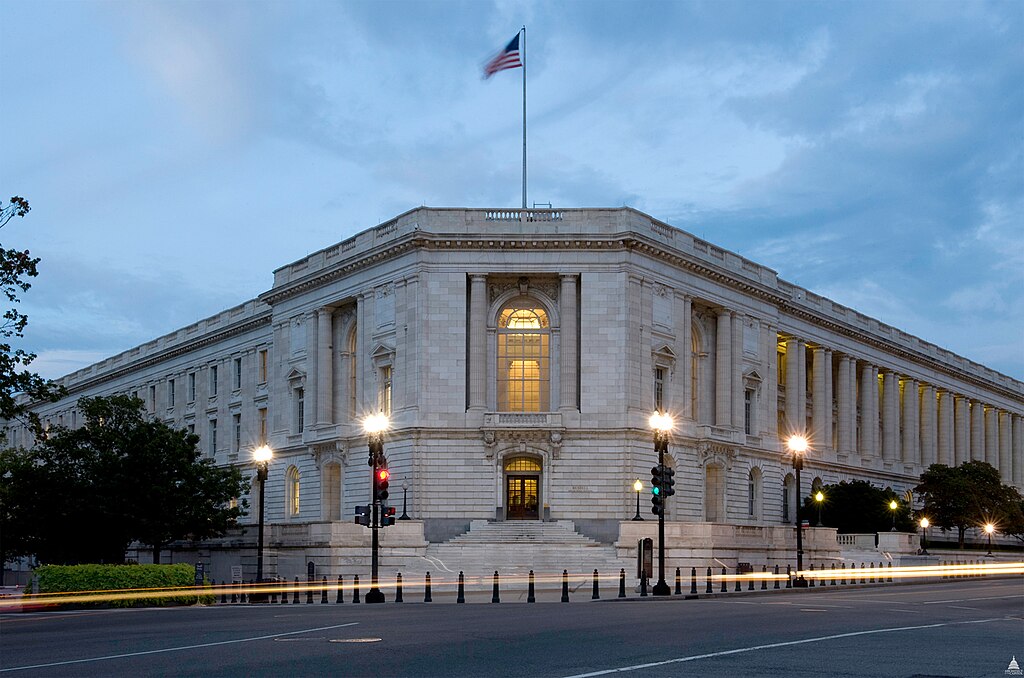
The U.S. government entered a partial shutdown early Saturday after Congress failed to finalize a funding agreement before a midnight deadline, temporarily halting a range of federal operations. The shutdown officially took effect at 12:01 a.m. Eastern time, though lawmakers expect the disruption to be short-lived.
After several hours of delay, the Senate passed a bipartisan spending package by a vote of 71–29. However, the House of Representatives was already out of session and is not expected to vote on the measure until Monday, according to a Republican leadership aide. Until the House acts, parts of the federal government will remain unfunded.
Despite the lapse, both Democrats and Republicans have emphasized that the shutdown is likely to be brief. Leaders from both parties have worked to prevent ongoing debates over immigration enforcement from significantly disrupting broader government operations. This approach contrasts sharply with the prolonged shutdown last fall, when disputes over healthcare policy led to a record 43-day government shutdown that cost the U.S. economy an estimated $11 billion.
According to the Congressional Research Service, the federal government has experienced 10 funding gaps of three days or fewer since 1977, most of which had minimal impact on daily life. The current situation follows a similar pattern, with expectations that normal operations will resume quickly once the House approves the Senate-backed deal.
The spending package passed by the Senate separates funding for the Department of Homeland Security from other federal agencies. This allows Congress to keep agencies such as the Pentagon and the Department of Labor operating while lawmakers continue negotiations over potential restrictions on federal immigration enforcement tactics.
The immigration debate intensified after the recent shooting death of nurse Alex Pretti in Minneapolis, allegedly involving federal immigration agents. The incident sparked public outrage and added pressure on lawmakers to consider reforms. Democrats are pushing for measures such as ending roving patrols, requiring body cameras, banning face masks for agents, and mandating judicial warrants for searches. Republicans have signaled openness to some proposals.
Under the Senate plan, DHS funding would be extended for two weeks, giving negotiators additional time to reach a compromise while aiming to swiftly end the government shutdown and restore full federal operations.













