


 U.S.-China Beef Trade Deal Hopes Rise Ahead of Trump-Xi Summit
  Trump Inspects Lincoln Memorial Reflecting Pool Renovation in Washington
  Judge Delays SEC Settlement With Elon Musk Over Twitter Stock Disclosure Case
  Trump Administration Releases New UFO Files and Apollo Mission Records
  Israel’s Secret Iraq Base Allegedly Supported Iran Air Campaign, WSJ Reports
  U.S. Flags Vietnam as “Priority Foreign Country” Over Intellectual Property Concerns
  UN Experts Condemn Trump’s Cuba Fuel Blockade Amid Deepening Energy Crisis
  TikTok Nears $400 Million Settlement With Trump Administration Over Child Privacy Lawsuit
  Federal and State Authorities Conduct Widespread Fraud Raids Across Minnesota
  Australia Targets Meta, Google, and TikTok With New News Payment Tax Proposal
  China-Made Fireworks Power U.S. Independence Day Celebrations Amid Trade Truce
  CDC Monitors U.S. Travelers After Hantavirus Outbreak on Luxury Cruise Ship
  Senate Stablecoin Bill Sparks Clash Between Banks and Crypto Industry
  US Revises UN Resolution on Iran Strait of Hormuz Attacks Amid Russia-China Opposition
  Iran Accuses U.S. of Violating Strait of Hormuz Ceasefire with Ship and Coastal Attacks
  U.S., South Korea Launch Shipbuilding Partnership Initiative
  Russia Downs Over 50 Drones Near Moscow Ahead of Victory Day Ceasefire


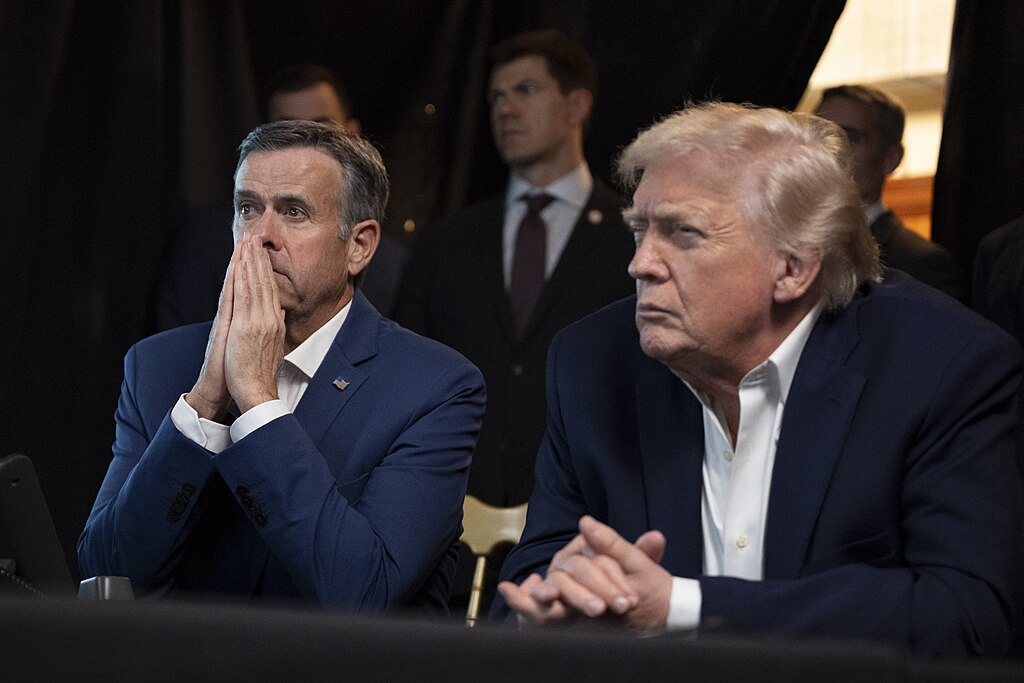
U.S. President Donald Trump said on Saturday that he has instructed the Department of Homeland Security (DHS) to stay out of protests in Democratic-led cities unless local leaders request federal assistance or federal property is at risk. The directive comes amid escalating protests and unrest tied to the Trump administration’s aggressive immigration enforcement actions, particularly in Minnesota.
The announcement follows weeks of demonstrations sparked by the deployment of thousands of U.S. Immigration and Customs Enforcement (ICE) and Border Patrol agents to the Minneapolis area. Tensions intensified after two U.S. citizens, Renee Good and Alex Pretti, were fatally shot by federal agents. Authorities claimed the agents acted in self-defense, but bystander videos circulating online have raised serious questions. Footage of Pretti’s death, verified by Reuters, appears to contradict claims that he brandished a weapon before being shot.
Protests have grown as activists and community members in Minneapolis and other cities attempt to closely monitor immigration raids and federal law enforcement activity. Thousands took to the streets on Friday demanding the withdrawal of ICE and Border Patrol from Minnesota, arguing that the federal presence has increased violence and fear rather than improving public safety.
While Trump’s order suggests DHS should avoid direct confrontations with protesters during street demonstrations or raids, the president emphasized that federal officers will continue to act forcefully to defend federal buildings and courthouses. In a social media post, Trump said the administration would not allow any damage to federal property “in any way, shape, or form.”
Trump also placed responsibility on state and local governments to protect their own facilities, while urging them to assist in safeguarding federal assets. He said the federal government would intervene only if requested, promising any response would be handled “easily and methodically.”
The Trump administration has previously deployed federal law enforcement and National Guard units to cities such as Los Angeles, Chicago, Washington, D.C., and Portland, arguing the moves are necessary to enforce immigration laws and curb crime. Local leaders in many of those cities, including Minnesota officials, have strongly disputed that claim.
On Saturday, a federal judge denied a request from Minnesota Attorney General Keith Ellison and other officials to temporarily halt the federal immigration operation, allowing the crackdown to continue despite mounting opposition.







