


 Big Tech Signs White House Pledge to Fund Power for AI Data Centers
  Amazon Invests $535 Million in Brisbane Robotics Fulfillment Center
  Oracle Stock Surges as AI Data Center Boom Drives Revenue Beat and Bullish 2027 Outlook
  Anduril Industries Acquires ExoAnalytic Solutions to Bolster Space Defense Capabilities
  Microsoft Backs Anthropic in Legal Fight Against Pentagon's AI Blacklist
  FAA Pushes for Further Flight Reductions at Chicago O’Hare Ahead of Busy Summer 2026
  OpenAI Pentagon AI Contract Adds Safeguards Amid Anthropic Dispute
  Broadcom Stock Jumps After Strong Earnings Beat and Bullish AI Revenue Outlook
  Amazon Engineers Investigate AI-Linked Outages as GenAI Coding Tools Raise Reliability Concerns
  Venezuela Opens Mining Sector to Foreign Investment Under New Law
  US Lawmakers Raise Security Concerns Over Intel Testing ACM Research Chipmaking Tools
  Trump Replaces DHS Secretary Kristi Noem With Sen. Markwayne Mullin After Senate Criticism
  Indonesia Issues Stern Warning to Meta Over Online Gambling and Disinformation
  Senators Urge Better Coordination After Texas Counter-Drone Incidents Disrupt Airspace
  UK Regulators Demand Social Media Platforms Strengthen Children's Age Verification
  California Court Rejects xAI Bid to Block AI Data Transparency Law
  Morgan Stanley Limits Withdrawals at Private Credit Fund Amid Market Turmoil


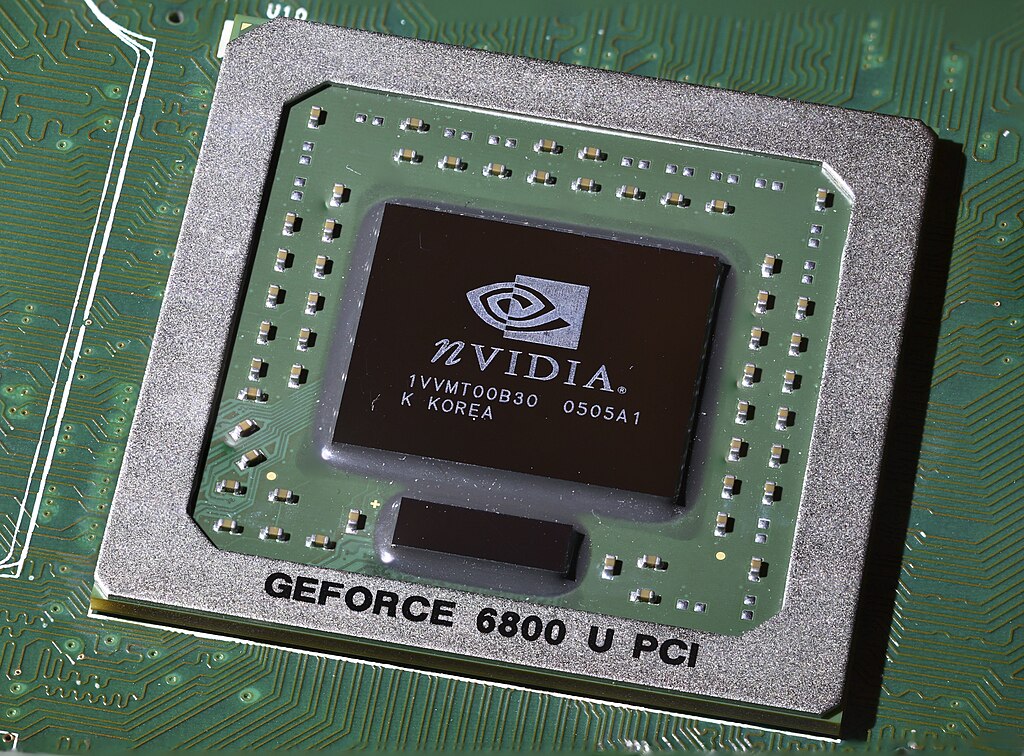
China has approved its first batch of Nvidia’s H200 artificial intelligence chips for import, signaling a notable adjustment in the country’s approach to balancing advanced AI development with support for domestic technology initiatives. According to two sources familiar with the matter who spoke to Reuters, the approval was granted during Nvidia CEO Jensen Huang’s visit to China this week, highlighting the importance of high-level engagement in easing technology trade constraints.
The initial approval reportedly covers several hundred thousand Nvidia H200 chips, one of the company’s most advanced AI accelerators designed for data centers and large-scale artificial intelligence workloads. These chips are particularly valued for training and running generative AI models, making them strategically important for companies racing to stay competitive in the global AI sector. The move suggests that Chinese authorities recognize an immediate need for cutting-edge AI hardware, even as the country continues to invest heavily in building its own semiconductor ecosystem.
Sources indicated that the first batch of H200 chip import approvals has been allocated primarily to three major Chinese internet companies. While the identities of these firms were not disclosed due to the sensitivity of the issue, they are believed to be among China’s largest players in cloud computing, artificial intelligence, and digital services. Other Chinese enterprises are now reportedly lining up to seek similar approvals in subsequent batches, reflecting strong demand for Nvidia’s AI chips across multiple industries.
The decision comes at a time when China is navigating complex geopolitical and regulatory challenges surrounding advanced semiconductor technology, particularly amid ongoing U.S. export controls. By selectively approving imports of high-performance AI chips like the Nvidia H200, China appears to be taking a pragmatic approach that supports near-term innovation while continuing to encourage long-term domestic chip development.
At the time of publication, China’s industry and commerce ministries, as well as Nvidia, had not responded to requests for comment. Nonetheless, the approval marks an important development in the global AI supply chain and underscores Nvidia’s continued relevance in China’s rapidly evolving artificial intelligence landscape.













