


 AWS Data Center Overheating Disrupts Cloud Services in Northern Virginia
  Anthropic’s $1.5B AI Venture with Wall Street Firms Targets Private Equity Market
  U.S. Flags Vietnam as “Priority Foreign Country” Over Intellectual Property Concerns
  Judge Delays SEC Settlement With Elon Musk Over Twitter Stock Disclosure Case
  Apple Explores Intel and Samsung Partnerships to Diversify Chip Supply Chain
  Lufthansa Q1 Loss Narrows as Strong Summer Travel Demand Boosts Outlook
  Hua Hong Semiconductor Stock Surges to Multi-Year High Amid AI Boom
  Meta Raises 2026 Capex Outlook Amid AI Spending Surge, Shares Drop After Earnings
  Panama Defends Port Takeover Amid U.S.-China Tensions and Canal Dispute
  UOB Q1 Profit Meets Expectations as Loan Growth Offsets Lower Interest Rates
  BHP Attracts AI-Focused Investors as Copper Demand Surges
  Dell Stock Hits Record High After Trump Endorsement, AI Server Demand Fuels Rally
  Novo Nordisk Raises 2026 Outlook on Strong Wegovy Demand
  AI-Driven Inflation Raises U.S. Consumer Prices, Goldman Sachs Says
  Supermicro Forecasts Strong Q4 Revenue Growth as AI Server Demand Surges
  Rubio Approves $25.8 Billion Weapons Sale to Middle East Allies
  FEMA Reinstates Employees After Dissent Letter, Signaling Shift in Workforce Stability


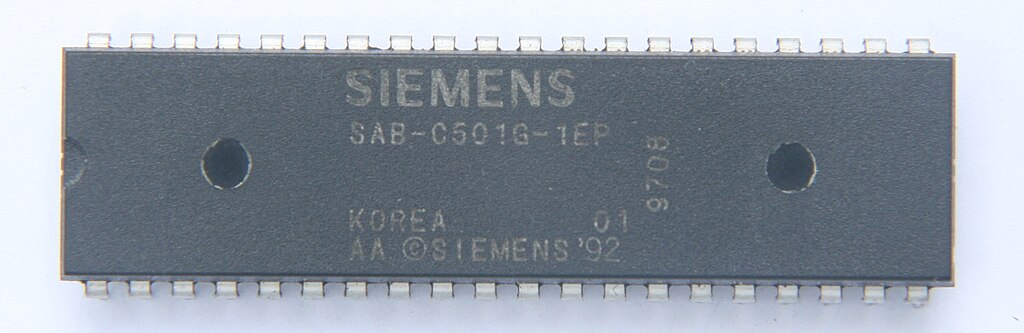
Siemens AG has reportedly received a notice from the U.S. government confirming the removal of export restrictions on its chip design software for use in China, according to Bloomberg News. The decision marks a notable shift in U.S. trade policy amid ongoing tensions with China over access to advanced semiconductor technologies.
The initial export controls, introduced to curb China's development of cutting-edge chips, had affected companies like Siemens that supply essential electronic design automation (EDA) tools. These tools are crucial for developing semiconductors used in a wide range of industries, from telecommunications to automotive technology.
The lifting of restrictions could offer Siemens renewed access to a key market and potentially unlock business opportunities in China’s rapidly growing tech sector. It also suggests the U.S. may be selectively easing certain rules to balance national security concerns with commercial interests.
While Washington continues to enforce broad chip export controls against China, the exemption granted to Siemens indicates a more nuanced regulatory approach. Analysts believe this could benefit both U.S.-allied tech firms and global supply chain dynamics, particularly in semiconductor design and manufacturing.
Siemens has not issued an official statement, and the U.S. Commerce Department has yet to comment on the matter. However, the development is likely to draw attention from the global semiconductor industry, which closely monitors policy changes that impact cross-border technology flows.
As chip demand continues to rise globally, especially for AI and advanced computing, easing some export restrictions could support innovation while maintaining oversight on sensitive technologies. This latest move may signal more targeted licensing decisions ahead as governments aim to support strategic industries without compromising security.







