


 Missouri Judge Dismisses Lawsuit Challenging Starbucks’ Diversity and Inclusion Policies
  Trump Lifts 25% Tariff on Indian Goods in Strategic U.S.–India Trade and Energy Deal
  Jack Lang Resigns as Head of Arab World Institute Amid Epstein Controversy
  Ohio Man Indicted for Alleged Threat Against Vice President JD Vance, Faces Additional Federal Charges
  Federal Judge Restores Funding for Gateway Rail Tunnel Project
  U.S.-India Trade Framework Signals Major Shift in Tariffs, Energy, and Supply Chains
  Trump Signs Executive Order Threatening 25% Tariffs on Countries Trading With Iran
  Antonio José Seguro Poised for Landslide Win in Portugal Presidential Runoff
  China Warns US Arms Sales to Taiwan Could Disrupt Trump’s Planned Visit
  Japan Election 2026: Sanae Takaichi Poised for Landslide Win Despite Record Snowfall
  New York Legalizes Medical Aid in Dying for Terminally Ill Patients
  U.S. to Begin Paying UN Dues as Financial Crisis Spurs Push for Reforms
  US Pushes Ukraine-Russia Peace Talks Before Summer Amid Escalating Attacks
  Netanyahu to Meet Trump in Washington as Iran Nuclear Talks Intensify
  India–U.S. Interim Trade Pact Cuts Auto Tariffs but Leaves Tesla Out
  Trump Backs Nexstar–Tegna Merger Amid Shifting U.S. Media Landscape


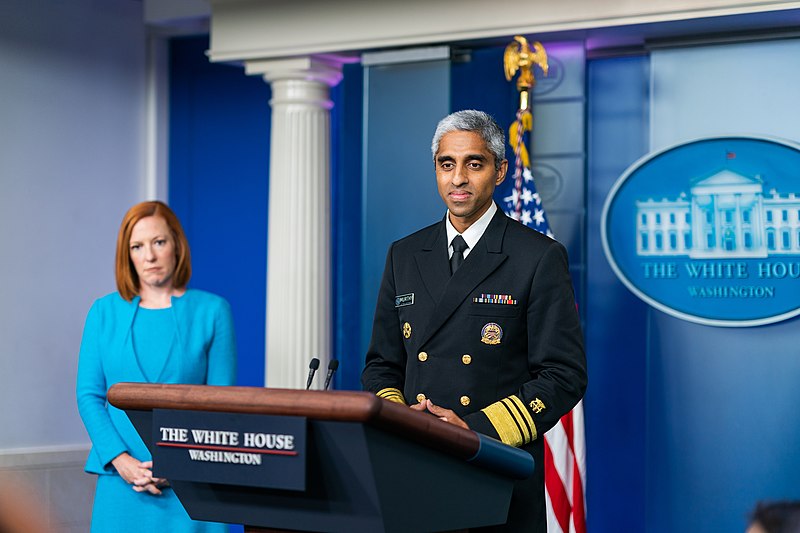
US President Joe Biden is set to nominate Surgeon General Vivek Murthy to become the US representative to the World Health Organization’s executive board. Murthy’s nomination to the WHO executive panel is subject to approval by the Senate.
Biden administration officials told Reuters Tuesday that Biden intends to nominate Murthy to represent the US in the WHO executive panel. Murthy, who has also served as Surgeon General under former President Barack Obama, will continue in his position even if confirmed by the Senate for the WHO.
Should Murthy be confirmed by the Senate, he will still remain in Washington with his family but will travel to Geneva when needed to fulfil the duties in the role as US envoy to the WHO.
“With his experience and expertise, the president is confident that Dr. Murthy will build on his commitment to an era of relentless diplomacy by representing our nation on the world stage,” said the official.
“Rejoining the WHO requires an experienced and seasoned physician and public health expert” that can expand on Washington’s commitment to global health, the official added.
“If confirmed, I will continue to elevate US leadership on the global stage and ensure public health is at the forefront of our planning and preparation for global challenges,” said Murthy in a statement to Reuters.
Biden pledged for the US to re-engage with the World Health Organization when he took office in 2021 after his predecessor Donald Trump said in 2020 that the US would withdraw from the WHO over its response to the COVID-19 pandemic.
The White House said Wednesday that Biden has called on his administration and on Congress to find ways to boost US energy production and reduce OPEC’s control over energy prices following the cartel’s production cut.
The Saudi Arabia-led OPEC cartel, during a meeting in Vienna on the same day, ignored Washington’s pleas to continue the flow of oil, agreeing to cut output by two million barrels a day.
The move was met with criticism from Biden, underlining the growing rift between the US and Saudi Arabia on energy policy.
National Security Adviser Jake Sullivan and National Economic Council Director Brian Deese issued a statement saying the decision by OPEC+ was “shortsighted” as the global economy still struggles with the negative impacts brought on by Russia’s invasion of Ukraine.













