


 Boeing Secures $289 Million Smart Bomb Contract With Israel
  Trump Administration Launches Trade Investigations Against 16 Countries Over Industrial Overcapacity
  U.S. Patriot Missiles Redeployed From South Korea Amid Middle East Conflict
  Russian Drone Strikes Hit Kharkiv and Dnipro, Injuring Over 20 Civilians
  Iran's Government Remains Stable Despite U.S. and Israeli Strikes, Intelligence Shows
  Israel-Iran War: Herzog Urges Patience as U.S. and Israeli Strikes Intensify
  Trump Administration Spent $5.6 Billion in Munitions in Opening Days of Iran Strikes
  Trump Hints at Possible U.S. Takeover of Cuba Amid Deepening Humanitarian Crisis
  FBI Warns of Possible Iranian Drone Attacks on California Amid U.S.-Iran War
  Bipartisan Housing Bill Advances in Senate, Aims to Tackle U.S. Affordability Crisis
  Trump-Putin Call Addresses Iran War, Ukraine Peace, and Global Oil Crisis
  Japan's BOJ Independence Under Fire as PM Takaichi's Rate Stance Draws Political Heat
  U.S.-Israel War on Iran Sends Crude Oil Prices Surging Amid Strait of Hormuz Tensions
  Trump Announces New U.S. Oil Refinery in Texas with Indian Energy Giant Reliance
  Anthropic Sues Pentagon Over AI Blacklist, Citing Free Speech Violations
  Shots Fired at U.S. Consulate in Toronto in Suspected National Security Incident


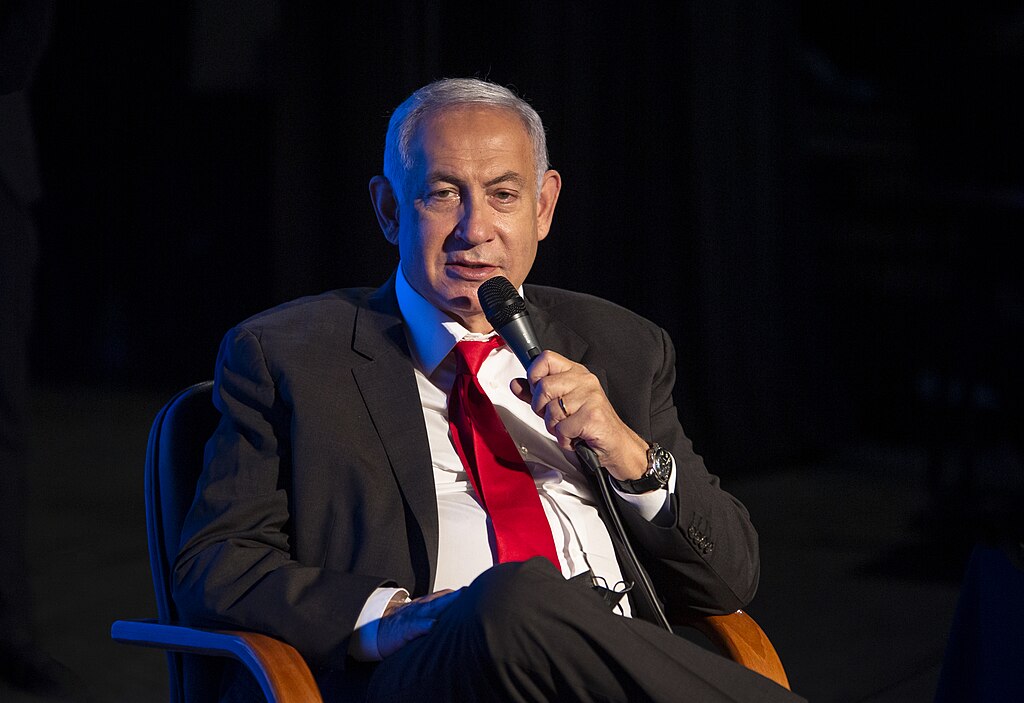
Israeli Prime Minister Benjamin Netanyahu is expected to meet U.S. President Donald Trump in Washington on Wednesday, with Iran’s nuclear program and regional security topping the agenda. The meeting comes amid renewed diplomatic engagement between the United States and Iran, raising global attention on the future of negotiations and the risk of further conflict in the Middle East.
According to Netanyahu’s office, the talks will focus on ongoing negotiations with Iran following indirect nuclear discussions held in Muscat, Oman, on Friday. Iranian and U.S. officials confirmed that additional talks are expected soon, signaling cautious momentum after years of tension. However, key disagreements remain unresolved, particularly over Iran’s uranium enrichment activities and its ballistic missile program.
A regional diplomat briefed on the Muscat talks told Reuters that Iran firmly asserted its “right to enrich uranium” during discussions with U.S. representatives. Iranian officials also made clear that Tehran’s missile capabilities were not part of the talks and have consistently ruled out any negotiations over missiles, which form one of the largest arsenals in the Middle East. Iran has long sought international recognition of its enrichment rights, a position that continues to clash with U.S. and Israeli demands.
Netanyahu’s office said the Israeli leader believes any meaningful agreement must include strict limits on Iran’s ballistic missiles and an end to its support for regional allies, often referred to as the Iranian axis. This stance underscores Israel’s security concerns and its push for a broader framework beyond nuclear issues alone.
Wednesday’s meeting will mark the seventh encounter between Netanyahu and Trump since the U.S. president returned to office in January last year. Although the leaders were initially expected to meet on February 18, the talks were moved forward, coinciding with the renewed diplomatic activity involving Iran.
Tensions remain high following last June’s U.S.-Israeli military campaign targeting Iran’s uranium enrichment and nuclear facilities, the most direct U.S. military action against Tehran to date. Iran retaliated with a missile strike on a U.S. base in Qatar, escalating fears of a wider regional war. With oil-producing Gulf states watching closely, world powers remain concerned that a collapse in negotiations could ignite another dangerous conflict across the Middle East.













