


 Judge Rules DOGE Humanities Grant Cuts Unconstitutional
  Trump Says U.S. Navy Destroyers Passed Strait of Hormuz Under Iranian Fire
  Trump Reportedly Approves Plan to Remove FDA Commissioner Marty Makary Amid Growing Controversies
  US to Withdraw 5,000 Troops from Germany Amid Growing Rift with European Allies
  Vietnam Plans AI-Driven Propaganda Push With Influencers and Podcasts
  Medicare to Cover GLP-1 Weight-Loss and Diabetes Drugs Starting July 1
  Australia Targets Meta, Google, and TikTok With New News Payment Tax Proposal
  New York Moves to Ban Masked Law Enforcement During Immigration Operations
  Trump-Xi Beijing Summit to Focus on Trade, Taiwan, and Boeing Deal
  Russia Downs Over 50 Drones Near Moscow Ahead of Victory Day Ceasefire
  Senate Stablecoin Bill Sparks Clash Between Banks and Crypto Industry
  China Banks Halt New Loans to Sanctioned Refineries Amid U.S.-Iran Oil Crackdown
  Trump Administration Dismisses Entire National Science Board, Raising Concerns Over Scientific Independence
  Panama Defends Port Takeover Amid U.S.-China Tensions and Canal Dispute
  Rubio Approves $25.8 Billion Weapons Sale to Middle East Allies
  U.S.-China Beef Trade Deal Hopes Rise Ahead of Trump-Xi Summit
  Ukraine-Russia Ceasefire Confirmed as Prisoner Swap Deal Advances


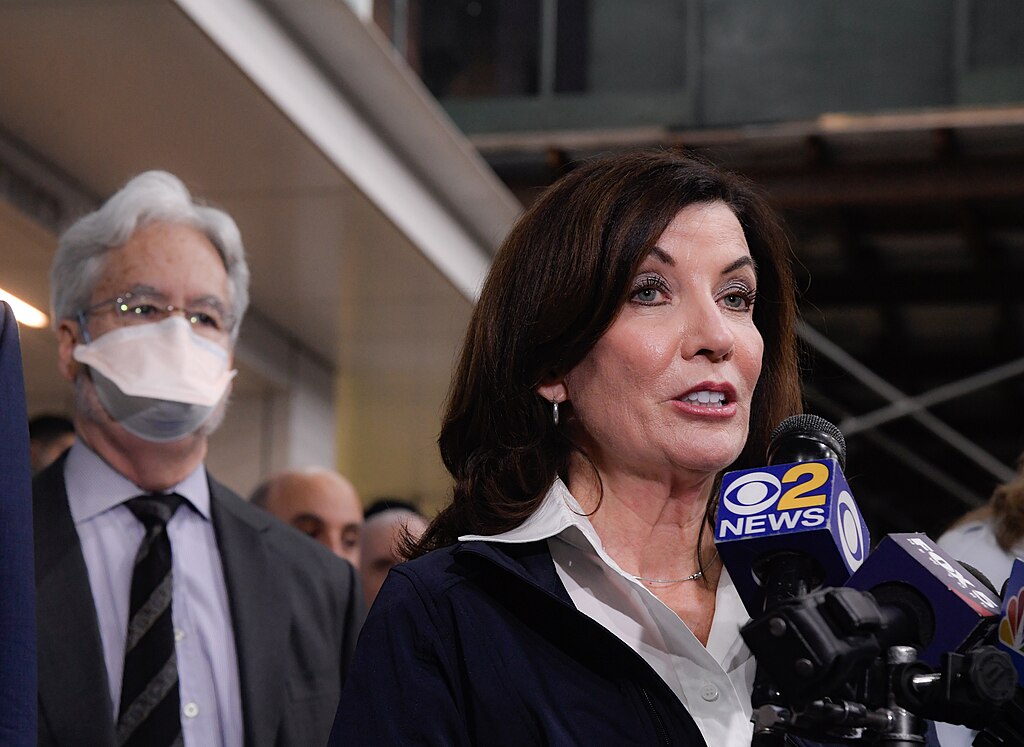
New York has officially joined a growing number of U.S. states allowing medical aid in dying after Governor Kathy Hochul signed landmark legislation into law on Friday. The new New York medical aid in dying law permits terminally ill residents with a prognosis of six months or less to receive prescribed medication to peacefully end their lives, marking a major shift in end-of-life care policy in the state.
Governor Hochul emphasized that the law includes strict safeguards to protect vulnerable patients and uphold ethical medical standards. The legislation requires multiple layers of consent and oversight to ensure that patients are not pressured or coerced into choosing assisted suicide. A mandatory five-day waiting period must pass between when the prescription is written and when it can be filled, and patients must undergo mental health evaluations to confirm they are making an informed and voluntary decision.
Importantly, the law makes participation voluntary for healthcare providers. No doctor, nurse, or religiously affiliated health facility is required to offer or participate in medical aid in dying, preserving freedom of conscience within the healthcare system. Eligibility is also limited to New York residents, preventing the state from becoming a destination for assisted suicide.
In a statement, Hochul said the legislation reflects New York’s commitment to personal freedom and bodily autonomy, including the right of terminally ill individuals to end their lives with dignity and compassion. The move represents a reversal from a 2017 decision by New York’s Court of Appeals, which ruled that physician-assisted suicide was illegal under state law.
With this change, New York becomes the 13th state, along with the District of Columbia, to allow assisted suicide. Oregon was the first to legalize medical aid in dying in 1994, setting a precedent that other states have gradually followed.
Advocacy organizations welcomed the decision. End of Life Choices New York called the law a major milestone in the fight for patient choice and dignity. Executive Director Mandi Zucker said the group plans to launch a statewide education campaign over the next six months to help patients, families, and healthcare providers understand how the law works and who qualifies.
The new law is expected to significantly influence end-of-life care discussions across the state, offering terminally ill New Yorkers an additional option focused on autonomy, comfort, and compassion.







