


 U.S. Markets Slip Amid Iran Conflict Uncertainty as Oil Prices Retreat
  Dollar Strengthens Amid Oil Price Surge and Inflation Fears
  German Exports Drop 2.3% in January, Exceeding Forecast Decline
  Iran-Israel War Sparks Global Oil Crisis as Tankers Burn in Gulf Waters
  China's Trade Surplus Surges Past Forecasts in Early 2026
  Bipartisan Housing Bill Advances in Senate, Aims to Tackle U.S. Affordability Crisis
  Trump Hints at Possible U.S. Takeover of Cuba Amid Deepening Humanitarian Crisis
  Trump Administration Spent $5.6 Billion in Munitions in Opening Days of Iran Strikes
  U.S. Patriot Missiles Redeployed From South Korea Amid Middle East Conflict
  Pentagon Taps Wall Street Talent to Manage $200 Billion Defense Investment Fund
  Iran-U.S. Oil Tensions Escalate as Revolutionary Guards Threaten Strait of Hormuz Blockade
  Russian Drone Strikes Hit Kharkiv and Dnipro, Injuring Over 20 Civilians
  U.S.-Israel War on Iran Sends Crude Oil Prices Surging Amid Strait of Hormuz Tensions
  U.S. and Russia Hold Diplomatic Talks in Florida Amid Ongoing Tensions
  Gold Prices Slip as U.S.-Israel-Iran War Fuels Dollar and Oil Demand
  IEA Plans Record Emergency Oil Release Amid Iran Strait of Hormuz Crisis
  ANZ and Westpac Forecast Two RBA Rate Hikes in March and May 2026


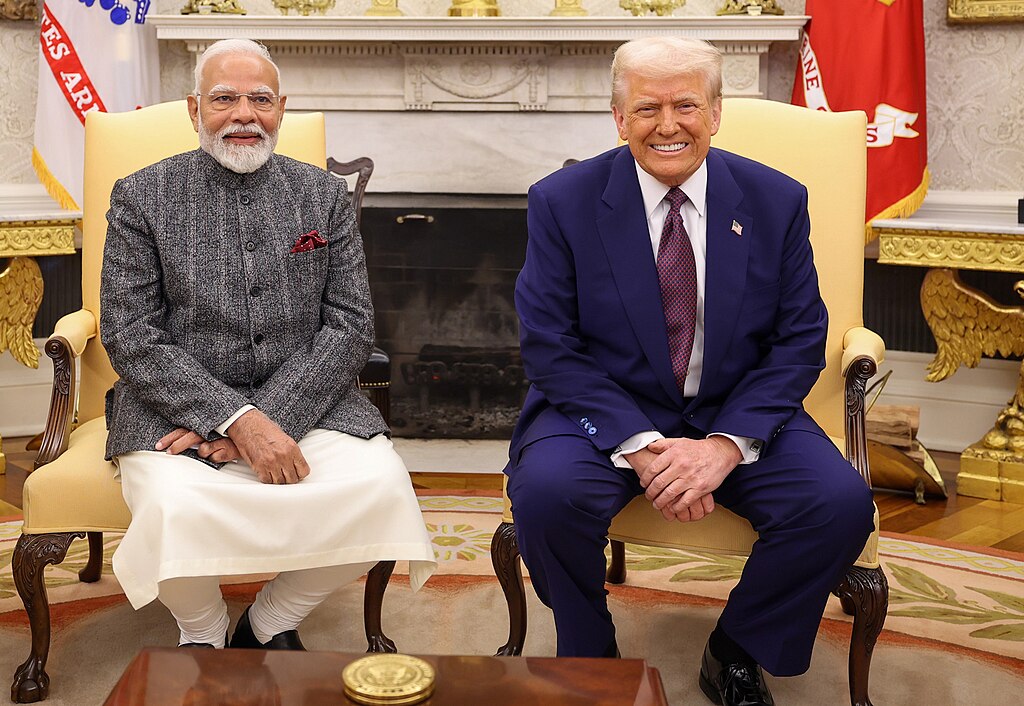
The United States and India have taken a significant step toward a long-anticipated bilateral trade agreement by releasing an interim trade framework aimed at lowering tariffs, reshaping energy ties, and strengthening economic cooperation. The move reflects a shared effort by Washington and New Delhi to realign global supply chains amid growing strategic and economic pressures.
The framework reaffirms both countries’ commitment to continued negotiations toward a comprehensive trade pact, though officials acknowledged that key details still require further discussion. Earlier this week, U.S. President Donald Trump announced that the United States would cut tariffs on Indian goods to 18%, down from 50%, in exchange for India halting purchases of Russian oil and reducing trade barriers. Half of the previous tariff rate had been imposed as a penalty for India’s energy ties with Russia, a measure Trump reversed after India agreed to shift oil imports toward the United States and Venezuela.
While the agreement outlines broad tariff reductions, it also highlights points of resistance. India pushed back against U.S. demands to fully open its agricultural market. Trade Minister Piyush Goyal emphasized that the framework protects sensitive agricultural and dairy sectors, including staples such as rice, wheat, maize, dairy products, poultry, and certain vegetables and meats. Despite this assurance, India’s opposition Congress party criticized the deal as favoring U.S. interests and undermining domestic farmers and traders.
The joint statement adds clarity to earlier announcements, confirming that India will purchase $500 billion worth of U.S. goods over five years. These purchases will include oil, gas, coal, aircraft, precious metals, and advanced technology products such as GPUs used in AI and data centers. India also agreed to eliminate or reduce tariffs on all U.S. industrial goods and a broad range of agricultural and food products.
In return, the U.S. will maintain an 18% tariff on most Indian imports, including textiles, apparel, footwear, chemicals, and certain machinery, while offering targeted relief on aircraft parts and auto components. The framework also opens the door to negotiated outcomes for Indian generic pharmaceuticals and commits both sides to addressing non-tariff barriers and aligning safety standards.
Driven by competition with China, energy security, and supply-chain diversification, the agreement signals renewed momentum toward a full U.S.-India trade deal, which officials aim to finalize in the coming months.













