


 UN Experts Condemn Trump’s Cuba Fuel Blockade Amid Deepening Energy Crisis
  US to Withdraw 5,000 Troops from Germany Amid Growing Rift with European Allies
  U.S. Flags Vietnam as “Priority Foreign Country” Over Intellectual Property Concerns
  US Trade Court Blocks Trump’s 10% Global Tariffs
  Medicare to Cover GLP-1 Weight-Loss and Diabetes Drugs Starting July 1
  US Revises UN Resolution on Iran Strait of Hormuz Attacks Amid Russia-China Opposition
  Wall Street Hits Record High as AI Chip Stocks and Strong U.S. Jobs Data Boost Markets
  Asian Currencies Slip as US Dollar Gains on Rising Iran Tensions and Awaited Jobs Data
  Judge Delays SEC Settlement With Elon Musk Over Twitter Stock Disclosure Case
  U.S.-China Beef Trade Deal Hopes Rise Ahead of Trump-Xi Summit
  Senate Stablecoin Bill Sparks Clash Between Banks and Crypto Industry
  US Reviews Mexican Consulates Amid Rising Diplomatic Tensions
  Oil Prices Surge as U.S.-Iran Conflict Threatens Strait of Hormuz Supply Route
  Gold Prices Rise as Weaker Dollar and U.S.-Iran Peace Hopes Boost Demand
  Iran-U.S. Peace Deal Near as Oil Prices Fall and Nuclear Disputes Persist
  Israel’s Secret Iraq Base Allegedly Supported Iran Air Campaign, WSJ Reports
  Trump Administration Dismisses Entire National Science Board, Sparking Debate Over Scientific Independence


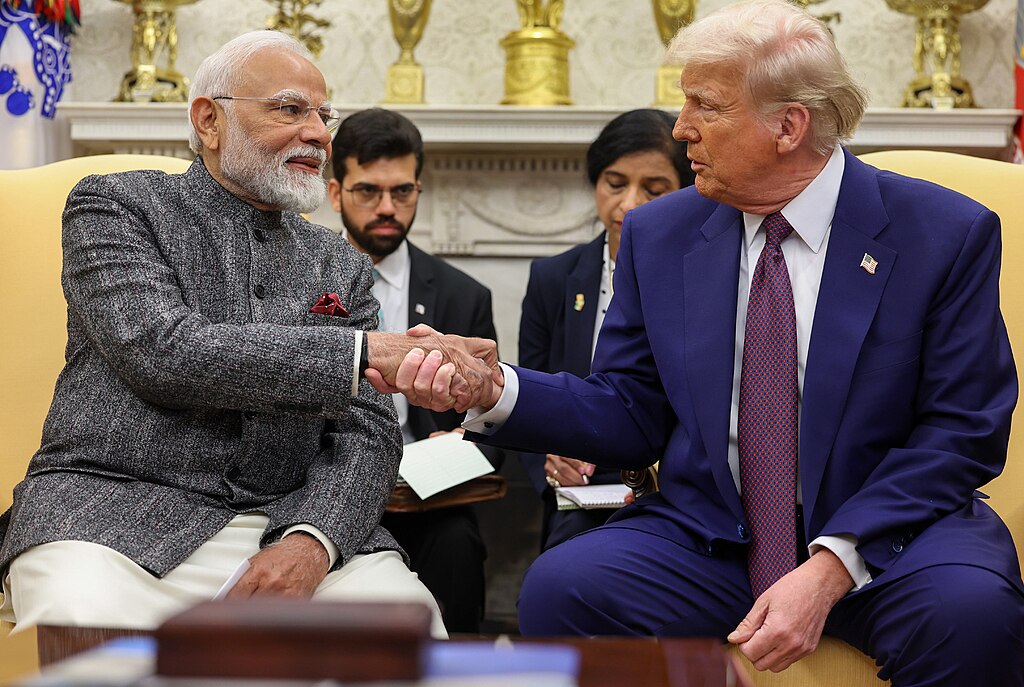
President Donald Trump has signed a landmark executive order removing the 25% penalty tariff on Indian goods, signaling a major shift in U.S.–India trade relations and global geopolitical alignment. The move functions as the core enforcement mechanism of a broader trade framework aimed at reducing India’s economic reliance on the Russian Federation while strengthening ties with the United States in energy, defense, and technology.
In the executive order, Trump stated that India has committed to ending both direct and indirect imports of Russian oil and will instead prioritize the purchase of U.S. energy products. India has also agreed to a long-term framework to expand defense cooperation with the United States over the next decade. Central to the agreement is India’s pledge to purchase approximately $500 billion worth of American energy, aircraft, and advanced technology over the next five years, a move expected to significantly benefit U.S. exporters and manufacturers.
While the Russia-related 25% surcharge has been eliminated, the deal introduces a new reciprocal tariff structure. A baseline levy of 18% will apply to selected Indian exports such as textiles, leather products, and organic chemicals. At the same time, the United States has agreed to remove additional duties on strategically important sectors, including generic pharmaceuticals, gems, and aircraft parts, easing access for Indian exporters in critical industries.
U.S. agricultural and industrial sectors are positioned to gain immediate advantages as India has committed to lowering or eliminating tariffs on a range of American products. These include soybean oil, distilled spirits, dried distillers’ grains, and fresh fruit, opening new opportunities for U.S. farmers and food exporters. The agreement also addresses long-standing non-tariff barriers that have affected U.S. medical device and information and communications technology companies operating in India.
Beyond trade, the framework emphasizes economic security and supply chain resilience. Both nations have agreed to coordinate efforts to counter non-market policies of third parties and promote innovation through closer alignment. The removal of the 25% tariff officially takes effect at 12:01 a.m. Washington time on February 7, marking what both governments describe as an interim step toward a comprehensive Bilateral Trade Agreement designed to establish a durable economic and security partnership.







