


 US, Iran Agree to Halt Attacks Ahead of Doha Talks on Strait of Hormuz
  Russian Attacks on Dnipro, Zaporizhzhia, and Kharkiv Kill 10 as Ukraine Vows Response
  Trump Signs Memorandum Backing Americans’ Right to Repair Their Own Vehicles
  US Strikes Iran Again After Strait of Hormuz Tanker Attack Escalates Ceasefire Tensions
  Trump Urges Gasoline Retailers to Cut Prices to $2.50 Per Gallon, Warns of Legal Action
  Taiwan Coast Guard Officer Finds Strength in Faith as China Increases Pressure in Taiwan Strait
  China Expands Export Controls, Adds 20 Japanese Companies to Restricted List
  Iran Launches Drone Attack on Bahrain After U.S. Strikes, Strait of Hormuz Tensions Escalate
  Canada Grants C$7 Million to Greenland Molybdenum Mine to Strengthen Critical Minerals Supply
  Russia Intensifies Assault on Kostiantynivka as Ukraine’s Donetsk Defense Faces Mounting Pressure
  Maria Corina Machado’s Return to Venezuela Faces U.S. Hesitation After Deadly Earthquakes
  Trump Suspends Some Morocco Fertilizer Tariffs to Ease U.S. Supply Shortage
  Trump Threatens 100% Tariffs on Countries Imposing Digital Services Taxes on U.S. Tech Firms
  Trump Questions Housing Bill as He Prioritizes SAVE America Act
  Supreme Court Backs Lisa Cook, Defends Federal Reserve Independence Against Trump Firing Attempt
  Australia Plans Higher Fines for Social Media Firms Failing to Block Underage Users


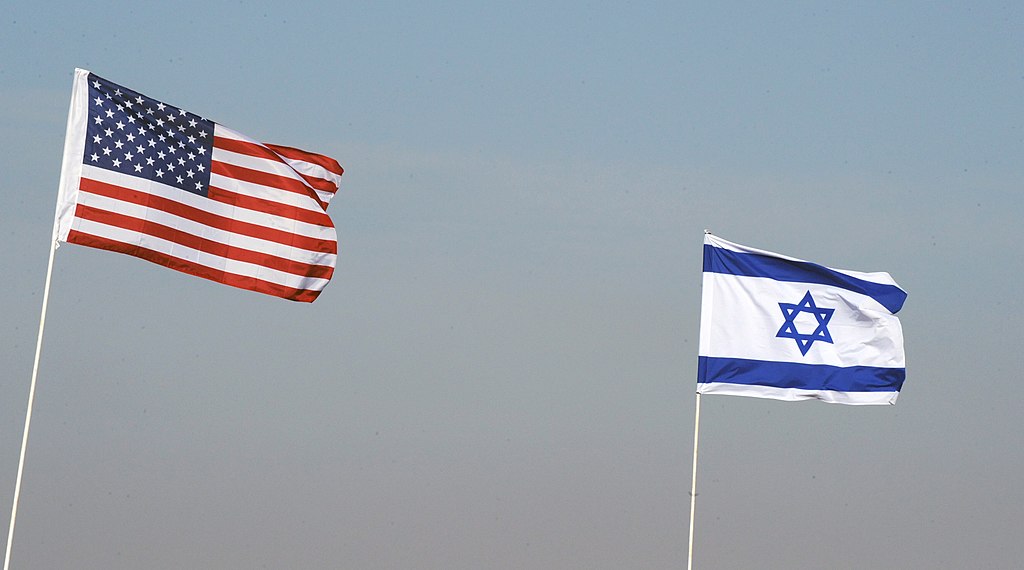
The United States described the latest Israel-Lebanon talks in Washington as “productive and positive” as diplomats pushed to prevent renewed escalation ahead of a fragile ceasefire deadline. U.S. officials confirmed that discussions between Lebanese and Israeli representatives lasted around eight hours on Thursday and are expected to continue Friday.
The negotiations come as violence between Israel and Hezbollah continues despite a U.S.-brokered truce announced in April. Lebanon is demanding that Israel fully implement a ceasefire agreement, while Israel is insisting on Hezbollah’s disarmament as part of any long-term peace arrangement. The talks mark the third round of discussions since Israel expanded military operations in southern Lebanon following Hezbollah missile attacks earlier this year.
A senior Lebanese official said Beirut’s delegation will focus on securing an immediate halt to Israeli airstrikes and establishing a timeline for Israeli troop withdrawal from southern Lebanon. Lebanon also seeks the release of Lebanese prisoners held by Israel. Meanwhile, Israeli officials say maintaining security along the northern border remains a top priority after repeated Hezbollah drone and rocket attacks.
The conflict has caused severe humanitarian damage in Lebanon. According to Lebanon’s health ministry, nearly 2,900 people have been killed since March, including women, children, and medical workers. More than 1.2 million residents have reportedly been displaced from their homes due to ongoing airstrikes and fighting in southern regions.
The Washington meetings are considered the highest-level direct contact between Lebanon and Israel in decades. Lebanese envoy Simon Karam and Israeli Deputy National Security Adviser Yossi Draznin joined senior U.S. officials in the negotiations.
The diplomatic efforts are also tied to broader regional tensions involving Iran and the United States. President Donald Trump previously expressed optimism that Israel and Lebanon could reach a peace agreement this year, though Lebanese leaders insist that security guarantees and a full ceasefire must come first.







