


 Sheinbaum Says No One Is Above the Law After Abuse Video of Ex-Pemex Chief Emerges
  Maria Corina Machado’s Return to Venezuela Faces U.S. Hesitation After Deadly Earthquakes
  China Expands Export Controls, Adds 20 Japanese Companies to Restricted List
  Iran Launches Drone Attack on Bahrain After U.S. Strikes, Strait of Hormuz Tensions Escalate
  Russian Attacks on Dnipro, Zaporizhzhia, and Kharkiv Kill 10 as Ukraine Vows Response
  Mexico, U.S. Launch Sterile Fly Facility to Combat New World Screwworm Outbreak
  Andy Burnham Sets Out Vision to Decentralize Britain as Labour Leadership Race Begins
  Canada Grants C$7 Million to Greenland Molybdenum Mine to Strengthen Critical Minerals Supply
  US Strikes Iran Again After Strait of Hormuz Tanker Attack Escalates Ceasefire Tensions
  Trump Signs Memorandum Backing Americans’ Right to Repair Their Own Vehicles
  Israeli Airstrike Kills Three in Central Gaza Despite Ceasefire
  Serbia President Aleksandar Vucic to Resign, Calls Early Elections After Months of Protests
  Trump Suspends Some Morocco Fertilizer Tariffs to Ease U.S. Supply Shortage
  Javier Milei Cabinet Chief Manuel Adorni Resigns Amid Spending Scandal Investigation
  Trump Questions Housing Bill as He Prioritizes SAVE America Act


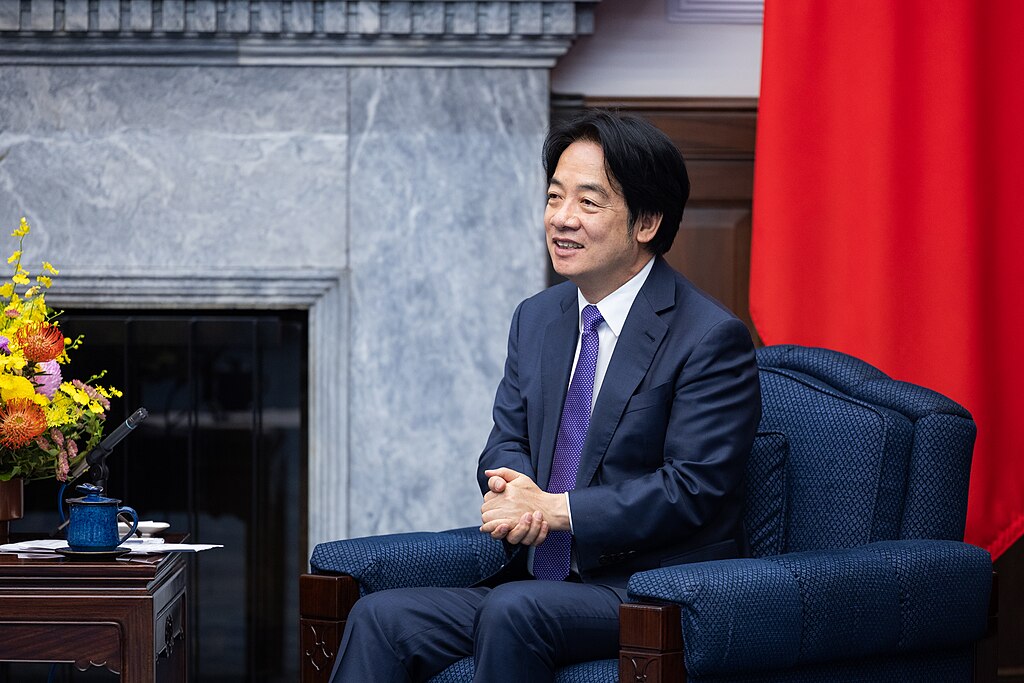
China’s President Xi Jinping recently warned that disagreements over Taiwan could seriously damage U.S.-China relations, once again placing the Taiwan independence issue at the center of global politics. Taiwan, officially called the Republic of China (ROC), has a long and complex history shaped by colonial rule, civil war, and ongoing geopolitical conflict.
Taiwan was governed by the Qing dynasty before becoming a Japanese colony in 1895. After World War II, control returned to the Republic of China government. In 1949, after losing the Chinese Civil War to Mao Zedong’s Communist forces, the ROC government relocated to Taiwan while the People’s Republic of China (PRC) was established in Beijing. Since then, both governments have claimed legitimacy over China and Taiwan.
Today, Taiwan functions as a self-governing democracy with its own military, passport, currency, and elected leaders. However, most countries, including the United States, do not officially recognize Taiwan as an independent nation due to the “One China” policy. The U.S. switched diplomatic recognition from Taipei to Beijing in 1979 but continues to support Taiwan through the Taiwan Relations Act, including arms sales for defense purposes.
China strongly opposes any move toward formal Taiwan independence and has not ruled out the use of military force. Beijing also cites the 2005 Anti-Secession Law as legal justification for action if Taiwan seeks permanent separation. Meanwhile, Taiwan’s government argues that the island is already sovereign and that Beijing has never governed it.
Although discussions about creating a formal “Republic of Taiwan” occasionally emerge, constitutional changes would require overwhelming parliamentary and public approval, making such a move politically difficult. Public opinion polls in Taiwan consistently show that most citizens prefer maintaining the current status quo rather than pursuing immediate unification or formal independence.







