


 Sheinbaum Says No One Is Above the Law After Abuse Video of Ex-Pemex Chief Emerges
  Yen Falls to 40-Year Low as Markets Watch Japan Intervention and U.S. Jobs Report
  Oil Prices Slip as U.S.-Iran Peace Talks and Strait of Hormuz Risks Keep Markets on Edge
  Australia Plans Higher Fines for Social Media Firms Failing to Block Underage Users
  Gold Price Ends Lower for Fourth Week Despite Rebound as Fed Rate Hike Bets Strengthen
  Asian Stocks Slip as US-Iran Ceasefire Hopes Lift Oil, Dollar Strength Persists
  Serbia President Aleksandar Vucic to Resign, Calls Early Elections After Months of Protests
  Maria Corina Machado Vows Return to Venezuela After Earthquakes Despite Obstacles
  Trump Threatens 100% Tariffs on Countries Imposing Digital Services Taxes on U.S. Tech Firms
  Trump Suspends Some Morocco Fertilizer Tariffs to Ease U.S. Supply Shortage
  Trump Urges Gasoline Retailers to Cut Prices to $2.50 Per Gallon, Warns of Legal Action
  RBA Minutes Signal Australia Central Bank Remains Ready to Raise Interest Rates if Inflation Persists
  Australia, Vanuatu Sign Security Pact Amid Pacific Influence Competition
  China Expands Export Controls, Adds 20 Japanese Companies to Restricted List
  Oil Prices Rise as US-Iran Tensions Threaten Strait of Hormuz Oil Shipments
  Russian Attacks Kill Four in Ukraine as Zaporizhzhia and Kharkiv Come Under Fire
  World Bank Approves $1.1 Billion Emergency Funding for Bangladesh Amid Food and Energy Price Pressures


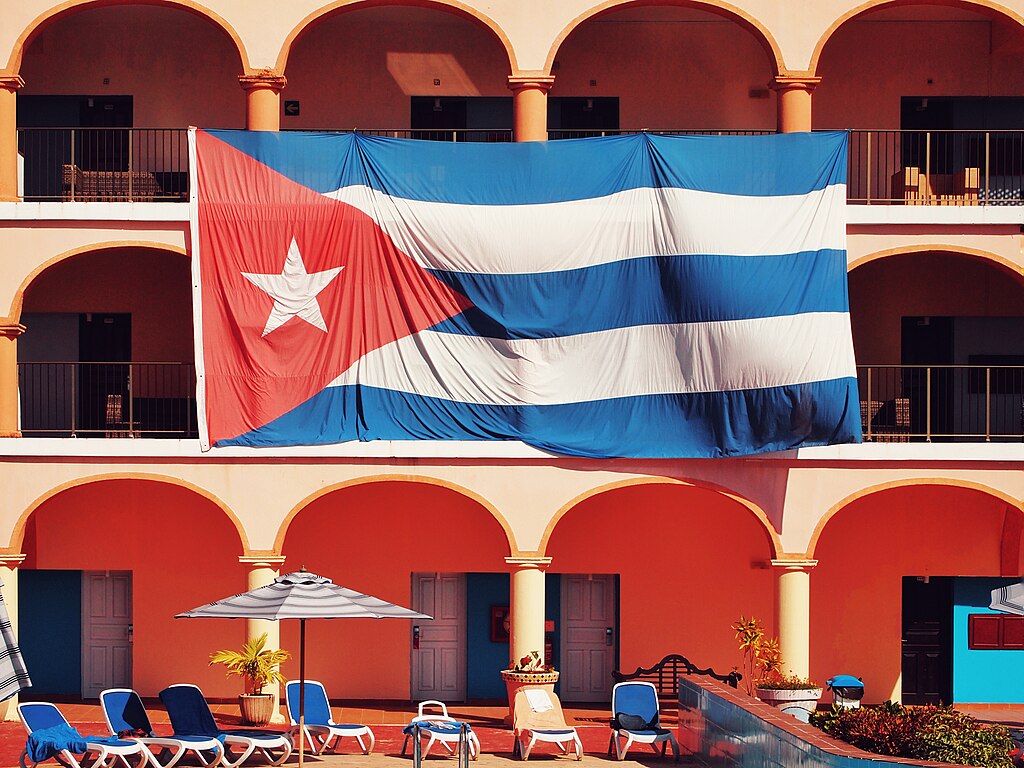
Protests spread across Havana on Wednesday night as Cuba struggled through its worst electricity crisis in decades, with residents enduring rolling blackouts linked to an ongoing fuel shortage and tightened U.S. sanctions. Hundreds of frustrated citizens gathered in several neighborhoods across the Cuban capital, blocking streets with burning trash, banging pots and pans, and chanting slogans demanding electricity and government action.
The demonstrations marked the largest wave of protests in Havana since the country’s energy crisis intensified earlier this year. Many residents reported living without power for up to 22 hours a day, worsening already difficult conditions caused by shortages of food, medicine, and transportation fuel.
Cuba’s Energy and Mines Minister Vicente de la O confirmed that the island has exhausted its diesel and fuel oil reserves, leaving the national power grid in a “critical” condition. According to officials, the country is currently relying on domestic crude oil, natural gas, and renewable energy sources to maintain limited electricity generation.
Although Cuba has added around 1,300 megawatts of solar energy capacity over the last two years, officials say instability in the electrical grid and the lack of fuel have significantly reduced the effectiveness of renewable power systems. Authorities continue searching for international fuel suppliers as the government attempts to stabilize the grid and prevent further unrest.
The situation has been made worse by new U.S. measures targeting countries that export fuel to Cuba. Since the latest sanctions were introduced in early 2026, traditional suppliers such as Venezuela and Mexico have reportedly stopped sending oil shipments to the island. Only one major Russian oil tanker has delivered crude to Cuba in recent months, offering only temporary relief.
The United Nations recently criticized the U.S. fuel restrictions on Cuba, warning that the measures are contributing to humanitarian challenges affecting access to food, healthcare, water, and essential public services across the island nation.







