


 Russian Attacks on Dnipro, Zaporizhzhia, and Kharkiv Kill 10 as Ukraine Vows Response
  Trump Signs Memorandum Backing Americans’ Right to Repair Their Own Vehicles
  China Expands Export Controls, Adds 20 Japanese Companies to Restricted List
  US Strikes Iran Again After Strait of Hormuz Tanker Attack Escalates Ceasefire Tensions
  Iran Skips U.S. Technical Talks Over Unmet MoU Conditions and Frozen Funds Dispute
  Andy Burnham Sets Out Vision to Decentralize Britain as Labour Leadership Race Begins
  Russia Intensifies Assault on Kostiantynivka as Ukraine’s Donetsk Defense Faces Mounting Pressure
  Supreme Court Backs Lisa Cook, Defends Federal Reserve Independence Against Trump Firing Attempt
  Canada Grants C$7 Million to Greenland Molybdenum Mine to Strengthen Critical Minerals Supply
  Sheinbaum Says No One Is Above the Law After Abuse Video of Ex-Pemex Chief Emerges
  Maria Corina Machado Vows Return to Venezuela After Earthquakes Despite Obstacles
  Taiwan Coast Guard Officer Finds Strength in Faith as China Increases Pressure in Taiwan Strait
  Trump Announces September Overhaul of Washington’s East Potomac Golf Links
  Despite its best efforts, Iran won’t be able to toll the Strait of Hormuz. Here’s why
  Mexico, U.S. Launch Sterile Fly Facility to Combat New World Screwworm Outbreak
  Serbia President Aleksandar Vucic to Resign, Calls Early Elections After Months of Protests


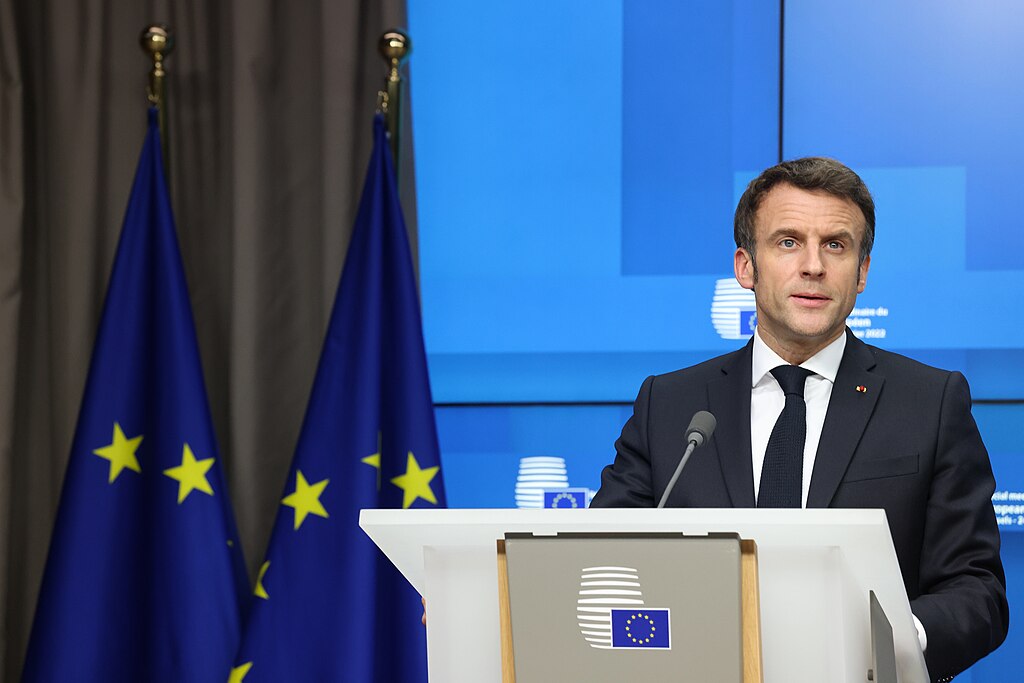
French President Emmanuel Macron is facing mounting political pressure as lawmakers prepare to vote next week on the appointment of his former chief of staff, Emmanuel Moulin, as the next governor of the Bank of France. The decision has sparked controversy across the French political landscape, with critics accusing Macron of placing loyal allies in influential institutions before the 2027 presidential election.
The parliamentary vote is viewed as a major political test for Macron, whose second and final term is nearing its end. A rejection of Moulin’s nomination would represent a serious setback for the French president and highlight his weakened influence after losing his parliamentary majority. Approval, however, could intensify accusations that Macron is trying to protect his political legacy and shield key state institutions from a possible victory by the far-right National Rally (RN) in the next election.
Emmanuel Moulin is widely recognized as one of France’s most experienced economic policymakers, having served under both conservative and Macron-led governments. If confirmed, he would lead the 226-year-old Bank of France, oversee French banking regulation, and sit on the European Central Bank’s governing council responsible for setting eurozone interest rates.
Despite his credentials, opposition lawmakers have questioned whether Moulin can remain politically independent after serving as Macron’s chief of staff. Left-wing and RN politicians argue that appointing a close presidential ally to such a sensitive financial role threatens the principle of central bank independence.
The Senate vote is expected to play a decisive role, particularly among conservative Republicans lawmakers whose support Moulin needs. The nomination follows other controversial Macron appointments, including Richard Ferrand and Amelie de Montchalin, which fueled claims that the president is strategically positioning allies ahead of a potential far-right government in France after the 2027 presidential election.







