


 Russia Intensifies Assault on Kostiantynivka as Ukraine’s Donetsk Defense Faces Mounting Pressure
  Serbia President Aleksandar Vucic to Resign, Calls Early Elections After Months of Protests
  Iran Skips U.S. Technical Talks Over Unmet MoU Conditions and Frozen Funds Dispute
  Supreme Court Backs Lisa Cook, Defends Federal Reserve Independence Against Trump Firing Attempt
  US Strikes Iran Again After Strait of Hormuz Tanker Attack Escalates Ceasefire Tensions
  China Expands Export Controls, Adds 20 Japanese Companies to Restricted List
  Apple Challenges India Antitrust Probe, Says CCI Copied Rivals’ Claims in App Store Case
  Trump Urges Gasoline Retailers to Cut Prices to $2.50 Per Gallon, Warns of Legal Action
  China Eastern Orders 25 Airbus A330neo Jets in $9.35 Billion Deal to Boost International Expansion
  Amazon Prime Day 2026 Sales Top $26.4 Billion as Shoppers Chase Discounts Amid Inflation
  Taiwan Coast Guard Officer Finds Strength in Faith as China Increases Pressure in Taiwan Strait
  Buffett Delays Gates Foundation Donation Pending Epstein Ties Review
  SpaceX, Charter Communications Explore Mobile Partnership to Expand Starlink Wireless Service
  Johns Hopkins University Lays Off 110 Employees as Federal Research Funding Declines
  Trump Threatens 100% Tariffs on Countries Imposing Digital Services Taxes on U.S. Tech Firms
  UBS Raises TSMC Price Target to T$3,400 on Strong AI Chip Demand Outlook


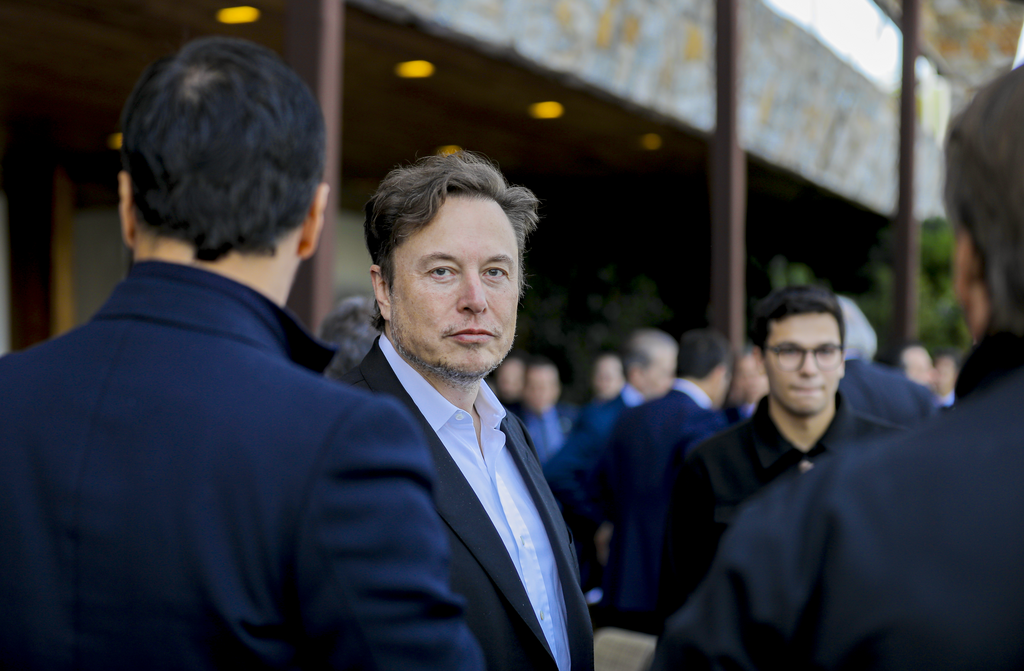
Elon Musk continues to hold a powerful yet increasingly complicated position in China as Tesla faces growing pressure from local electric vehicle manufacturers and tighter scrutiny from Chinese regulators. Despite occasional criticism and political tensions surrounding his business empire, Musk remains one of the most influential foreign tech leaders in the country.
Musk recently joined a group of top American executives accompanying U.S. President Donald Trump to Beijing for high-level meetings with Chinese President Xi Jinping. During the visit, Musk stated that he hopes to achieve “many good things” in China, highlighting the importance of the market to Tesla’s future growth.
China remains one of Tesla’s biggest markets, accounting for roughly 20% of the company’s annual revenue. Tesla sold approximately 626,000 vehicles in China last year, making it one of the country’s leading electric vehicle brands. Industry experts say Tesla’s battery innovation, autonomous driving technology, and software-focused vehicle design continue to influence many Chinese automakers.
Chinese EV brands such as Chery have openly acknowledged Tesla as a major inspiration. However, local manufacturers are rapidly narrowing the technology gap while competing aggressively on pricing and innovation. Analysts believe this could eventually weaken Musk’s dominance and popularity in the Chinese market.
At the same time, some aspects of Musk’s business operations have raised concerns in Beijing. SpaceX and its Starlink satellite network have attracted attention from Chinese military researchers, especially due to their strategic role in global communications and geopolitical conflicts.
Although Tesla has previously faced backlash in China over customer complaints and vehicle security concerns, Musk still enjoys significant popularity on Chinese social media platforms. Many Chinese tech enthusiasts continue to view him as a global innovator and symbol of technological ambition. However, as China’s domestic EV industry continues to expand, Musk’s long-term influence in the country may face increasing challenges.







