


 Taiwan Independence Debate: China, U.S., and Taipei Tensions Explained
  Japan Considers Extra Budget Aid Amid Rising Fuel and Utility Costs
  South Korea Reviews Phased Support for Strait of Hormuz Security Efforts
  Mexico Denies CIA Role in Cartel Attacks Amid Rising U.S.-Mexico Tensions
  Dulles Airport Rebuild Plan Could Transform Washington’s Main International Gateway
  Trump Pushes China Market Access During High-Stakes Xi Summit
  Trump Signals Possible U.S.-Cuba Talks Amid Rising Pressure on Havana
  RFK Jr. Spokesman Resigns Over Trump Administration’s Flavored E-Cigarette Policy
  Russia Resumes Heavy Drone Attacks on Ukraine After Ceasefire Ends
  Vance Says Progress Made in Iran Nuclear Talks as Trump Rejects Tehran Proposal
  New Zealand Budget 2026 Focuses on Fiscal Discipline and Infrastructure Investment
  Trump Faces Uphill Battle Seeking China’s Help on Iran Conflict
  Havana Protests Erupt as Cuba Faces Severe Blackouts and Fuel Crisis
  Tennessee Republicans Remove Democrats From Committees After Redistricting Protest
  Elon Musk’s China Influence Faces New Challenges Amid Rising EV Competition
  Saudi Arabia’s Secret Strikes on Iran Reveal Escalating Middle East Conflict
  U.S. Urges China to Help Curb Iran’s Actions in Gulf, Rubio Says


U.S. President Donald Trump said he will be “indirectly” involved in high-stakes nuclear talks between the United States and Iran scheduled for Tuesday in Geneva, expressing cautious optimism that Tehran is ready to negotiate. Speaking to reporters aboard Air Force One, Trump emphasized the importance of the discussions, which come amid escalating tensions in the Middle East.
The renewed diplomatic push follows a period of military escalation. The United States recently deployed a second aircraft carrier to the region, while officials confirmed preparations for a potential prolonged military campaign if negotiations collapse. Trump referenced last summer’s U.S. airstrikes on Iranian nuclear facilities, carried out by B-2 stealth bombers, as a turning point. According to Trump, Iran now understands the “consequences” of failing to reach a deal and may be more willing to compromise.
At the center of the dispute is Iran’s uranium enrichment program. Before the June strikes, U.S.-Iran nuclear negotiations stalled over Washington’s demand that Tehran halt uranium enrichment on its soil, viewing it as a pathway to developing nuclear weapons. Iran has consistently rejected a zero-enrichment policy and insists its nuclear program is peaceful. Tehran is seeking sanctions relief in exchange for limits on its nuclear activities but refuses to discuss its missile program.
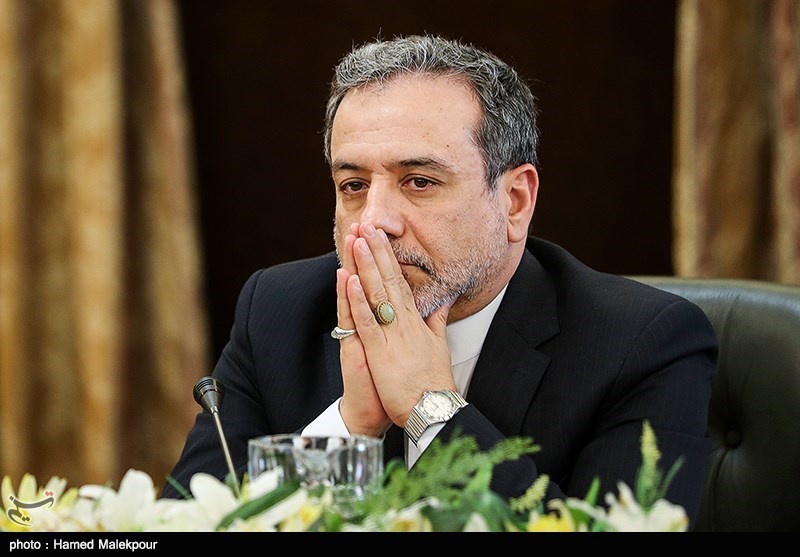
Iranian Foreign Minister Abbas Araqchi met with the head of the International Atomic Energy Agency in Geneva, stating that Iran aims to secure a “fair and equitable deal.” However, he made clear that Iran will not submit to pressure. The IAEA has also requested clarification regarding Iran’s 440 kg stockpile of highly enriched uranium following Israeli-U.S. strikes on facilities in Natanz, Fordow, and Isfahan.
Meanwhile, Iran conducted military drills in the Strait of Hormuz, a critical global oil route, reiterating threats to close the waterway if attacked. U.S. Secretary of State Marco Rubio acknowledged that while a diplomatic agreement is possible, reaching a comprehensive Iran nuclear deal will be challenging.







