


 Andy Burnham Sets Out Vision to Decentralize Britain as Labour Leadership Race Begins
  Russia Intensifies Assault on Kostiantynivka as Ukraine’s Donetsk Defense Faces Mounting Pressure
  Iran Launches Drone Attack on Bahrain After U.S. Strikes, Strait of Hormuz Tensions Escalate
  Trump Urges Gasoline Retailers to Cut Prices to $2.50 Per Gallon, Warns of Legal Action
  Canada Grants C$7 Million to Greenland Molybdenum Mine to Strengthen Critical Minerals Supply
  Russian Attacks on Dnipro, Zaporizhzhia, and Kharkiv Kill 10 as Ukraine Vows Response
  US Strikes Iran Again After Strait of Hormuz Tanker Attack Escalates Ceasefire Tensions
  Ukraine Strikes Russian Titan-Barrikady Plant With Long-Range FP-5 Flamingo Missile
  Trump Announces September Overhaul of Washington’s East Potomac Golf Links
  Trump Questions Housing Bill as He Prioritizes SAVE America Act
  Israeli Airstrike Kills Three in Central Gaza Despite Ceasefire
  US, Iran Agree to Halt Attacks Ahead of Doha Talks on Strait of Hormuz
  China Expands Export Controls, Adds 20 Japanese Companies to Restricted List
  Australia, Vanuatu Sign Security Pact Amid Pacific Influence Competition
  Taiwan Coast Guard Officer Finds Strength in Faith as China Increases Pressure in Taiwan Strait
  Serbia President Aleksandar Vucic to Resign, Calls Early Elections After Months of Protests
  Despite its best efforts, Iran won’t be able to toll the Strait of Hormuz. Here’s why


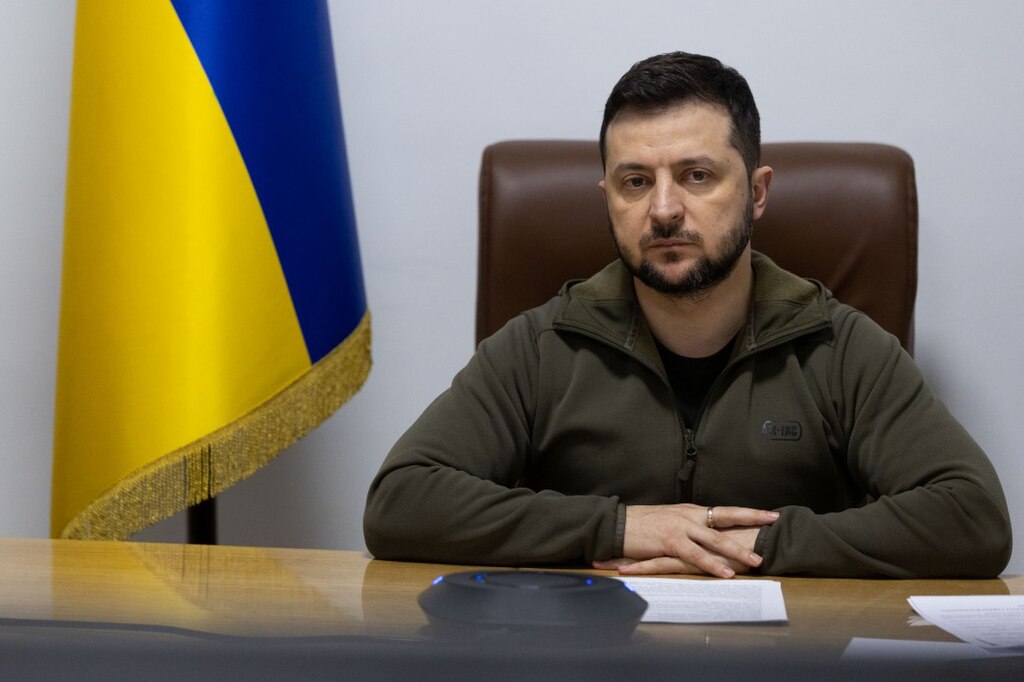
Russia carried out one of its largest daytime drone attacks on Ukraine on Wednesday, targeting critical infrastructure across western regions and killing at least six people. Ukrainian officials said Moscow launched around 800 drones overnight, marking the first major assault since a temporary U.S.-brokered ceasefire between Russia and Ukraine ended earlier this week.
Ukrainian President Volodymyr Zelenskiy said the strikes were deliberately aimed at areas close to NATO borders, raising security concerns across Eastern Europe. Poland responded by scrambling fighter jets as a precaution during the Russian air assault. Zelenskiy also noted that the timing of the attack coincided with the U.S. president’s visit to China, suggesting the escalation was intentional.
The attacks damaged key railway infrastructure, with Ukrainian authorities reporting 23 separate strikes on rail facilities. Despite the destruction, train operations continued. Heavy fighting was also reported along the eastern front line near Pokrovsk and Huliaipole, where Russian forces intensified ground assaults supported by guided bombs and air strikes.
Hungary’s newly elected government strongly condemned the attacks, particularly those affecting regions with ethnic Hungarian communities. Prime Minister Peter Magyar announced that Hungary summoned the Russian ambassador and demanded answers regarding an end to the war. Zelenskiy praised Hungary’s reaction, calling it an “important message.” Slovakia also tightened border security with Ukraine following the strikes.
Ukraine’s air force claimed Russia used Belarusian and Moldovan airspace routes to direct drones into western Ukraine. Moldova later confirmed that a drone briefly crossed into its airspace, describing the incident as a threat to national security.
Russian strikes also hit energy facilities operated by Naftogaz in Kharkiv and Zhytomyr. Several western Ukrainian cities, including Rivne and Ivano-Frankivsk, suffered casualties and power outages. Ukrainian intelligence warned that the drone barrage was designed to overwhelm air defenses ahead of additional missile attacks.







