


 China Expands Export Controls, Adds 20 Japanese Companies to Restricted List
  Maria Corina Machado Vows Return to Venezuela After Earthquakes Despite Obstacles
  US, Iran Agree to Halt Attacks Ahead of Doha Talks on Strait of Hormuz
  Ukraine Strikes Russian Titan-Barrikady Plant With Long-Range FP-5 Flamingo Missile
  Asian Stocks Slip as US-Iran Ceasefire Hopes Lift Oil, Dollar Strength Persists
  RBA Minutes Signal Australia Central Bank Remains Ready to Raise Interest Rates if Inflation Persists
  Economic pessimism has set in – but there are reasons for Australians to be hopeful
  Trump Signs Memorandum Backing Americans’ Right to Repair Their Own Vehicles
  Trump Urges Gasoline Retailers to Cut Prices to $2.50 Per Gallon, Warns of Legal Action
  Australia, Vanuatu Sign Security Pact Amid Pacific Influence Competition
  Iran Skips U.S. Technical Talks Over Unmet MoU Conditions and Frozen Funds Dispute
  Despite its best efforts, Iran won’t be able to toll the Strait of Hormuz. Here’s why
  Russian Attacks Kill Four in Ukraine as Zaporizhzhia and Kharkiv Come Under Fire
  Gold Price Hits Annual Low as Fed Rate Hike Bets and Sticky Inflation Weigh on Bullion
  Yen Falls to 40-Year Low as Markets Watch Japan Intervention and U.S. Jobs Report
  Trump Questions Housing Bill as He Prioritizes SAVE America Act
  Canada Grants C$7 Million to Greenland Molybdenum Mine to Strengthen Critical Minerals Supply


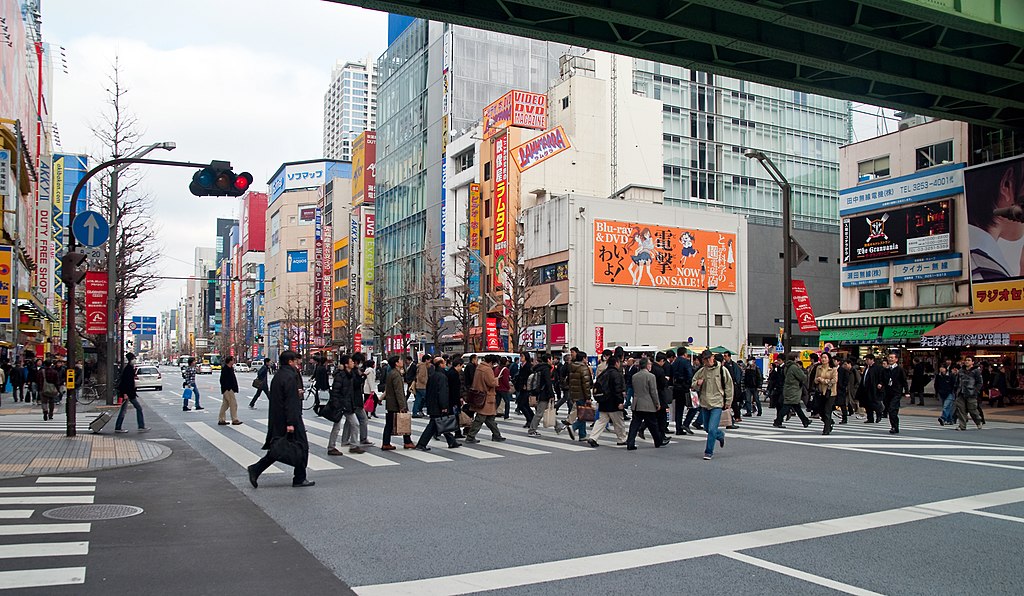
Japan’s government is considering compiling a supplementary budget to help households struggling with rising gasoline and utility prices as the ongoing Middle East crisis continues to fuel uncertainty in global energy markets, according to a report by Kyodo News on Thursday.
The potential relief measures are aimed at reducing the financial burden on consumers facing higher living costs driven by elevated oil and electricity prices. Japanese officials are reportedly exploring ways to provide additional support to households as inflation and energy expenses continue to pressure the economy.
The prolonged instability in the Middle East has increased concerns over global crude oil supply disruptions, pushing fuel prices higher across international markets. Japan, which depends heavily on imported energy resources, has been particularly vulnerable to fluctuations in oil and natural gas prices. As a result, many households have seen a steady rise in gasoline, electricity, and heating bills in recent months.
Government officials are expected to discuss the scale and timing of the supplementary budget while monitoring developments in global energy markets. The proposed package may include subsidies or financial assistance programs designed to ease the impact of higher utility and transportation costs on consumers.
The move comes as Japanese households continue to face inflationary pressure from increasing food, fuel, and daily living expenses. Analysts believe additional government spending could help support consumer confidence and stabilize domestic demand during a period of economic uncertainty.
Economists also note that energy price volatility linked to geopolitical tensions remains a major concern for Japan’s economic outlook in 2026. A supplementary budget could become an important tool for the government to cushion the impact of external risks while supporting economic stability.
Although no final decision has been announced, the discussions highlight Japan’s growing focus on protecting households from rising energy costs and maintaining economic resilience amid ongoing global instability.







