


 US-Iran Ceasefire Under Pressure as Fresh Strait of Hormuz Clashes Shake Oil Markets
  Ghana Rejects U.S. Health Deal Over Data Sharing Concerns Amid Foreign Aid Shift
  Rubio Approves $25.8 Billion Weapons Sale to Middle East Allies
  U.S. Budget Airlines Seek $2.5 Billion Government Aid Amid Rising Jet Fuel Costs
  Australia’s Wealthy Donors Shift Support to One Nation Amid Conservative Party Decline
  Trump Administration Dismisses Entire National Science Board, Sparking Debate Over Scientific Independence
  Germany Rejects Putin’s Proposal for Schroeder to Mediate Ukraine Peace Talks
  US to Withdraw 5,000 Troops from Germany Amid Growing Rift with European Allies
  U.S.-China Beef Trade Deal Hopes Rise Ahead of Trump-Xi Summit
  White House Withdraws Trump’s National Park Service Nominee Amid Criticism
  Judge Delays SEC Settlement With Elon Musk Over Twitter Stock Disclosure Case
  US House Advances $70 Billion Immigration Enforcement Budget Plan
  U.S. Fast-Tracks $8.6 Billion Arms Sales to Middle East Allies Amid Rising Tensions
  CDC Monitors U.S. Travelers After Hantavirus Outbreak on Luxury Cruise Ship
  TikTok Nears $400 Million Settlement With Trump Administration Over Child Privacy Lawsuit
  Judge Rules Use of Military Lawyers in Civilian Prosecutions Is Lawful
  Malaysia Unveils Energy Security Plan Amid Iran Conflict and Rising Oil Costs


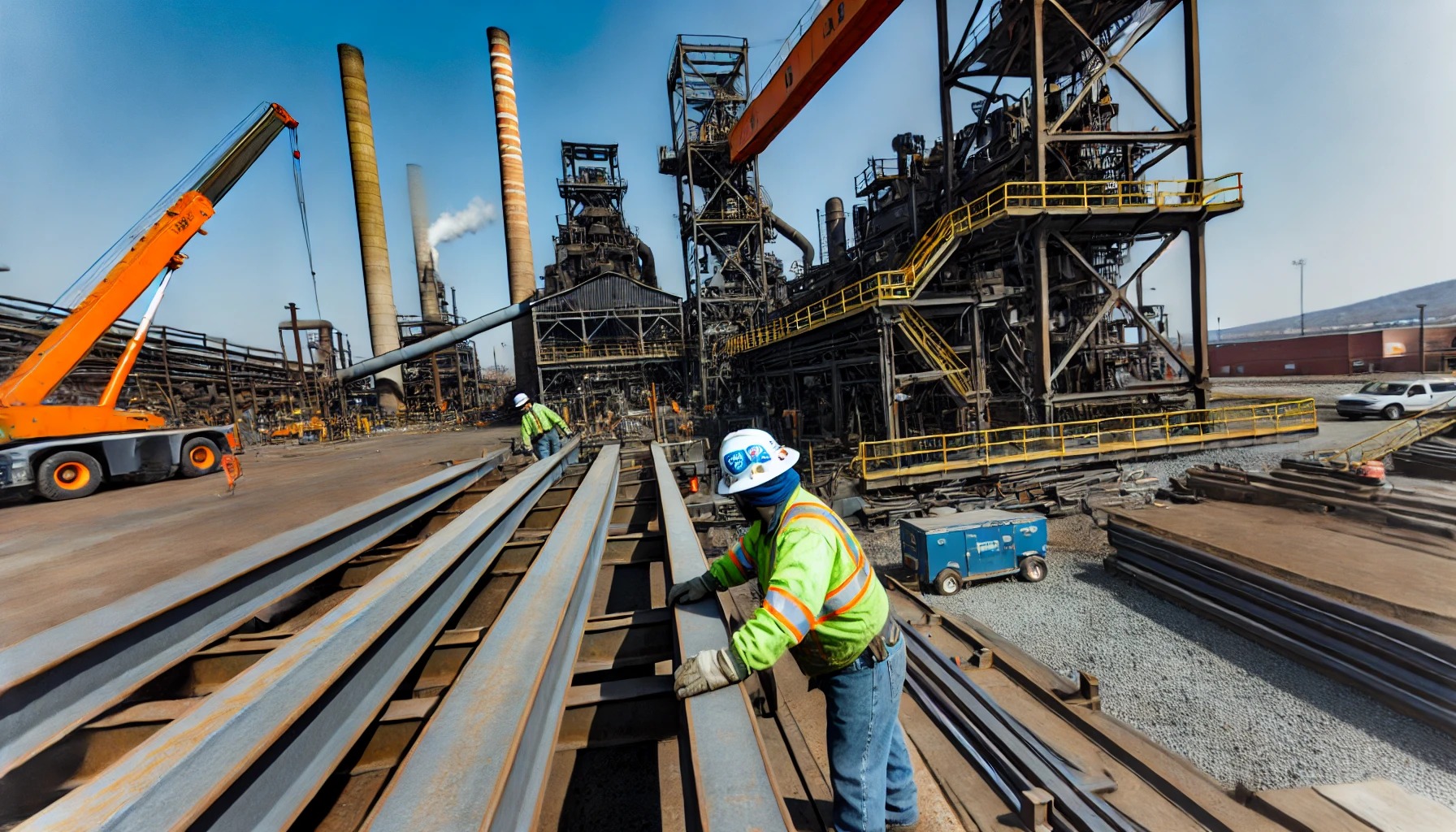
U.S. President Donald Trump has officially raised tariffs on steel and aluminum imports from 25% to 50%, citing national security concerns. The new duties, effective Wednesday, target both raw materials and derivative products. Trump stated the move aims to reduce America’s reliance on foreign metals and enhance the competitiveness of domestic producers.
In a proclamation published on the White House website, Trump said that unchecked steel and aluminum imports could "threaten to impair national security" and that higher tariffs would deter unfair trade practices like dumping. The revised tariffs also include downstream products made from these metals.
Notably, the United Kingdom will be exempt from the increased tariffs due to a prior trade agreement signed in early May. Imports from the UK will continue to be taxed at the original 25% rate.
While the administration claims the tariffs will benefit U.S. metal manufacturers, critics warn of higher costs for American businesses that depend on imported steel and aluminum. These additional costs are likely to be passed on to manufacturers and consumers, potentially weakening sectors such as automotive, construction, and heavy equipment.
Analysts note that transitioning to more domestic production could take years, with high upfront investments and infrastructure delays posing challenges. In the meantime, U.S. importers are expected to bear the brunt of rising expenses, adding pressure to local supply chains.
The tariff hike comes amid renewed trade tensions and marks a significant escalation in Trump’s protectionist trade policy. As industries brace for increased operational costs, the long-term impact on American manufacturing remains uncertain.







