


 Vietnam Plans AI-Driven Propaganda Push With Influencers and Podcasts
  Judge Delays SEC Settlement With Elon Musk Over Twitter Stock Disclosure Case
  Ukraine-Russia Ceasefire Confirmed as Prisoner Swap Deal Advances
  Rubio Approves $25.8 Billion Weapons Sale to Middle East Allies
  Senate Stablecoin Bill Sparks Clash Between Banks and Crypto Industry
  Trump Says U.S. Navy Destroyers Passed Strait of Hormuz Under Iranian Fire
  Israel’s Secret Iraq Base Allegedly Supported Iran Air Campaign, WSJ Reports
  Medicare to Cover GLP-1 Weight-Loss and Diabetes Drugs Starting July 1
  Judge Rules Use of Military Lawyers in Civilian Prosecutions Is Lawful
  Trump Reportedly Approves Plan to Remove FDA Commissioner Marty Makary Amid Growing Controversies
  TikTok Nears $400 Million Settlement With Trump Administration Over Child Privacy Lawsuit
  New York Moves to Ban Masked Law Enforcement During Immigration Operations
  CDC Monitors U.S. Travelers After Hantavirus Outbreak on Luxury Cruise Ship
  U.S. Flags Vietnam as “Priority Foreign Country” Over Intellectual Property Concerns
  US Reviews Mexican Consulates Amid Rising Diplomatic Tensions
  Pope Leo Calls for Peace as Vatican Seeks Better Ties With U.S.
  Trump-Xi Beijing Summit to Focus on Trade, Taiwan, and Boeing Deal


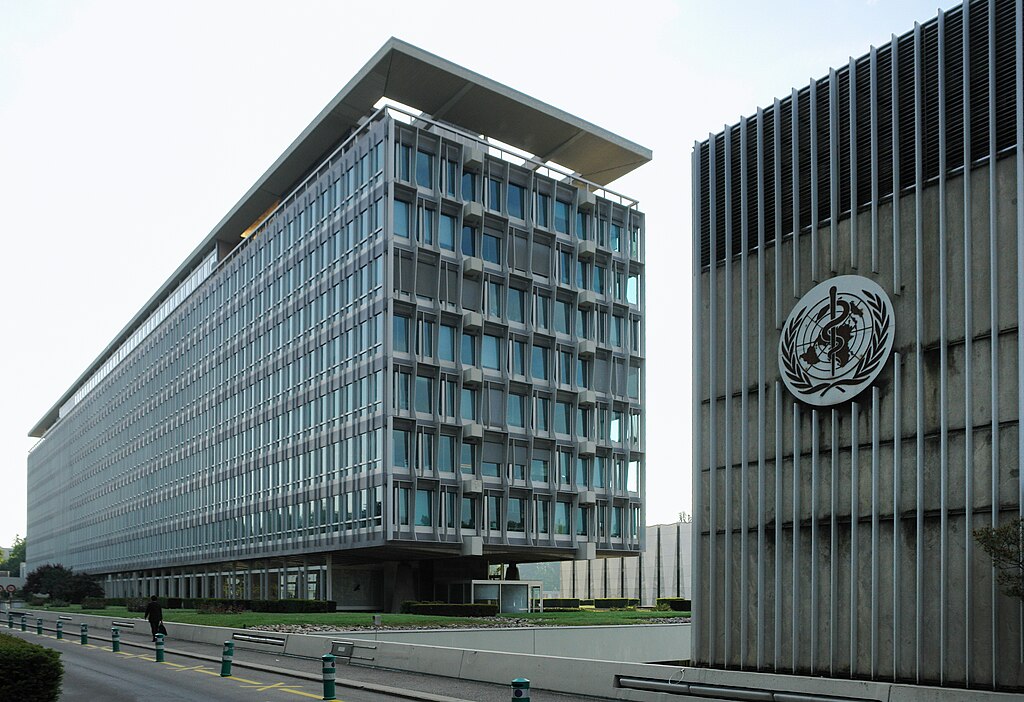
The United States has officially withdrawn from the World Health Organization (WHO), marking a significant shift in global health policy that experts warn could harm public health both domestically and worldwide. The decision follows a year of escalating warnings from health leaders and international officials who argued that leaving the United Nations health agency would weaken global disease surveillance and response systems.
President Donald Trump initiated the withdrawal on the first day of his presidency in 2025 through an executive order, citing what the administration described as the WHO’s failures in managing the COVID-19 pandemic. According to a joint press release from the U.S. Departments of Health and State, the United States will no longer participate fully in WHO activities and has no plans to rejoin or even serve as an observer. Instead, the U.S. intends to collaborate directly with individual countries on public health priorities, including disease monitoring and emergency response.
A key point of contention involves unpaid membership fees. Under U.S. law, the country was expected to provide one year’s notice and settle approximately $260 million in outstanding dues before exiting. However, State Department officials dispute that payment is a legal prerequisite for withdrawal, arguing that American taxpayers have already contributed sufficiently. The Department of Health and Human Services confirmed that all U.S. funding to the WHO has ended, stating the organization’s actions had cost the U.S. trillions of dollars.
The withdrawal has already triggered major consequences. The U.S. flag was removed from WHO headquarters in Geneva, and the agency has entered a financial crisis. As its largest donor, contributing about 18% of total funding, the U.S. exit has forced the WHO to cut its management team, reduce budgets, and plan to lay off roughly a quarter of its staff by mid-year.
Global health leaders, including WHO Director-General Tedros Adhanom Ghebreyesus and Gates Foundation chair Bill Gates, have urged the U.S. to reconsider. While a quick return appears unlikely, experts stress that the absence of U.S. leadership could weaken international cooperation and increase risks to global health security.







