


 Trump Administration Files Fraud Charges Against Southern Poverty Law Center Over Informant Payments
  Australia’s Wealthy Donors Shift Support to One Nation Amid Conservative Party Decline
  Federal and State Authorities Conduct Widespread Fraud Raids Across Minnesota
  China Banks Halt New Loans to Sanctioned Refineries Amid U.S.-Iran Oil Crackdown
  Judge Orders Release of Family After Longest ICE Detention Under Trump Administration
  US House Advances $70 Billion Immigration Enforcement Budget Plan
  Trump and IRS in Settlement Talks Over $10 Billion Tax Return Leak Lawsuit
  Panama Defends Port Takeover Amid U.S.-China Tensions and Canal Dispute
  FEMA Reinstates Employees After Dissent Letter, Signaling Shift in Workforce Stability
  Bolsonaro Discharged After Shoulder Surgery Amid Ongoing Legal Troubles
  US Reviews Mexican Consulates Amid Rising Diplomatic Tensions
  CDC Monitors U.S. Travelers After Hantavirus Outbreak on Luxury Cruise Ship
  Apple Wins ITC Ruling, Keeping Blood-Oxygen Feature on Apple Watch
  Russia Downs Over 50 Drones Near Moscow Ahead of Victory Day Ceasefire
  Sam Altman Moves to Dismiss Punitive Damages in Sister's Sexual Abuse Lawsuit
  Judge Rules DOGE Humanities Grant Cuts Unconstitutional
  UN Experts Condemn Trump’s Cuba Fuel Blockade Amid Deepening Energy Crisis


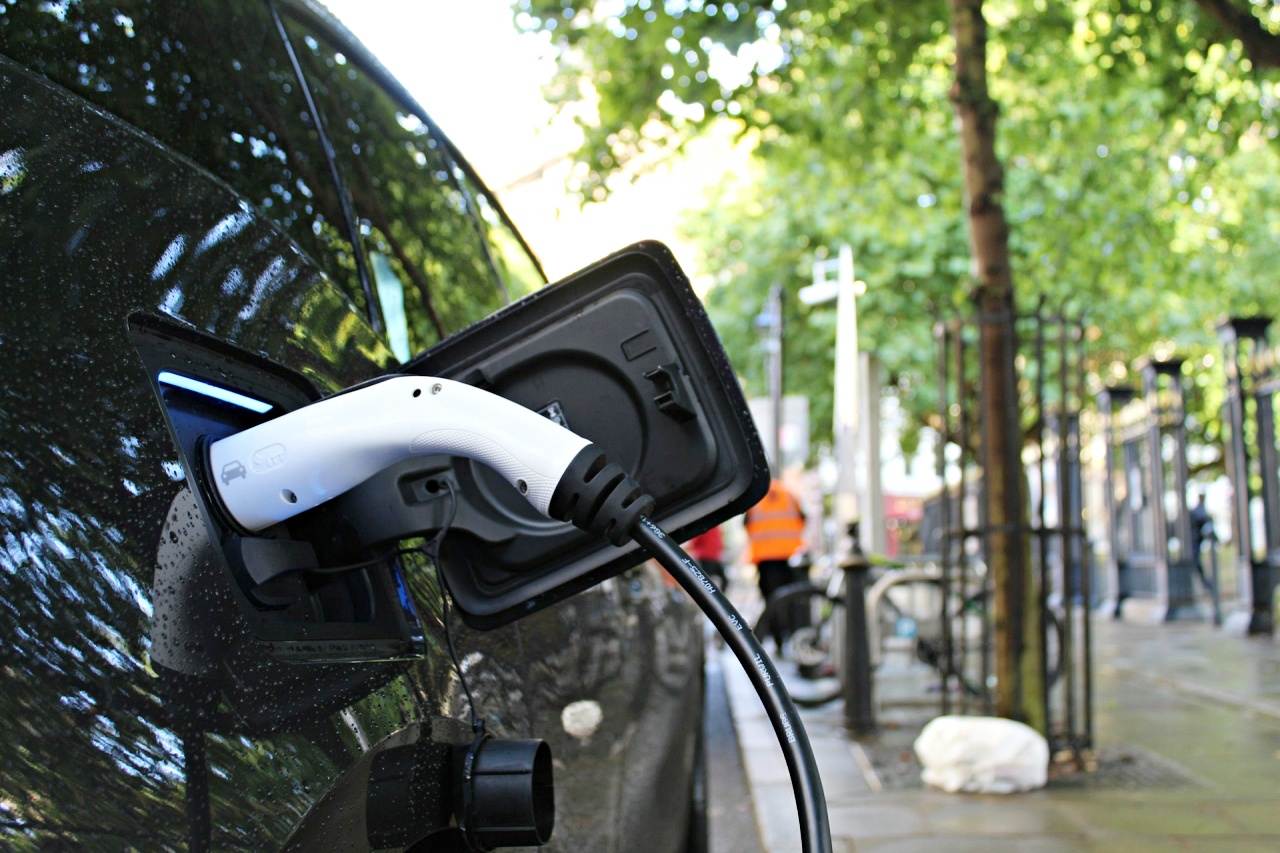
A federal judge on Friday ruled that the Trump administration unlawfully suspended congressionally approved funding for the expansion of electric vehicle charging infrastructure, delivering a major legal victory to 20 Democratic-led states that challenged the move. The decision reinforces the authority of Congress over federal spending and underscores the ongoing legal and political battles surrounding U.S. electric vehicle policy.
U.S. District Judge Tana Lin, based in Seattle, found that the U.S. Department of Transportation violated federal law in February when it abruptly paused the electric vehicle charger program. The program was created under the 2021 infrastructure law signed by former President Joe Biden and was designed to accelerate the nationwide rollout of EV charging stations, particularly along highways and in underserved communities.
According to the ruling, the Department of Transportation lacked the legal authority to suspend funding that Congress had already appropriated for the program. Judge Lin emphasized that executive agencies cannot unilaterally override congressional mandates, especially when the law clearly outlines how funds are to be distributed and used. The court noted that the sudden funding freeze created uncertainty for states that had already begun planning and investing in EV infrastructure projects.
The lawsuit was filed by a coalition of 20 states after the Trump administration moved to halt the program as part of a broader effort to roll back climate and clean energy initiatives. The states argued that the suspension would delay critical infrastructure projects, undermine climate goals, and harm economic development tied to clean energy investments. Judge Lin agreed that the states would suffer irreparable harm if the funding suspension were allowed to continue.
Electric vehicle charging infrastructure is widely seen as essential to increasing EV adoption, reducing greenhouse gas emissions, and supporting the transition to cleaner transportation. The ruling is expected to allow funding to resume, enabling states to move forward with stalled projects and long-term planning.
The decision marks a significant moment in the broader debate over federal climate policy, executive power, and the future of electric vehicles in the United States, and it may influence similar legal challenges related to infrastructure and environmental programs.







