


 Australia Plans Higher Fines for Social Media Firms Failing to Block Underage Users
  Mexico, U.S. Launch Sterile Fly Facility to Combat New World Screwworm Outbreak
  Serbia President Aleksandar Vucic to Resign, Calls Early Elections After Months of Protests
  Iran Launches Drone Attack on Bahrain After U.S. Strikes, Strait of Hormuz Tensions Escalate
  Javier Milei Cabinet Chief Manuel Adorni Resigns Amid Spending Scandal Investigation
  Trump Threatens 100% Tariffs on Countries Imposing Digital Services Taxes on U.S. Tech Firms
  Trump Signs Memorandum Backing Americans’ Right to Repair Their Own Vehicles
  Trump Questions Housing Bill as He Prioritizes SAVE America Act
  Canada Grants C$7 Million to Greenland Molybdenum Mine to Strengthen Critical Minerals Supply
  Maria Corina Machado’s Return to Venezuela Faces U.S. Hesitation After Deadly Earthquakes
  China Expands Export Controls, Adds 20 Japanese Companies to Restricted List
  Ukraine Strikes Russian Titan-Barrikady Plant With Long-Range FP-5 Flamingo Missile
  US Strikes Iran Again After Strait of Hormuz Tanker Attack Escalates Ceasefire Tensions
  Israeli Airstrike Kills Three in Central Gaza Despite Ceasefire
  US, Iran Agree to Halt Attacks Ahead of Doha Talks on Strait of Hormuz
  Taiwan Coast Guard Officer Finds Strength in Faith as China Increases Pressure in Taiwan Strait
  Sheinbaum Says No One Is Above the Law After Abuse Video of Ex-Pemex Chief Emerges


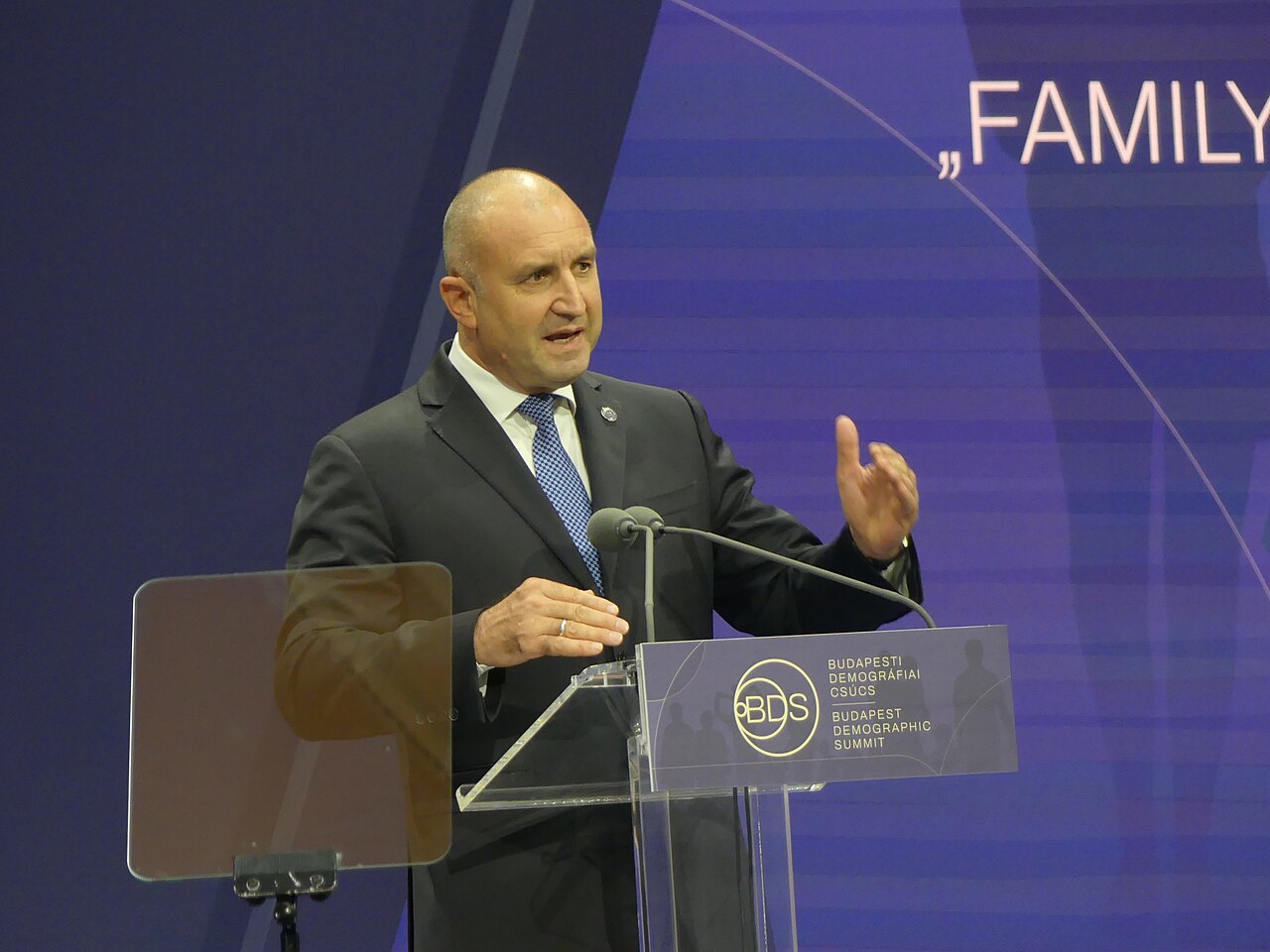
Pro-Russian former President Rumen Radev is on track for a decisive victory in Bulgaria’s 2026 parliamentary election, according to exit polls, marking a potential turning point in the country’s political landscape and foreign policy direction. Data from Sofia-based Alpha Research shows Radev’s Progressive Bulgaria party securing 44% of the vote, far ahead of the long-dominant GERB party led by Boyko Borissov, which trails at 12.5%. If confirmed, this result could deliver one of the strongest single-party performances in decades and possibly end years of fragile coalition governments that have triggered eight elections in just five years.
Radev’s campaign capitalized on widespread public frustration over corruption, political instability, and rising living costs. Voter turnout reached 47%, a notable increase from the previous election, reflecting renewed engagement among citizens eager for change. During a press conference, Radev framed the outcome as a victory for reform and transparency, emphasizing hope and accountability as key themes.
Despite the strong showing, questions remain about how Radev’s eurosceptic stance and pro-Russia views could reshape Bulgaria’s position within the European Union and NATO. He has openly criticized military support for Ukraine and advocated for restoring energy ties with Russia, including oil and gas imports. At the same time, he signaled willingness to cooperate with pro-European parties like the PP-DB coalition, which secured 11.3%, suggesting potential compromises in forming a government.
Bulgaria’s economy has improved since joining the EU in 2007 and adopting the euro in early 2026, with low unemployment and stronger financial safeguards. However, persistent corruption, income inequality, and rising living costs continue to challenge growth. These dynamics could influence investor sentiment, particularly in sectors like energy, infrastructure, and digital transformation.
For investors in 2026, emerging opportunities may lie in Eastern European markets like Bulgaria, especially in renewable energy transitions, fintech innovation, and infrastructure modernization. However, political uncertainty and shifting foreign policy should be carefully monitored when evaluating long-term investment strategies.







