


 Mexico, U.S. Launch Sterile Fly Facility to Combat New World Screwworm Outbreak
  Serbia Protests Continue as Thousands Rally Despite Vucic’s Resignation Plan
  Javier Milei Cabinet Chief Manuel Adorni Resigns Amid Spending Scandal Investigation
  Trump Threatens 100% Tariffs on Countries Imposing Digital Services Taxes on U.S. Tech Firms
  Supreme Court Backs Lisa Cook, Defends Federal Reserve Independence Against Trump Firing Attempt
  Israeli Airstrike Kills Three in Central Gaza Despite Ceasefire
  Russian Attacks Kill Four in Ukraine as Zaporizhzhia and Kharkiv Come Under Fire
  Australia Plans Higher Fines for Social Media Firms Failing to Block Underage Users
  Russia Intensifies Assault on Kostiantynivka as Ukraine’s Donetsk Defense Faces Mounting Pressure
  Trump Questions Housing Bill as He Prioritizes SAVE America Act
  Despite its best efforts, Iran won’t be able to toll the Strait of Hormuz. Here’s why
  Australia, Vanuatu Sign Security Pact Amid Pacific Influence Competition
  Trump Announces September Overhaul of Washington’s East Potomac Golf Links
  Andy Burnham Sets Out Vision to Decentralize Britain as Labour Leadership Race Begins
  Iran Skips U.S. Technical Talks Over Unmet MoU Conditions and Frozen Funds Dispute
  Trump Suspends Some Morocco Fertilizer Tariffs to Ease U.S. Supply Shortage
  Maria Corina Machado Vows Return to Venezuela After Earthquakes Despite Obstacles


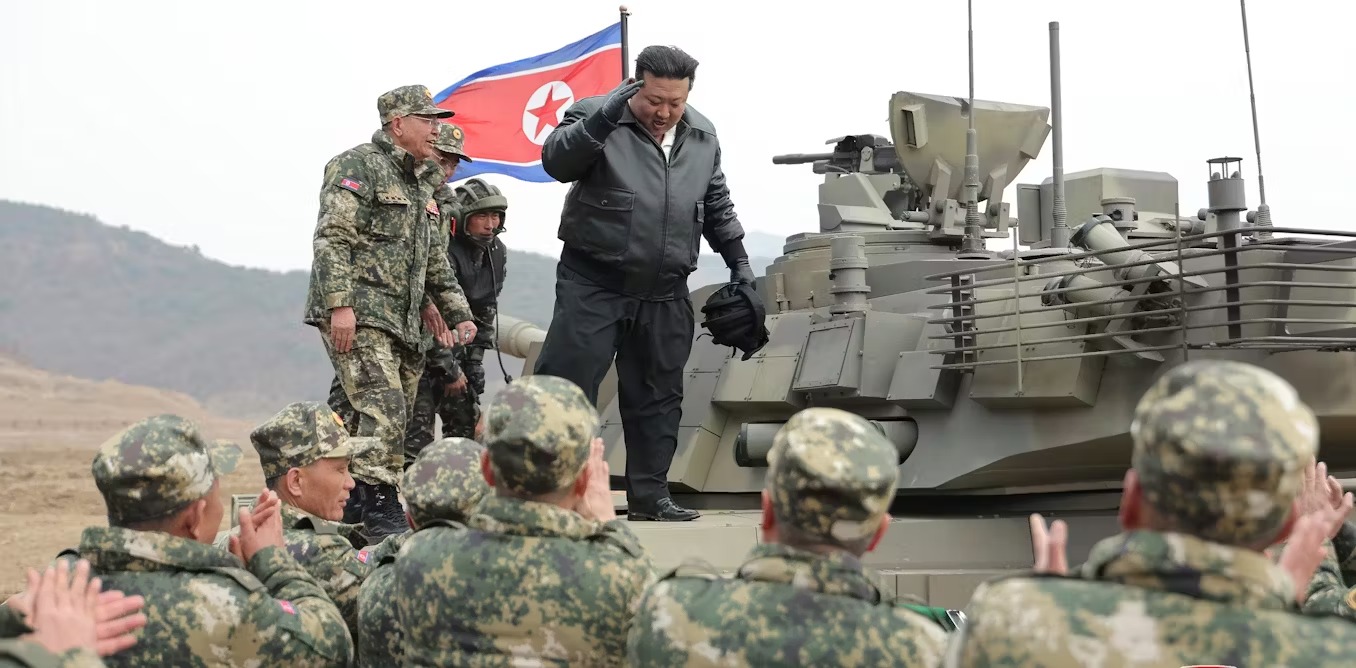
South Korea's Yonhap news agency reported on Saturday that North Korea launched an unidentified ballistic missile in an easterly direction. Military officials in Seoul are still analyzing the missile's type and flight trajectory, but the launch represents yet another step in Pyongyang's accelerating weapons modernization program.
This latest test comes just days after North Korea fired a series of short-range ballistic missiles toward its eastern coastal waters on April 8. Leader Kim Jong Un has repeatedly justified these provocations as necessary defensive measures against what his regime labels as continued American aggression toward the Korean Peninsula.
Security analysts draw a direct line between Pyongyang's escalating behavior and the current state of global geopolitics. With the United States diverting significant military attention and resources toward the Middle East — particularly in response to the ongoing U.S.-Israeli conflict with Iran — North Korea appears to be strategically exploiting reduced international oversight. The mounting crisis surrounding the Strait of Hormuz, a critical global energy chokepoint, has further divided Washington's focus, creating what Pyongyang seemingly views as an opportune window to advance its strategic objectives.
This pattern of calculated provocation highlights a broader and increasingly concerning trend: adversarial nations are growing bolder as multi-front geopolitical instability stretches the attention and resources of major world powers. North Korea's willingness to accelerate missile testing during periods of global distraction signals a deliberate long-term strategy rather than isolated incidents.
For international markets already struggling with supply chain disruptions and volatile energy prices, North Korea's continued provocations add another layer of uncertainty. Investors and policymakers alike must now factor in the growing risk that regional flashpoints could intensify simultaneously, compounding economic pressures on an already fragile global outlook. Staying informed on these developments is increasingly essential for navigating today's geopolitical risk environment.







