


 China Expands Export Controls, Adds 20 Japanese Companies to Restricted List
  Russian Attacks on Dnipro, Zaporizhzhia, and Kharkiv Kill 10 as Ukraine Vows Response
  Maria Corina Machado Vows Return to Venezuela After Earthquakes Despite Obstacles
  Serbia President Aleksandar Vucic to Resign, Calls Early Elections After Months of Protests
  Supreme Court Backs Lisa Cook, Defends Federal Reserve Independence Against Trump Firing Attempt
  Iran Launches Drone Attack on Bahrain After U.S. Strikes, Strait of Hormuz Tensions Escalate
  Russian Attacks Kill Four in Ukraine as Zaporizhzhia and Kharkiv Come Under Fire
  Taiwan Coast Guard Officer Finds Strength in Faith as China Increases Pressure in Taiwan Strait
  Andy Burnham Sets Out Vision to Decentralize Britain as Labour Leadership Race Begins
  Trump Threatens 100% Tariffs on Countries Imposing Digital Services Taxes on U.S. Tech Firms
  US Strikes Iran Again After Strait of Hormuz Tanker Attack Escalates Ceasefire Tensions
  Israeli Airstrike Kills Three in Central Gaza Despite Ceasefire
  Mexico, U.S. Launch Sterile Fly Facility to Combat New World Screwworm Outbreak
  Australia, Vanuatu Sign Security Pact Amid Pacific Influence Competition
  Despite its best efforts, Iran won’t be able to toll the Strait of Hormuz. Here’s why


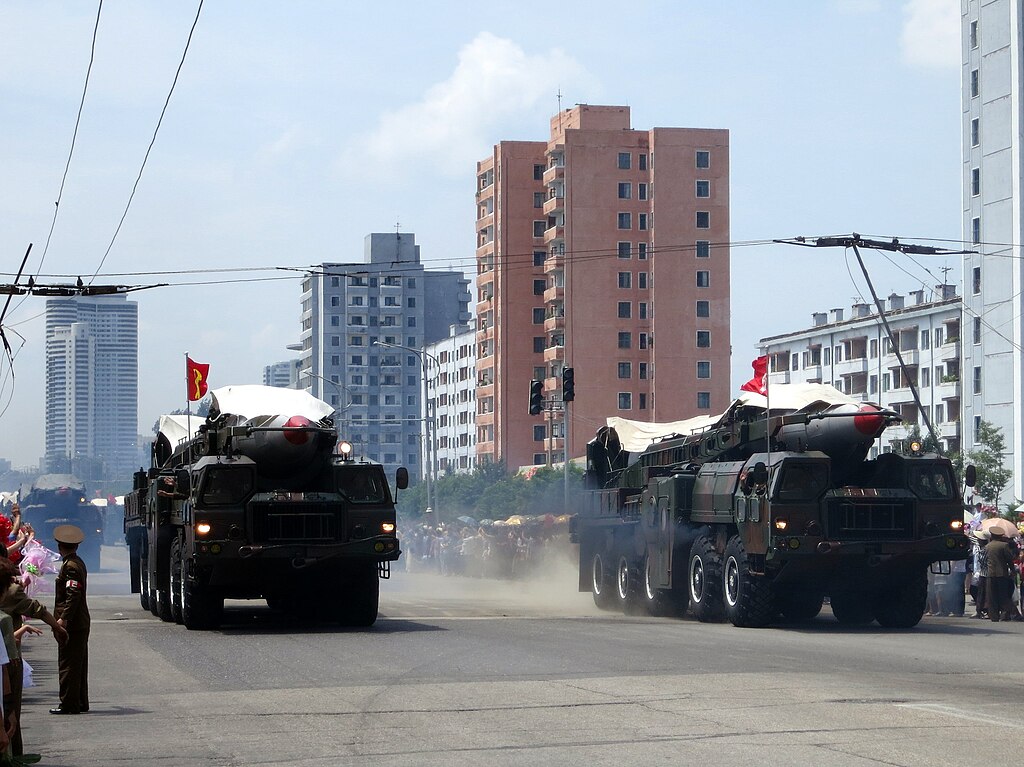
North Korea launched several ballistic missiles toward the sea off its eastern coast on Sunday, according to South Korea and Japan, marking Pyongyang's seventh ballistic missile test this year and its fourth in April alone. The provocative launches signal the regime's intensifying drive to expand its military and nuclear capabilities.
South Korean officials confirmed the missiles were fired near the coastal city of Sinpo at approximately 6:10 a.m. local time. Japan's government reported that the projectiles are believed to have landed near the Korean Peninsula's east coast, with no confirmed breach of Japan's exclusive economic zone. In response, South Korea's presidential office convened an emergency security meeting to assess the threat.
Analysts suggest North Korea may be exploiting current geopolitical distractions to accelerate its weapons program. Lim Eul-chul, a professor at Kyungnam University, noted that with U.S. attention focused on Iran, Pyongyang views this as a strategic opportunity to strengthen its nuclear and missile arsenal. The launches violate United Nations Security Council resolutions banning the North's ballistic missile activities, though Pyongyang continues to reject these restrictions, asserting its sovereign right to self-defense.
The missile tests come ahead of an anticipated mid-May summit between U.S. President Donald Trump and Chinese President Xi Jinping, where North Korea's denuclearization is expected to be a key discussion point. International Atomic Energy Agency Director General Rafael Grossi recently warned that North Korea has made significant advancements in nuclear weapons production, including the likely development of a new uranium enrichment facility.
North Korean leader Kim Jong Un has repeatedly declared the country's nuclear status irreversible, framing its expanding deterrent as essential to national security. As tensions on the Korean Peninsula continue to rise, the international community faces growing pressure to address Pyongyang's escalating provocations through coordinated diplomatic and strategic action.







