


 Asian Stocks Mixed as OpenAI Revenue Concerns Hit Chipmakers
  Wall Street Ends Mixed as Investors Await CPI and Bank Earnings
  European Stocks Rise as Oil Prices Fall Ahead of US CPI
  Gold Prices Rise as Dollar Weakens, Treasury Yields Fall
  Iran Refuses to Halt Uranium Enrichment Amid US Nuclear Demands
  Oil Prices Fall as Trump Ceasefire Claim Shifts Market Focus to U.S. CPI
  Asian Currencies Steady as Dollar Eyes Fourth Weekly Gain
  Trump Calls for Zelenskyy Replacement Amid Russian Diesel Deal
  Deutsche Bank CEO Urges Faster German Economic Reforms
  Wall Street Falls as Oil Prices Rise and Tech Stocks Slide
  Bank of America Predicts Yen Rebound as USD/JPY Faces Risks
  US Dollar Rises for Fourth Week as Fed Rate Hike Bets Grow
  Trump Defends Russian Diesel Deal Amid US Sanctions Backlash
  Fed's Hammack Urges Faster Rate Hikes to Fight Inflation
  Trump Secures Russian Diesel Deal as US Fuel Prices Surge


 Add as a preferred source on Google
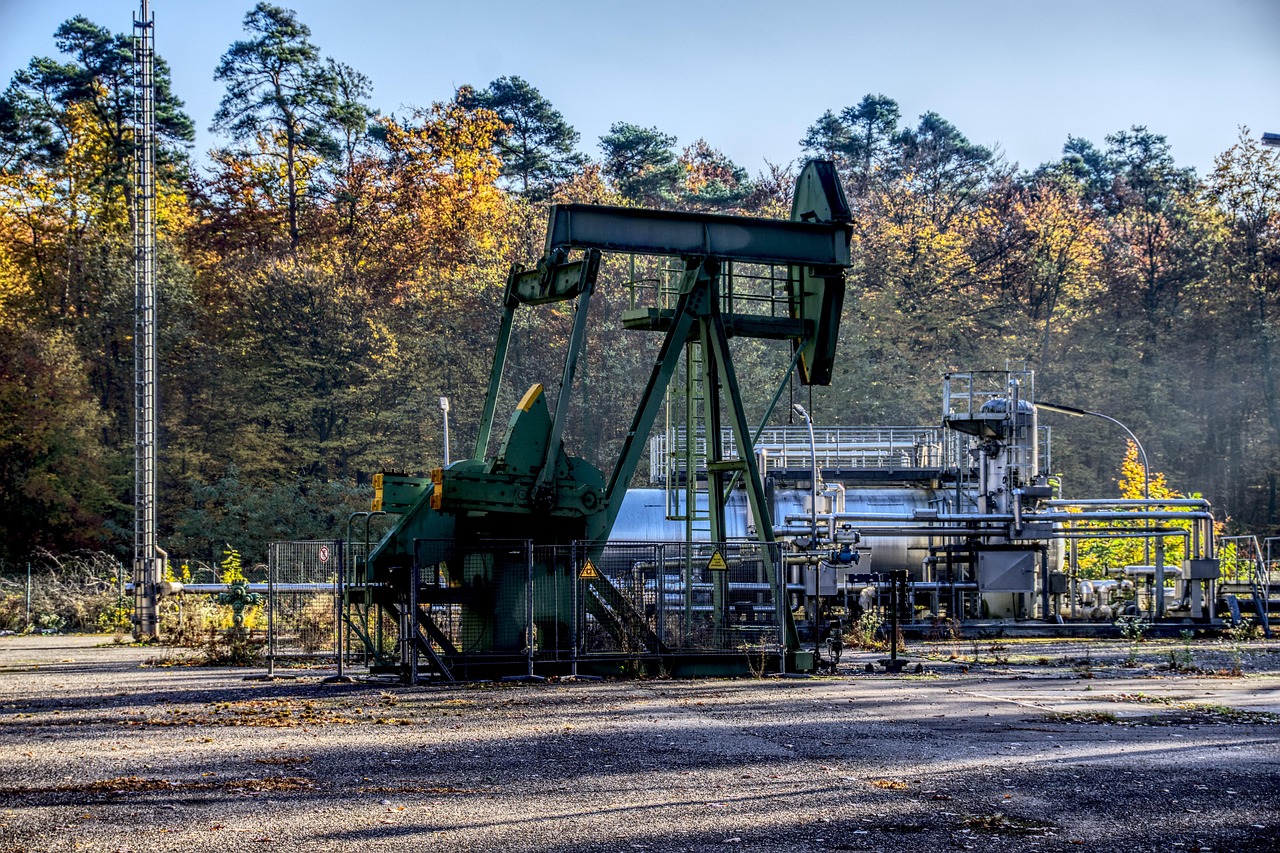
Oil prices climbed on Monday as escalating Middle East tensions pushed Brent crude above $106 per barrel following a deadly Houthi attack on a Saudi Arabian airport. However, gains were limited by U.S. President Donald Trump's announcement of a diesel supply agreement with Russia and a proposed Russia-Ukraine energy ceasefire.
Brent crude futures for December delivery rose 1.2% to $106.02 per barrel by 16:41 ET (20:41 GMT). Meanwhile, U.S. West Texas Intermediate (WTI) crude futures for November increased 1.5% to $93.18 per barrel.
Concerns over global oil supply disruptions intensified after Iran-backed Houthi militants launched attacks against Saudi Arabian aviation and energy infrastructure over the weekend.
The Houthis claimed responsibility for targeting King Khalid International Airport in Riyadh on Saturday. According to the U.S. Embassy, the strike killed 13 people, including one American citizen.
The militant group also reported attacking a Saudi Aramco gas facility in the kingdom's eastern region, raising fears of further disruptions to energy production and transportation.
Regional hostilities have intensified since Saudi-backed Yemeni government forces launched an offensive to reclaim territory controlled by the Houthis near the strategically important Bab el-Mandeb Strait.
Trump warned Saturday that Washington could join Saudi Arabia in conducting airstrikes against the Houthis, adding uncertainty to an already volatile oil market.
Meanwhile, diplomatic efforts to resolve the U.S.-Iran conflict remain stalled. Iranian officials reportedly rejected Washington's latest response to Tehran's peace proposal as insufficient, prolonging concerns over the Strait of Hormuz.
Despite these geopolitical risks, expectations of additional Russian diesel supplies helped restrain crude oil gains.
Trump announced Friday that Russia would release more than 300,000 tons of diesel into U.S. and international markets, followed by another 500,000 tons in November and 1 million tons shortly afterward.
The president also declared an immediate energy ceasefire between Russia and Ukraine. However, Ukrainian President Volodymyr Zelenskyy accused Moscow of violating the arrangement.
The diesel agreement has drawn bipartisan criticism from U.S. lawmakers concerned about temporarily easing sanctions on Russian fuel exports.
On Sunday, senators from both parties urged Trump to abandon the arrangement, warning it could violate legislation enacted in 2022 to support Ukraine.
Oil markets remain sensitive to Middle East supply threats, geopolitical developments, and uncertainty surrounding Russian energy exports.







