


 US Grants Aurora Five-Year Exemption for Self-Driving Trucks
  US Treasury Drops Crypto Wallet Tracking Plan
  US Supreme Court Revives Trump Administration Voter Citizenship Database
  DaVoice Sues Perplexity AI Over Trade Secrets
  France to Release 10 Million Barrels of Diesel to Ease Fuel Prices
  Ripple Chairman Chris Larsen Donates $22.5 Million Ahead of US Midterms
  RFK Jr. Launches Nationwide Vaccine Safety Review
  TikTok Reaches $100 Million Alabama Settlement Over Child Safety Claims
  Trump Asks Supreme Court to Restore Third-Country Deportations
  Meta Found Liable in New Mexico Facebook Data Privacy Case
  US Appeals Court Keeps Trump IRS Case Sanctions in Place
  Lincoln University Students Sue Missouri Over Decades of Underfunding
  North Korea Fires Ballistic Missiles as Tensions With South Korea Escalate
  US, EU Push for Action Against Asia’s Excess Factory Capacity
  Judge Blocks Trump Election Conditions on Counterterrorism Grants
  Trump Plans Diesel Tax Relief as Fuel Prices Hit Record Highs
  Colombia Extradites FARC Dissident Leader ‘Spider’ to US


 Add as a preferred source on Google
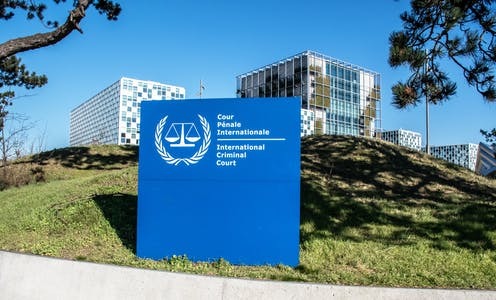
US President Donald Trump’s administration has imposed sweeping sanctions on the International Criminal Court (ICC), escalating tensions with European allies and raising concerns about the future of international justice.
The sanctions, announced Friday, came just hours after former ICC judge Navi Pillay received the Nobel Peace Prize. The court condemned Washington’s decision as an attack on international law and urged its 125 member states to defend its independence.
Unlike previous restrictions targeting individual ICC judges and prosecutors, the latest US sanctions could affect companies providing essential services to the court, including banking, insurance and technology support.
US Secretary of State Marco Rubio defended the measures, declaring that Trump would not permit the ICC to prosecute American citizens. He described the court as a rogue institution and said Washington intended to restrict its financial resources and operations.
The US Treasury introduced a six-month grace period alongside exemptions covering telecommunications, software, pensions and certain detainee-related transactions. Rubio indicated that the restrictions could be adjusted depending on how the ICC and its member states respond to American concerns.
Washington has repeatedly criticized the ICC over arrest warrants targeting Israeli Prime Minister Benjamin Netanyahu and its investigation into alleged misconduct by US military personnel in Afghanistan.
ICC Deputy Prosecutor Nazhat Shameem Khan rejected the sanctions, emphasizing that the court would continue its investigations and prosecutions despite mounting political pressure.
European Union foreign policy chief Kaja Kallas said the grace period created an opportunity for diplomatic discussions while stressing that the EU could take measures to protect the institution. Belgium also urged the bloc to consider activating legislation shielding European organizations from foreign sanctions.
The ICC, established in 2002, investigates genocide, war crimes and crimes against humanity. Its arrest warrants have targeted prominent figures, including Russian President Vladimir Putin and former Sudanese leader Omar al-Bashir.
Meanwhile, the Nobel committee described Pillay’s award as recognition of international courts facing increasing political attacks.
Anticipating broader US restrictions, ICC officials have reportedly begun replacing Microsoft software with open-source alternatives and establishing new banking and insurance arrangements.
The escalating dispute highlights growing divisions between Washington and European governments over international accountability, judicial independence and the enforcement of international law.







