


 Oil Prices Rise as Hormuz Attacks Fuel Supply Fears
  Gold Prices Fall as Stronger Dollar Weighs on Bullion
  Merz Warns of Extremism After AfD Gains Power in Saxony-Anhalt
  UK House Prices Flat in September as Mortgage Rates Weigh
  Crypto Market Selloff Wipes Out $100B as Bitcoin Falls Below $83K
  Mike Rogers Calls for End to US-Canada Tariff War
  Gold Prices Rise as Hormuz Tensions Fuel Inflation Risks
  US, EU Push for Action Against Asia’s Excess Factory Capacity
  Oil Prices Rise as Hormuz Risks Offset IEA Stock Release
  Berlin Coalition Talks Advance After Left Party Antisemitism Deal
  Dollar Near 18-Month High as Euro, Yen and Pound Weaken
  US Dollar Hits 18-Month High as Fed Signals More Rate Hikes
  US-Taiwan Ties Remain Strong as Taipei Urges Timely Arms Deliveries
  Trump Buys Up to $25M in Meta Stock, Invests in SpaceX Debt
  Trump Backs Florida Golf Course as Presidential Retreat
  Gold Prices Fall as Fed Signals Another Rate Hike
  Trump Weighs FBI Probe Into Nolan Wells’ Death


 Add as a preferred source on Google
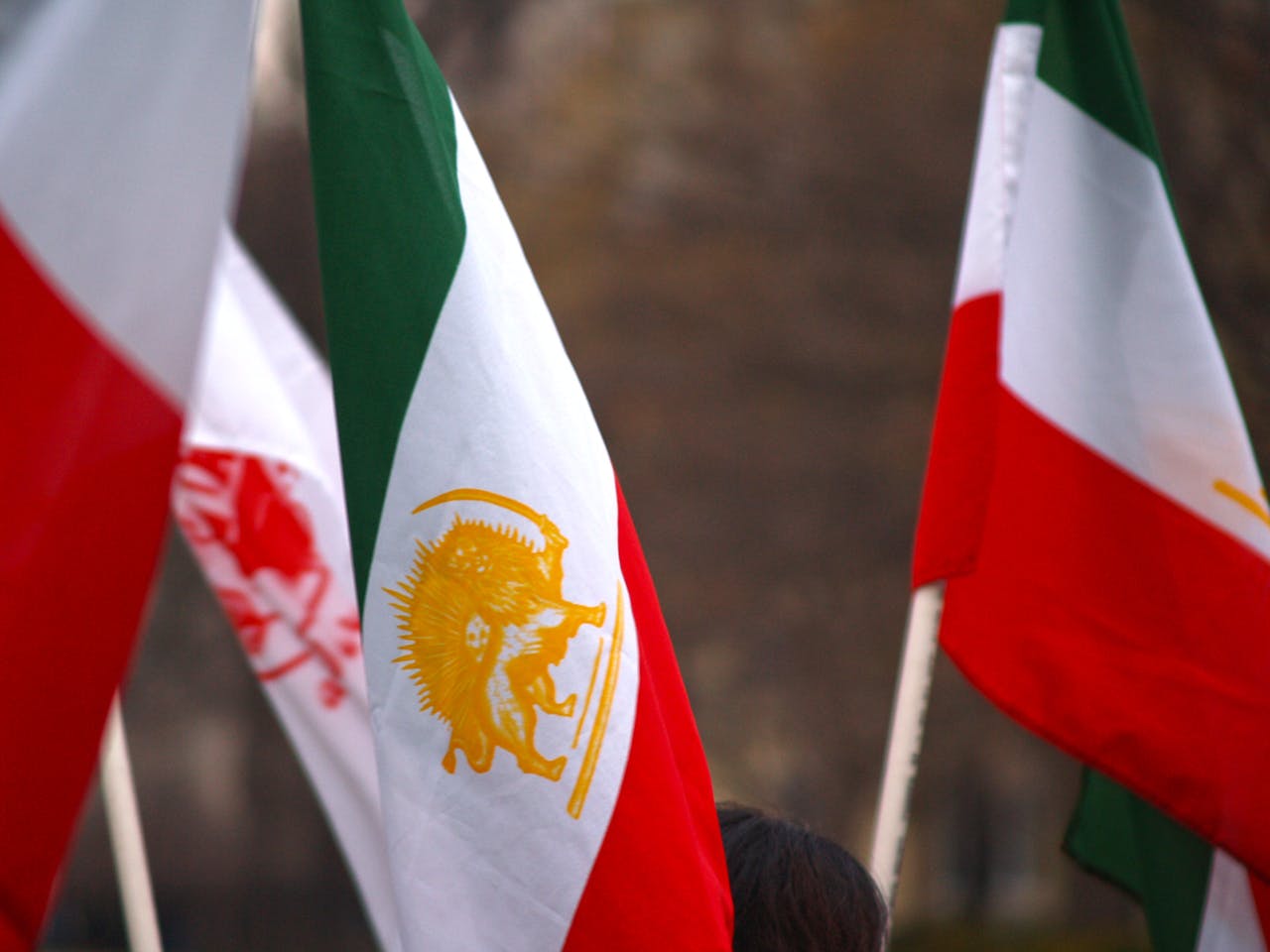
Iran has reaffirmed its refusal to suspend uranium enrichment or surrender its uranium stockpile, escalating tensions with the United States as diplomatic efforts continue to end the ongoing conflict and reopen the Strait of Hormuz.
Mohammad Eslami, head of Iran's Atomic Energy Organization, said Thursday that Tehran would maintain its nuclear enrichment activities despite mounting pressure from Washington. His remarks followed US demands for Iran to significantly reduce its uranium enrichment capabilities as part of negotiations aimed at resolving the conflict.
Eslami dismissed renewed American threats against Iranian nuclear facilities, describing them as nothing new. He emphasized that uranium enrichment remains essential to the country's nuclear industry and technological development.
According to Eslami, abandoning enrichment would undermine Iran's ability to maintain an independent nuclear program, which Tehran considers a critical driver of scientific and technological progress.
The latest statements come as Iran and the United States exchange diplomatic proposals intended to bring an end to the war and restore maritime traffic through the Strait of Hormuz, a crucial shipping corridor for global oil supplies.
Iranian Foreign Minister Abbas Araqchi said Thursday that Tehran could respond within days to Washington's latest reply to an Iranian peace proposal. The plan reportedly includes reopening the Strait of Hormuz within seven days, provided certain conditions are satisfied.
Meanwhile, US President Donald Trump said discussions with Iran were progressing productively. He also indicated that Washington would not conduct military strikes against Iran before the November US midterm congressional elections.
Iran's nuclear activities remain a central obstacle in negotiations. The United States, Israel and other Western governments have accused Tehran of pursuing nuclear weapons, citing uranium enrichment levels reaching 60% purity.
That concentration substantially exceeds the requirements of most civilian nuclear applications and approaches the approximately 90% enrichment level associated with weapons-grade uranium.
Iran has repeatedly rejected allegations that its nuclear program has military objectives, maintaining that its activities serve peaceful purposes.
Despite refusing to abandon uranium enrichment entirely, Iranian officials have previously indicated a willingness to dilute the country's most highly enriched uranium stockpile.
The disagreement highlights the challenges facing US-Iran negotiations, with nuclear restrictions, regional security and the reopening of the Strait of Hormuz remaining central to any potential agreement.







