


 Gold Prices Hit One-Week High as Oil Falls, Fed Rate Outlook Weighed
  Trump Sanctions International Criminal Court, Sparking EU Backlash
  Wall Street Ends Mixed as Investors Await CPI and Bank Earnings
  US Stock Futures Rise as Oil Prices Fall Ahead of Q3 Earnings
  Trump Calls for Zelenskyy Replacement Amid Russian Diesel Deal
  Oil Prices Trim Gains After Trump Rules Out Iran Strikes Before Midterms
  US Judge Blocks Trump Administration’s Taxpayer-Funded Political Ads
  European Stocks Rise as Oil Prices Fall Ahead of US CPI
  Greenland Lawmakers Back Trump Security Deal Despite Economic Concerns
  Yandex Data Center Hit by Drone Strike as Russia-Ukraine Cyber Infrastructure Attacks Escalate
  Oil Prices Surge Above $106 After Deadly Saudi Airport Attack
  Iran Refuses to Halt Uranium Enrichment Amid US Nuclear Demands
  India Voter List Protests Reach Supreme Court as Opposition Demands Election Chief's Resignation
  Trump Plans White House Shake-Up of Key AI Safety Agency
  Gold Prices Rise Above $4,200 as Russia-Ukraine Energy Truce Eases Oil Concerns
  Zelenskiy Offers Russia Energy Truce Amid Trump Pressure
  Asian Stocks Mixed as OpenAI Revenue Concerns Hit Chipmakers


 Add as a preferred source on Google
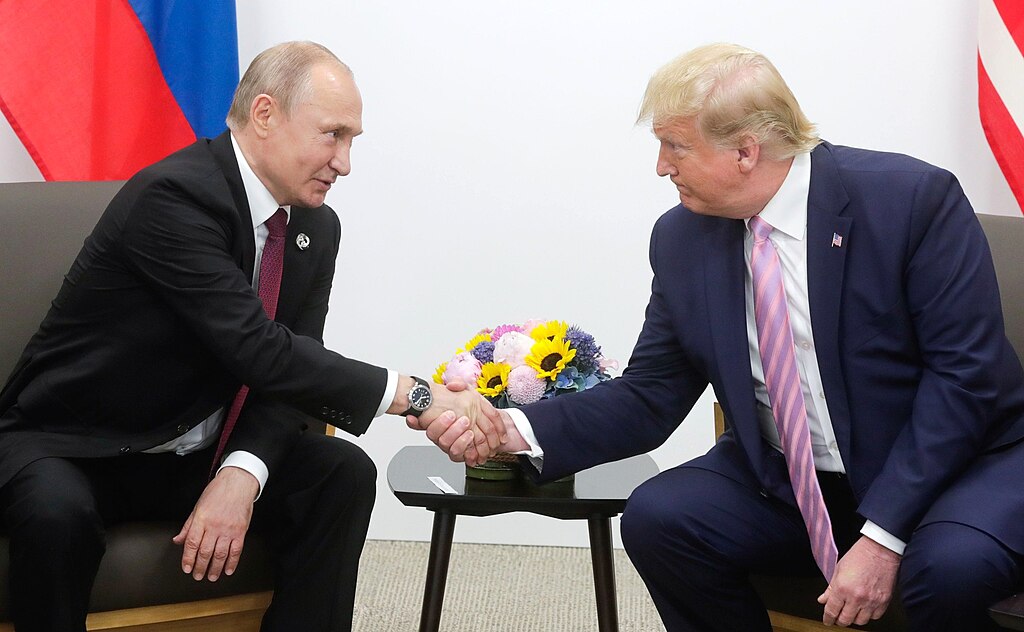
US President Donald Trump defended his controversial diesel agreement with Russia on Monday, despite growing bipartisan criticism from lawmakers who warn that the arrangement could violate US sanctions and restrictions on Russian energy imports.
Trump argued that the agreement is necessary to reduce soaring fuel prices ahead of the November 3 midterm elections, when Republicans face mounting pressure over rising energy costs.
Diesel and other fuel prices have climbed since the United States launched military operations against Iran seven months ago. However, Trump has attributed much of the recent increase to Ukrainian drone strikes targeting Russian oil refineries and energy infrastructure.
"I made the right choice for the American People — ALWAYS, AMERICA FIRST! President DONALD J. TRUMP," he wrote on social media, reaffirming his support for the decision.
The controversy follows Trump's announcement on Friday that Russia had agreed to increase diesel supplies to global markets. As part of the arrangement, his administration temporarily lifted US sanctions on Russian fuel, reversing restrictions intended to limit Moscow's revenue from its ongoing war against Ukraine.
The decision has raised legal and political concerns in Washington, with lawmakers questioning whether the agreement conflicts with a 2022 law restricting Russian energy imports until Moscow ends its military aggression against Ukraine.
Tensions also intensified over the weekend following disagreements between Trump and Ukrainian President Volodymyr Zelenskiy regarding Ukraine's attacks on Russian oil facilities.
Trump criticized Zelenskiy's leadership and suggested Ukraine needed a new president. Zelenskiy responded that he would consider holding elections if Russia agreed to a 60-day ceasefire.
Meanwhile, a bipartisan group of US senators called on Trump to abandon the Russian diesel arrangement, warning that easing sanctions could weaken Washington's negotiating position and undermine international efforts to pressure Moscow.
Republican Senator Jerry Moran strongly opposed the decision, arguing that Washington should increase economic pressure on Russia rather than ease existing restrictions.
"We should be tightening sanctions further, not undercutting them by allowing the import of Russian diesel and risking erasing our leverage, damaging our credibility with allies, and emboldening our adversaries," Moran wrote.
The dispute highlights Trump's challenge of balancing domestic fuel affordability with US foreign policy commitments, as energy prices and the Russia-Ukraine war become increasingly important issues ahead of the midterm elections.







