


 Apple Supplier Luxshare Sees Limited Impact From US Patent Probe
  XRP Holds Steady at $1.39 as Crypto Market Faces Heavy Liquidations
  Anthropic Launches Claude Dashboards and Motion AI Tools
  Bitcoin ETFs Lose $681 Million, Ending Three-Week Inflow Streak
  Starbucks Explores Chipotle Acquisition as Shares Swing
  Oil Prices Rise as Hormuz Risks Offset IEA Stock Release
  Polkadot Launches dotUSD Stablecoin as DOT Price Falls
  Ledger Investigates Alleged $86 Million Crypto Wallet Theft
  Crypto Liquidation Flush: BTC & ETH at a Glance
  Gold Prices Fall as Fed Signals Another Rate Hike
  Evernorth Nasdaq Listing Nears as XRP Price Falls
  Elon Musk Eyes Semiconductor Manufacturing Expansion With $15 Billion Terrafab Project
  Dogecoin Price Rises as Bitwise Plans DOGE ETF Closure
  XRP Ledger Activates New Security Feature for Banks and Stablecoins
  Blockchain.com Seeks CFTC Approval for Prediction Markets and Crypto Derivatives
  Asian Currencies Steady as Dollar Eyes Fourth Weekly Gain
  Zcash Plans Quantum-Resistant Security Upgrade for January


 Add as a preferred source on Google
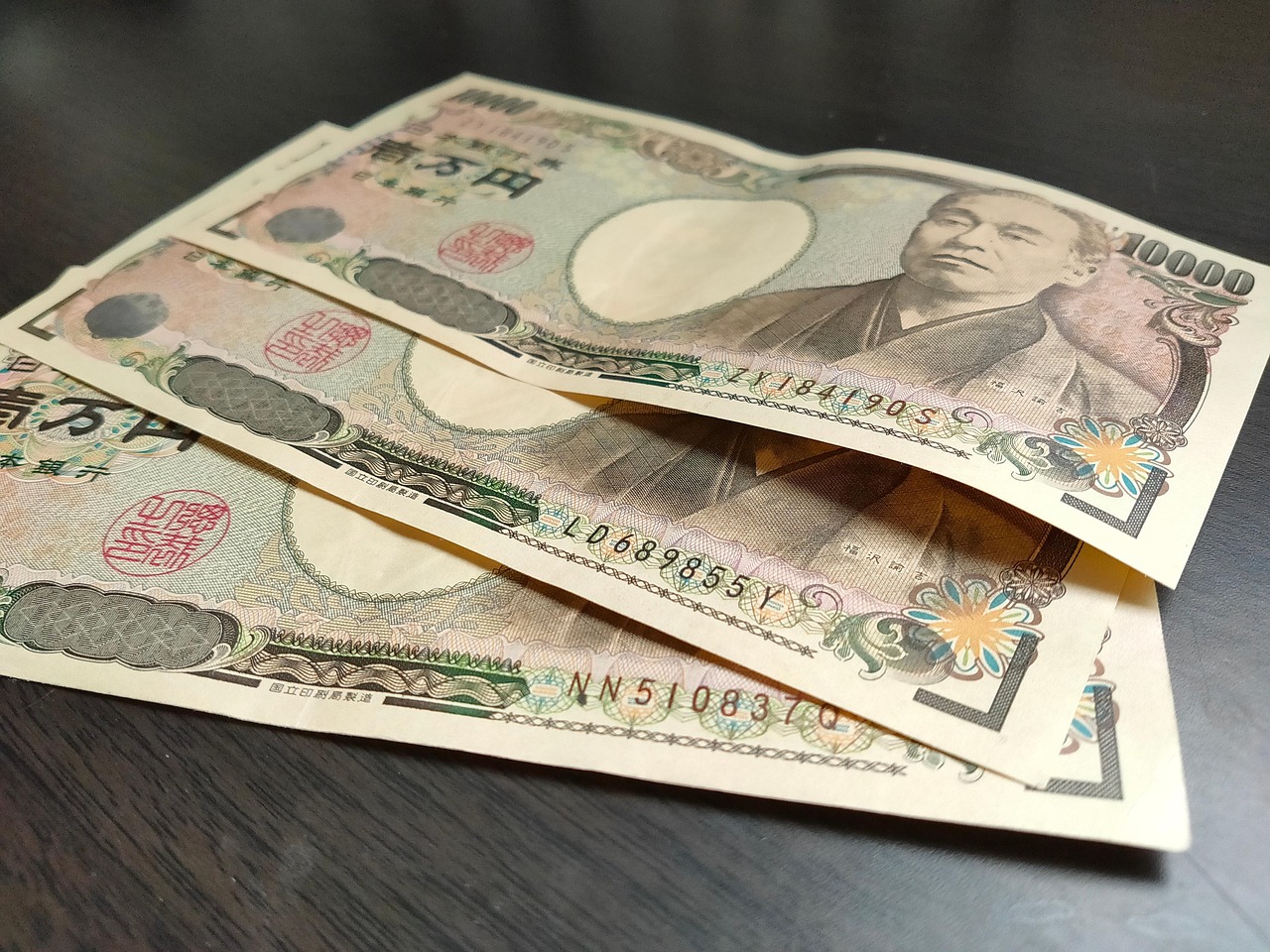
The Japanese yen’s prolonged depreciation has been driven entirely by offshore trading activity since 2025, according to Bank of America (BofA), highlighting a significant shift in global foreign exchange market dynamics.
In an October 8 research report, BofA analysts Shusuke Yamada and Izumi Devalier revealed that the yen’s decline between the second quarter of 2025 and the second quarter of 2026 occurred exclusively during London and New York trading sessions.
The trend contrasts sharply with the period from 2021 through mid-2024, when the Japanese currency weakened during both domestic and international trading hours.
Bank of America attributed the yen’s relative stability during Tokyo sessions to improvements in Japan’s balance of payments. Meanwhile, offshore selling pressure was largely associated with the artificial intelligence-driven stock market rally and expectations of gradual interest rate increases by the Bank of Japan (BoJ).
Strong gains in Japanese equities encouraged foreign investors to increase currency hedging, creating additional demand to sell yen. At the same time, the BoJ’s cautious monetary tightening reinforced the currency’s appeal for carry trades.
However, these factors have recently weakened following coordinated currency intervention by Japanese and US authorities in July and growing expectations of more aggressive BoJ interest rate hikes.
Investor sentiment has also improved significantly. According to BofA, approximately 60% of surveyed investors held bearish views on the yen in August, citing concerns that the BoJ was tightening monetary policy too slowly. That figure declined to 30% in September.
Looking ahead, Bank of America forecasts three consecutive 25-basis-point rate increases in December 2026, March 2027 and July 2027, bringing Japan’s benchmark interest rate to 2%.
The bank maintained its recommendation to short USD/JPY, suggesting that the Japanese yen could strengthen against the US dollar despite persistent dollar resilience.
Strategists also warned that Japanese authorities could consider another currency intervention if USD/JPY climbs above the psychologically important 160 level. The currency pair recently closed at 158.33.
Additionally, a potential correction in AI-related stocks could accelerate yen appreciation by triggering the reversal of currency hedges and reducing global risk appetite.
Such developments could narrow US-Japan interest rate differentials, potentially strengthening the yen even if the Bank of Japan adopts a slower tightening approach.







